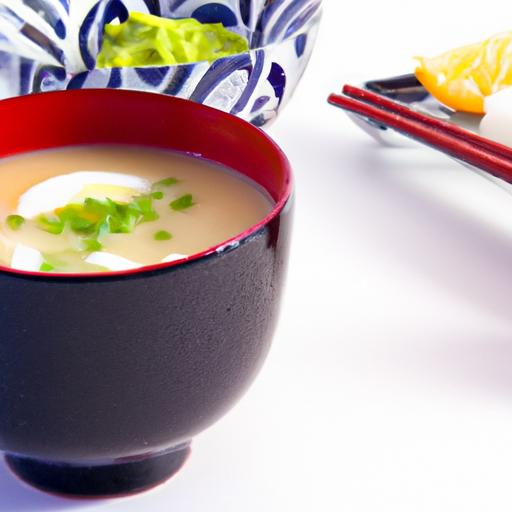




Step into the warm, comforting world of miso soup-a timeless Japanese classic that’s as simple to make as it is nourishing to savor. Beneath its humble appearance lies a rich tapestry of history, flavor, and health benefits, blending fermented miso paste with umami-packed ingredients to create a bowl that’s both soul-soothing and effortlessly delightful. Whether you’re a seasoned foodie or a curious beginner, unlocking the secrets of easy miso soup opens the door to authentic Japanese cuisine that can enrich your daily meals with tradition and taste. Let’s embark on a flavorful journey to discover just how simple and rewarding crafting this iconic soup can be.
Discover the secrets of easy miso soup: a simple yet deeply comforting Japanese classic that brings the umami-rich magic of customary miso paste into your kitchen. This beloved soup has been a staple in Japanese homes for centuries, celebrated for its soothing warmth and complex, fermented flavors.Whether you’re a seasoned cook or a curious foodie, unlocking the authentic flavors of miso paste is your gateway to an unforgettable broth – delicate, savory, and endlessly customizable. From the first sip, you’ll understand why miso soup is more than just a starter; it’s a soulful experience.
Prep and Cook Time
- Readiness: 10 minutes
- Cooking: 15 minutes
- Total: 25 minutes
Yield
Serves 4 generously
Difficulty Level
Easy – perfect for beginners and quick weekday dinners
Essential Ingredients to Elevate Your Miso Soup Experience
- 4 cups dashi stock (homemade or instant granules rehydrated)
- 3 tablespoons traditional yellow or red miso paste (preferably from Japan for authenticity)
- 100 grams silken tofu, cubed
- 2 tablespoons wakame seaweed, dried
- 2 green onions, finely sliced
- 1 teaspoon soy sauce (optional, for depth)
- Freshly grated ginger (optional, for a gentle zing)
Step by Step Guide to Crafting the Perfect miso Broth
- Prepare the dashi stock. use 4 cups of dashi as the flavor foundation – either by simmering kombu and bonito flakes or dissolving instant granules in hot water for a speedy option.
- Rehydrate the wakame seaweed. Place the dried wakame in a small bowl of warm water for 5 minutes,then drain and chop roughly.
- Heat the broth gently. Pour the dashi into a saucepan and warm it over medium heat,but avoid boiling to preserve the delicate miso flavors.
- Dissolve the miso paste. Place the miso in a small bowl, add a ladle of warm dashi, and whisk until smooth – this step ensures even blending without clumps.
- Combine miso and broth. Slowly add the dissolved miso back into the pot, stirring gently. heat for 2-3 minutes without boiling to keep the probiotics alive.
- Add tofu and wakame. Gently fold in the cubed tofu and rehydrated wakame, allowing them to warm through.
- Season to taste. Add a splash of soy sauce if desired,and for an aromatic touch,stir in a tiny amount of freshly grated ginger.
- Finish with green onions. Sprinkle sliced green onions just before serving to retain their fresh crunch and vibrant color.
Expert Tips and Variations to Personalize Your Miso Creation
- Choose Your Miso Wisely: Red miso lends a deep, robust flavor, while yellow or white miso offers a milder, sweeter profile. Experiment to find your favorite.
- Add seasonal Vegetables: Thinly sliced mushrooms,spinach,or daikon radish add texture and brighten the broth.
- Boost Umami with Toppings: Toasted sesame seeds, mitsuba leaves, or a drop of chili oil provide exciting contrasts.
- Skip the Boil: Always warm your miso soup gently; boiling kills the beneficial live cultures and alters the taste.
- Make Ahead & Store: Prepare the broth and keep it refrigerated for up to 3 days; add tofu and green onions fresh before serving.
- Vegetarian/Vegan Amiable: Use kombu and shiitake-based dashi for a full umami depth without fish.
Serving Suggestions
Serve your bowl of miso soup steaming hot, ideally in a traditional lacquerware bowl for an authentic touch. Garnish with a few delicate pieces of wakame, a scatter of green onions, and a pinch of toasted sesame seeds for visual appeal and nutty aroma.Pair with steamed jasmine rice or a side of lightly pickled vegetables to balance the meal. For a fusion twist,try topping with crispy nori strips or a soft-boiled egg to enrich the experience.

Nutritional Details (per serving)
| Calories | Protein | Carbohydrates | Fat |
|---|---|---|---|
| 70 kcal | 6 g | 5 g | 2 g |
Looking to expand your Japanese culinary repertoire? Check out our detailed guide on how to make sushi at home for an adventurous pairing. For additional insights into the history and nutritional benefits of miso, explore the Encyclopedia Britannica’s expert article on miso.
Q&A
Q&A: Discover the Secrets of Easy Miso Soup – A Japanese Classic
Q1: What makes miso soup a timeless staple in Japanese cuisine?
A1: Miso soup has been a comforting cornerstone of Japanese meals for centuries, known for its simplicity, warmth, and umami-rich flavor. its roots trace back over a thousand years, blending fermented soybean paste with dashi broth to create a dish that’s both nourishing and soul-soothing.It embodies the perfect harmony between tradition and everyday practicality.
Q2: What are the essential ingredients for an authentic miso soup?
A2: At its core, authentic miso soup requires just three key elements: dashi (a delicate broth usually made from kombu seaweed and bonito flakes), miso paste (fermented soybean paste, ranging from sweet white to robust red varieties), and tofu or seaweed for texture. Optional add-ins like green onions, wakame, or mushrooms can elevate the experience without complicating the process.
Q3: How can beginners make miso soup easily without sacrificing flavor?
A3: The secret lies in quality ingredients and gentle technique. Start by simmering dashi gently-avoid boiling to preserve its delicate flavor. When adding miso paste, dissolve it in a small amount of warm dashi before mixing it back into the pot to prevent clumps. Keep it simple; a few fresh toppings can add color and texture while maintaining the soup’s elegant subtlety.
Q4: can miso soup be customized for different tastes or dietary needs?
A4: Absolutely! Miso soup is wonderfully versatile. Vegans can skip bonito flakes and rely on kombu or shiitake mushrooms for umami. For a heartier bowl, add seasonal vegetables or grains like barley. Adjust the miso type and quantity to balance intensity and saltiness. Its adaptability makes it a perfect canvas for culinary creativity.
Q5: Why is miso soup considered healthy, and how does it benefit the body?
A5: Packed with probiotics from fermentation, miso supports gut health and digestion. The broth hydrates and nourishes with minerals from seaweed, while soy-based miso provides plant proteins and antioxidants. Plus, its low calorie count and comforting warmth make it a go-to choice for a light yet satisfying snack or starter.
Q6: How do cultural traditions influence the way miso soup is served and enjoyed?
A6: In Japan, miso soup is more than just food-it’s a ritual of hospitality and daily rhythm, often accompanying breakfast to start the day mindfully. The soup’s presentation, with simple bowls and careful ladling, reflects respect for ingredients and occasion. These customs invite us to savor every sip, blending nourishment with mindfulness.
Q7: What’s the best tip for preserving the delicate flavors when storing and reheating miso soup?
A7: Miso soup is best enjoyed fresh,but if storing leftovers,keep the miso paste separate from the broth if possible. When reheating, warm gently without boiling to prevent bitterness and preserve probiotics. Stir gently, garnish anew, and you’ll recapture much of that fresh, inviting essence.
Unlocking the secrets of easy miso soup reveals not just a recipe, but a cultural treasure that’s accessible to all-inviting you to experience the warmth and wisdom of Japan in every bowl.
To Conclude
As you’ve unraveled the simple beauty behind easy miso soup, it’s clear that this Japanese classic is much more than just a warm bowl of broth. It’s a harmonious blend of tradition,flavor,and nourishment that invites both beginners and seasoned cooks into a ritual of comfort and creativity.Whether you choose to keep it straightforward or sprinkle in your favorite ingredients, miso soup offers an effortless gateway to experiencing the gentle artistry of Japanese cuisine. So next time you crave something soothing yet satisfying, remember: the secret to miso soup’s magic lies in its simplicity-and a dash of your own culinary spirit.