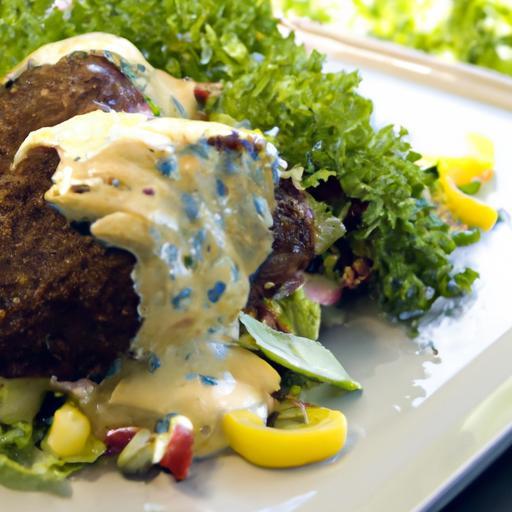
In the evolving world of culinary arts, Advanced Cooking Techniques shape the difference between a simple meal and a memorable dining masterpiece. When chefs and passionate home cooks embrace Advanced Cooking Techniques, they unlock precision, creativity, and refined craftsmanship that elevate even basic ingredients. “Mastering the Art: Exploring Advanced Cooking Techniques” invites you on a journey far beyond traditional methods, showcasing how Advanced Cooking Techniques like sous-vide, molecular gastronomy, and controlled heat reactions transform cooking into a true art form. This exploration emphasizes how Advanced Cooking Techniques refine textures, amplify flavors, and introduce professional-level finesse into everyday kitchens. Whether you’re a beginner or a seasoned cook, diving into Advanced Cooking Techniques empowers you to push boundaries, enhance your skills, and experience food on an entirely new level.
Mastering the Art: Exploring Advanced Cooking Techniques
Mastering the art of Advanced Cooking Techniques reveals a world where technique becomes the soul of culinary expression. As we explore a dish shaped by sous-vide precision, deep fermentation, and the magic of the Maillard reaction, you’ll see how Advanced Cooking Techniques elevate flavor at every step. Today’s journey shows how chefs rely on Advanced Cooking Techniques to turn ordinary ingredients into extraordinary experiences, using innovation, temperature control, and refined plating to create edible works of art. From texture transformation to flavor layering, Advanced Cooking Techniques redefine what cooking means, proving that the more you experiment with Advanced Cooking Techniques, the more your culinary confidence grows. With dedication and curiosity, anyone can harness Advanced Cooking Techniques to create dishes that captivate the senses and honor the highest standards of modern cuisine.
Prep and Cook Time
- Preparation: 20 minutes
- Cook Time: 2 hours 30 minutes (including sous vide)
- Total Time: 2 hours 50 minutes
Yield
Serves 4 elegantly portioned servings
Difficulty Level
Advanced – perfect for passionate home chefs eager to elevate their skillset
Ingredients
- 2 boneless chicken breasts, skin-on for optimal Maillard reaction
- 1 tbsp kosher salt
- 1 tsp freshly ground black pepper
- 2 sprigs fresh thyme
- 2 cloves garlic, smashed
- 1 tbsp olive oil
- 100g kimchi (for fermentation depth, preferably homemade or high-quality store-bought)
- 1 tbsp unsalted butter
- Fresh microgreens for garnish
- Smooth carrot purée:
- 300g carrots, peeled and sliced
- 30g unsalted butter
- Salt to taste
- 1 tsp honey
Instructions
- Prepare the chicken for sous vide: Season the chicken breasts generously on all sides with kosher salt and black pepper. Place each breast in a vacuum bag with the thyme sprigs and smashed garlic cloves. Seal the bag using vacuum sealing to remove all air.
- Sous vide precision cooking: Preheat your water bath to 64°C (147°F). Submerge the vacuum-sealed chicken and cook for 1 hour 30 minutes. This low-and-slow immersion ensures perfectly tender, juicy meat with unmatched texture.
- Prepare carrot purée: While the chicken cooks,steam the sliced carrots until tender,about 15 minutes. Transfer to a blender with butter, honey, and a pinch of salt. Blend until smooth and creamy. Keep warm.
- Maillard reaction sear: Once sous vide is complete,remove the chicken from the bag and pat dry thoroughly with paper towels-the key step to achieving an excellent crust. Heat olive oil in a cast-iron skillet over high heat. Sear the chicken skin side down first for 2-3 minutes until a beautiful golden crust forms.flip and sear the other side briefly for 1 minute to finish.
- fermentation for complexity: Gently warm the kimchi in a small pan to serve as a tangy, umami-rich accompaniment that brightens the dish and adds layers of fermented depth.
- Plating innovations: On a warm plate, smear a generous swoosh of carrot purée creating a vibrant orange base. Slice the chicken breasts crosswise into medallions and arrange with space for visual balance. Artfully place a small mound of warm kimchi beside the chicken. Garnish with fresh microgreens atop the purée and drizzle a touch of rendered chicken fat or butter around for shine and flavor.
Chef’s notes
- For an extra flavor boost, marinate the chicken in a bit of garlic and thyme-infused olive oil for 2 hours before vacuum sealing.
- Use a digital sous vide cooker for precise temperature control; it’s the cornerstone of this recipe’s success.
- Drying the chicken thoroughly before searing cannot be overstated-it’s the secret to that crave-worthy Maillard crust.
- Kimchi can be substituted with other fermented vegetables like sauerkraut or fermented daikon for an equally complex flavor.
- Make the carrot purée ahead and reheat gently to save time on busy cooking days.
- For a vegetarian twist, try this technique with sous vide portobello mushrooms and fermented black garlic.
serving Suggestions
Serve instantly to enjoy the contrast of juicy, tender chicken and crisp sear with radiant, fermented kimchi and silky carrot purée. Add edible flowers or micro herbs for an elegant table presence that hints at the sophisticated palate behind the dish. Invite your guests to savor not only the taste but the artistry of every spoonful.
| Nutrient | amount (per serving) |
|---|---|
| Calories | 350 kcal |
| Protein | 38 g |
| Carbohydrates | 12 g |
| Fat | 14 g |
Discover more sous vide recipes and tips here for expanding your precision cooking skills.
For an authoritative deep dive into fermentation science, see ScienceDirect’s fermentation overview.

Q&A
Q&A: Mastering the Art – Exploring Advanced Cooking Techniques
Q1: What does it mean to “master” advanced cooking techniques?
Mastering advanced cooking techniques is more than just following recipes; it’s about understanding the science behind each method, developing precise control over heat, timing, and texture, and cultivating the intuition to adapt techniques creatively. It transforms cooking from routine to artistry.
Q2: Which advanced cooking techniques shoudl every passionate cook explore?
Some essential techniques include sous-vide cooking for precise temperature control, molecular gastronomy for playful experimentation with textures and flavors, fermentation for depth and complexity, and advanced knife skills for efficiency and presentation. Each opens a doorway to new culinary possibilities.
Q3: How does sous-vide elevate the cooking process?
Sous-vide uses vacuum-sealed bags and water baths at controlled temperatures to cook food evenly and retain moisture and flavor.This technique allows cooks to achieve perfect doneness every time-imagine a steak cooked edge-to-edge medium-rare without any guesswork.
Q4: Molecular gastronomy sounds intimidating-what’s the key to getting started?
start simple. Techniques like spherification (turning liquids into spheres) or using foams can add whimsy to your dishes. Understanding ingredient interactions, such as the role of stabilizers and emulsifiers, is crucial.Begin with basic recipes and build confidence before diving into complex creations.
Q5: What role does fermentation play in advanced cooking?
Fermentation unlocks profound layers of flavor, enhancing umami, acidity, and aroma.By cultivating beneficial microbes, fermenting transforms simple ingredients-like cabbage into kimchi or milk into yogurt-into vibrant, healthful elements that deepen your dishes.
Q6: How crucial are knife skills in mastering advanced cooking?
Knife skills are foundational-they influence cooking time, texture, and presentation. Mastery here means cleaner cuts,safer handling,and artistry on the plate. practicing precision cuts like chiffonade or brunoise can elevate even humble ingredients into gourmet experiences.
Q7: Can mastering these techniques improve home cooking or are they only for professionals?
Absolutely, these techniques enhance any kitchen, from home cooks to Michelin-star chefs. They encourage mindful cooking, reduce wasted ingredients, and invite experimentation. with the right tools and patience, anyone can bring professional-level finesse into their home meals.
Q8: What mindset should one adopt when learning advanced cooking techniques?
Embrace curiosity and patience. Mistakes are stepping stones to mastery. Combining scientific understanding with creativity allows you to push boundaries. Cooking becomes a joyful,ongoing adventure rather than a chore.
Q9: How can one effectively practice these techniques without feeling overwhelmed?
focus on one technique at a time. Begin with small, manageable projects-like fermenting a batch of sauerkraut or sous-viding a chicken breast. Use resources like tutorials, workshops, and culinary books. Celebrate small successes and gradually layer skills.
Q10: Where can enthusiasts go from here after mastering these techniques?
Once confident, experiment by blending techniques-imagine sous-vide meats paired with fermented sauces or molecular garnishes on classic dishes. The frontier is unlimited: innovate your own recipes,participate in culinary communities,and perhaps even teach others to share the artistry.
Unlocking advanced cooking techniques transforms the kitchen into a canvas. With curiosity, patience, and creativity, anyone can master the art and create meals that are as impressive to the eye as they are delightful to the palate.
Wrapping Up
As we close the chapter on this savory journey through advanced cooking techniques, remember that mastery in the kitchen is less about perfection and more about curiosity, practice, and passion. Each method explored-from the gentle precision of sous-vide to the bold intensity of smoking-offers a new lens through which to understand ingredients and flavors. By embracing these skills, you don’t just cook food; you create experiences that delight the senses and tell a story on every plate. So, equip yourself with knowledge, experiment fearlessly, and let your culinary creativity soar-because true mastery is a lifelong adventure, one delicious technique at a time.