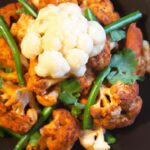
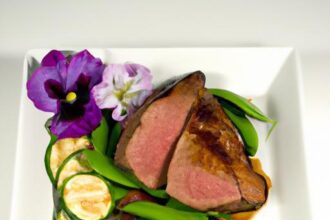
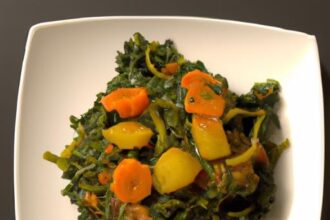
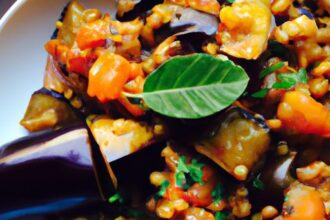
Italy’s culinary heritage is beloved worldwide, and with the rise of Gluten-Free Recipes, enjoying Italy’s classic flavors has never been easier. Today’s Gluten-Free Recipes bring together authentic ingredients, bold aromas, and traditional techniques—all adapted for a gluten-free lifestyle. Whether you crave rustic breads, silky pastas, or indulgent desserts, modern Gluten-Free Recipes allow you to savor Italy without missing out on the foods you love. These thoughtfully crafted Gluten-Free Recipes celebrate the heart of Italian cooking while ensuring accessibility for everyone. By embracing Gluten-Free Recipes, home cooks can explore a universe where authenticity meets nourishment, proving that the soul of Italian cuisine thrives beautifully through Gluten-Free Recipes.
In this guide, you’ll discover Gluten-Free Recipes that transform Italy’s most iconic dishes into flavorful, allergy-friendly creations. These Gluten-Free Recipes are perfect for those managing celiac disease, gluten sensitivities, or simply seeking healthier alternatives. From region to region, Italy’s culinary traditions are reborn through Gluten-Free Recipes that retain the textures, aromas, and comfort of the originals. Each of these Gluten-Free Recipes highlights clever substitutions and innovative methods, showing how gluten-free cooking can be both creative and satisfying. With these Gluten-Free Recipes, you can bring the heart of Italy to your table—one delicious gluten-free meal at a time.
Essential Gluten-Free Italian Ingredients to keep in Your Pantry
Savor italy: Delicious Gluten-Free Recipes You’ll Love begin with authentic ingredients that honor Italy’s rich culinary legacy while accommodating gluten-free needs. Stocking your pantry thoughtfully ensures you’re always ready to create vibrant, customary dishes that don’t compromise on flavor or texture.
- Gluten-Free flour Blends: A high-quality blend of rice flour, tapioca starch, and potato starch forms the backbone of many Italian recipes, from pasta to pizza dough.
- Polenta (Cornmeal): Coarse or fine yellow cornmeal is essential for creamy polenta or crispy fritters.
- Amaranto (Amaranth) and Chestnut Flour: Used in Tuscan desserts and breads,these flours offer nutty,earthy flavors.
- Rice and arborio Rice: Critical for luscious risottos and delicate desserts like rice pudding.
- Chickpea Flour (Farina di Ceci): Perfect for farinata, a savory chickpea pancake popular in Liguria.
- Gluten-Free Pasta: Made from corn, rice, or legumes, these varieties lend authentic texture and bite.
- San Marzano Tomatoes: The heart of robust sauces and stews, giving vibrant, balanced acidity.
- Extra Virgin Olive oil: The soul of Italian cooking, prized for its fruity aroma and peppery finish.
- Fresh Herbs: Basil, oregano, and rosemary elevate every dish with fragrant intensity.
Authentic Gluten-Free Pasta Recipes that Capture Italian Flavor
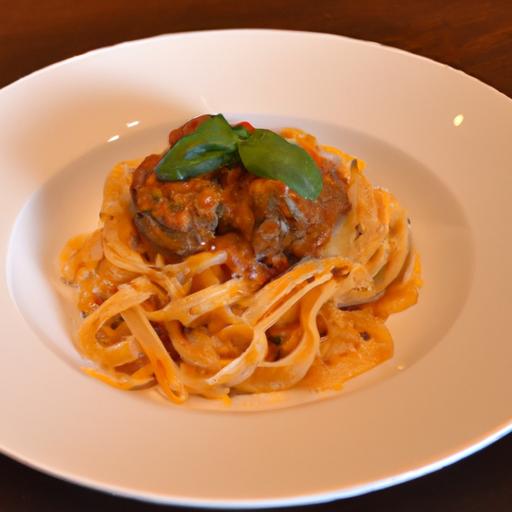
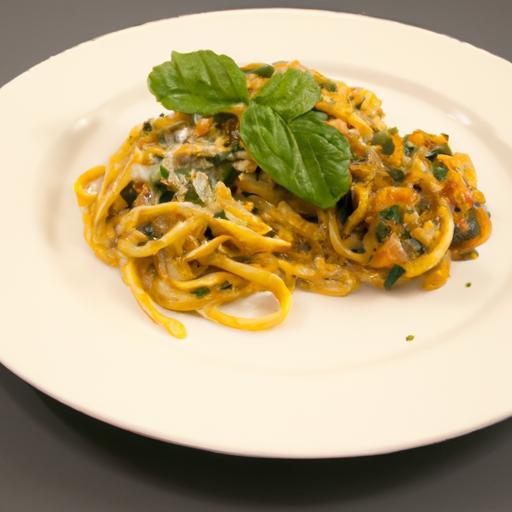
At the core of Savor Italy: Delicious Gluten-Free Recipes You’ll Love is the timeless art of pasta-making-reinterpreted flawlessly to be gluten-free without sacrificing the cherished textures and flavors. This classic Gluten-Free Pappardelle with Mushroom Ragù channels the rustic charm of Tuscany.
Prep and Cook time: 45 minutes
Yield: 4 servings
Difficulty Level: Medium
- For the Gluten-Free Pappardelle:
- 2 cups gluten-free all-purpose flour blend, sifted
- 3 large eggs
- 1 tbsp olive oil
- Pinch of salt
- For the Mushroom Ragù:
- 2 tbsp extra virgin olive oil
- 3 cloves garlic, minced
- 1 shallot, finely chopped
- 12 oz mixed mushrooms (cremini, porcini, shiitake), sliced
- 1 cup San Marzano tomato sauce
- Fresh thyme sprigs
- Salt and pepper to taste
- Fresh parsley, chopped (for garnish)
- Prepare the dough: On a clean work surface, form a mound with the gluten-free flour. Make a well in the center and crack in eggs and olive oil. Using a fork, gently whisk eggs into the flour, gradually incorporating it until a dough starts to form.
- Knead gently: Knead the dough with your hands for 5-7 minutes until smooth and elastic. If sticky, dust with more flour. Wrap in plastic and rest for 20 minutes.
- Roll and cut pasta: Divide dough into 2 portions. Using a rolling pin or pasta machine, roll dough into thin sheets (~1/8 inch). Cut into wide ribbons about 1 inch across to form pappardelle.
- Make the ragù: Heat olive oil in a skillet over medium heat. Sauté garlic and shallot until translucent, about 2 minutes. Add mushrooms and cook until golden brown and tender,about 5-7 minutes.
- Add tomato and herbs: Stir in San Marzano sauce and fresh thyme. Simmer gently for 10 minutes, seasoning with salt and pepper. Remove thyme sprigs before serving.
- Cook pasta: Bring a large pot of salted water to a boil.Cook pappardelle for 2-3 minutes until al dente, testing frequently to avoid overcooking.
- Toss and serve: Drain pasta, reserving some cooking water. Toss pasta with mushroom ragù, adding a splash of pasta water if needed to loosen the sauce.
- Garnish: Sprinkle with fresh parsley and a drizzle of extra virgin olive oil before plating.
Chef’s Notes
- For a vegan variation, replace eggs in pasta with ¾ cup water and 1 tbsp ground flaxseed, but expect a slightly different texture.
- Use a pasta drying rack if making a larger batch to prevent sticking.
- Porcini mushrooms add earthiness, while shiitake contribute umami depth-mix according to preference.
- Make-ahead tip: Prepare the ragù 1 day in advance; it tastes even better after the flavors meld.
Serving Suggestions
Present gluten-free pappardelle in warm, shallow bowls, topped with a sprinkle of fresh parsley and shaved Parmigiano-Reggiano (or nutritional yeast for dairy-free).

sweet Endings Gluten-Free Italian Desserts to Indulge In
Conclude your gluten-free culinary journey with luscious, indulgent treats that pay homage to Italy’s celebrated dolce tradition without gluten. this gluten-Free Almond Biscotti combines crunchy texture with fragrant almond tones-perfect for dipping into espresso or Vin Santo.
prep and Cook Time: 1 hour 10 minutes (includes cooling)
Yield: About 24 biscotti
Difficulty Level: Easy
- 2 cups almond flour
- 1/2 cup gluten-free all-purpose flour blend
- 1 cup granulated sugar
- 1 tsp baking powder (gluten-free)
- 1/4 tsp salt
- 3 large eggs
- 1 tsp pure vanilla extract
- 1 cup whole almonds, toasted and roughly chopped
- Zest of 1 lemon
- Preheat oven: to 325°F (160°C). Line a baking sheet with parchment paper.
- Mix dry ingredients: In a large bowl, whisk together almond flour, gluten-free flour, sugar, baking powder, and salt.
- Combine wet ingredients: In a separate bowl, beat eggs with vanilla and lemon zest.
- Form dough: add wet mixture to dry and stir with a wooden spoon until combined.Fold in toasted almonds.
- Shape logs: Divide dough in half; shape each into a 12-inch long, 2-inch wide log on the baking sheet.
- Bake first time: Bake for 25-30 minutes or until golden and firm to the touch.
- Cool and slice: Remove logs and let cool for 15 minutes. Using a serrated knife, slice diagonally into ½-inch thick biscotti.
- Bake second time: Place slices cut-side down; bake another 15 minutes, flip, and bake 10 more minutes until crisp.
Tips for Success
- Store biscotti in an airtight container; they develop deeper flavor after resting 24 hours.
- Replace almonds with pistachios or dried cranberries for delightful variations.
- For extra zest,dip biscotti ends in melted dark chocolate once cooled.
Serving Suggestions
| Per Serving (2 biscotti) | Calories | Protein | Carbs | Fat |
|---|---|---|---|---|
| Gluten-Free Almond Biscotti | 150 | 4g | 19g | 7g |
For deeper insights into gluten-free Italian cooking techniques, visit Gluten Free Italy, a trusted resource offering a treasure trove of recipes and tips.
To explore more delectable gluten-free recipes inspired by Italy’s vibrant regions, check out our regional Gluten-Free Italian Cuisine guide.
Q&A
Q&A: Savor Italy - Delicious Gluten-Free Recipes you’ll Love
Q1: Why explore gluten-free Italian cuisine?
A1: Italy’s culinary magic isn’t just about pasta and pizza-it’s about fresh, vibrant ingredients and bold flavors. Exploring gluten-free Italian dishes lets you savor that magic without compromise. From creamy risottos to hearty vegetable stews, Italy’s traditional recipes offer a treasure trove for gluten-free food lovers.
Q2: Can traditional Italian dishes realy be gluten-free?
A2: Absolutely! While classic pasta and bread typically involve gluten, many authentic Italian recipes naturally omit it. Polenta, risotto, grilled seafood, and many antipasti are inherently gluten-free. Plus, modern adaptations using gluten-free flours and ancient grains make beloved classics accessible to everyone.
Q3: What gluten-free ingredients are staples in Italian cooking?
A3: Ingredients like cornmeal (for polenta), rice (for risotto), fresh vegetables, olives, herbs, cheese, and naturally gluten-free meats and seafood form the backbone of many Italian dishes. Legumes such as chickpeas also shine in recipes like farinata-a savory chickpea flour pancake delight.
Q4: How do gluten-free Italian flours affect the taste?
A4: Gluten-free flours like rice, chickpea, and chestnut flour each bring unique flavors and textures. Chestnut flour adds subtle sweetness perfect for desserts, while chickpea flour lends a nutty, hearty quality to breads and fritters. These flours unlock new dimensions in Italian cooking beyond traditional wheat.
Q5: What’s a great gluten-free Italian recipe for beginners?
A5: Start with Risotto alla Milanese-a creamy saffron-infused rice dish.It’s naturally gluten-free, simple to prepare, and packed with authentic Italian flavor. Plus, mastering risotto techniques opens doors to endless variations with vegetables, seafood, and cheese.
Q6: How can I enjoy gluten-free Italian desserts?
A6: Italy offers a sweet array free of gluten, like panna cotta, gelato, and classic Italian meringues (like amaretti made from almond flour). You can also explore naturally gluten-free treats that use nuts, honey, and fruit, capturing authentic tastes with a twist.
Q7: Any tips for dining out gluten-free in Italy?
A7: Italy has embraced gluten-free dining with growing enthusiasm. Look for restaurants certified “senza glutine” or ask for dishes based on rice, polenta, or vegetables. Embrace local markets to enjoy fresh produce and cheeses, letting you craft your own gluten-free Italian feast anywhere.
Q8: Where can I find inspiration for gluten-free Italian recipes?
A8: Dive into traditional Italian cookbooks with gluten-free adaptations, food blogs dedicated to celiac-pleasant cooking, and cooking shows spotlighting regional Italian specialties. the key is to honor Italy’s rich culinary heritage while tweaking techniques and ingredients to suit gluten-free needs.
Savoring Italy without gluten is not only possible-it’s a delicious journey into a world where flavor reigns supreme. Buon appetito!
Closing Remarks
As you close the chapter on these delightful gluten-free italian recipes,remember that savoring Italy isn’t just about the flavors-it’s about embracing a tradition of fresh ingredients,vibrant colors,and heartfelt cooking. Whether you’re celiac, gluten-sensitive, or simply curious, these dishes prove that gluten-free doesn’t mean flavor-free. So gather your loved ones, set the table, and let each bite transport you to sun-drenched piazzas and cozy trattorias. Buon appetito-and hear’s to many more delicious gluten-free adventures in your kitchen!