Nestled deep within the heart of Scottish heritage lies a culinary treasure both revered and celebrated: haggis. This iconic dish, steeped in centuries of tradition, tells a story far richer than its rustic appearance may suggest. Mastering haggis is not merely about following a recipe; it’s an immersion into Scotland’s vibrant culture, where every spice and simmer reflects the rugged landscapes and resilient spirit of its people. in this article,we unveil the secrets behind the traditional Scottish haggis-demystifying its planning,honoring its history,and guiding you step-by-step to creating an authentic masterpiece that captures the very essence of scotland on your plate.
Mastering Haggis: Traditional Scottish Recipe Unveiled invites you to embark on a culinary journey steeped in centuries of Scottish heritage. This iconic dish embodies the heart of Scotland’s rustic charm, combining humble ingredients that transform into a rich, savory symphony. As you prepare haggis, you’re not just cooking-you’re connecting with a vibrant cultural story that has delighted generations. From the bustling highland markets to festive Burns Night suppers, this dish carries both pride and history.
Unlocking the Origins and Cultural Meaning of Haggis
Haggis has been celebrated since the 15th century as a resourceful way of using every part of the sheep, turning modest ingredients into a deeply flavorful staple. this traditional Scottish pudding symbolizes resourcefulness and a communal spirit, especially on Burns Night, when Robert Burns’s “Address to a Haggis” echoes through tables laden with whisky and laughter.Enjoying haggis means embracing Scotland’s culinary heritage and honoring its people’s enduring connection to the land.
Selecting the Finest Ingredients for an authentic Taste Experience
Quality is the cornerstone of authentic haggis. To master this dish, seek fresh, local offal including:
- 1 lamb’s pluck (heart, liver, lungs), approximately 1 lb
- 1 medium onion, finely chopped
- 1 cup steel-cut oats, toasted
- 4 oz suet, shredded or chopped
- 1 tsp ground black pepper
- 1 tsp ground coriander
- 1 tsp ground nutmeg
- 1 tsp salt
- 1/2 tsp cayenne pepper (optional)
- 1 sheep’s stomach (cleaned and prepared), or a large sausage casing as an alternative
- Water or stock as needed
By selecting fresh offal and natural ingredients, you ensure the dish bursts with authentic flavor and carries the rich traditions intended. The oats add a lovely nutty texture, while spices bring subtle warmth.
Prep and Cook Time
- Preparation: 1 hour
- Cooking: 3 hours
- Total: 4 hours
Yield
Serves 6 hearty portions
Difficulty Level
Advanced – Requires patience and precision, but the results are immensely rewarding.
Step-by-Step Guide to Preparing and cooking Traditional Haggis
- Prepare the pluck: Rinse the lamb’s heart, liver, and lungs thoroughly under cold water. Place in a large pot and cover with water. Bring to a boil, then simmer gently for 2 hours until tender.
- Drain and cool: Remove the pluck from the cooking liquid and allow to cool slightly. Reserve the stock for later use.
- Finely chop: Using a sharp knife or food processor,chop the pluck until it reaches a coarse mince texture. Set aside.
- Toast oats: In a dry skillet over medium heat, toast the steel-cut oats, stirring frequently enough until golden and fragrant. This step enhances the depth of flavor.
- Sauté onions and suet: In a pan, melt the suet over medium heat. Add the onions and sauté until soft and translucent, about 5 minutes.
- Mix ingredients: In a large bowl, combine chopped pluck, toasted oats, sautéed onions and suet, and all spices: pepper, coriander, nutmeg, cayenne, and salt. Stir gently. Add a splash of reserved stock to moisten; the mixture should be rich but not wet.
- Prepare the casing: If using a sheep’s stomach, rinse thoroughly inside and out.Soak in salted water for 1 hour to reduce bitterness. If using sausage casing, soak per package instructions.
- Fill the casing: Carefully spoon or funnel the haggis mixture into the stomach or casing. do not overfill – allow room for expansion during cooking.Sew or tie securely with kitchen string.
- Cook haggis: Place the stuffed casing in a pot of boiling water. Reduce to a gentle simmer, cover, and cook for approximately 3 hours. Ensure the water covers the haggis; top up with boiling water as needed.
- Test readiness: The casing should feel firm and plump. Remove from pot carefully and drain.
- Rest and slice: Allow the haggis to rest for 10-15 minutes before slicing to reveal its tender, aromatic interior.
Chef’s Notes: Tips for Success
- Substitution: If lamb lungs are unavailable,omit or replace with extra heart and liver,though traditionalists will insist lungs are essential for texture.
- Make-ahead: Haggis keeps well refrigerated for up to 2 days or can be frozen after cooking. Reheat gently in simmering water or oven.
- Prevent splits: Don’t overfill the casing, and avoid rapid boiling to stop burst seams.
- Flavor boost: Add a splash of whisky or a handful of chopped fresh herbs like parsley to enhance complexity.
Serving Suggestions and Perfect Pairings to Elevate Your Meal
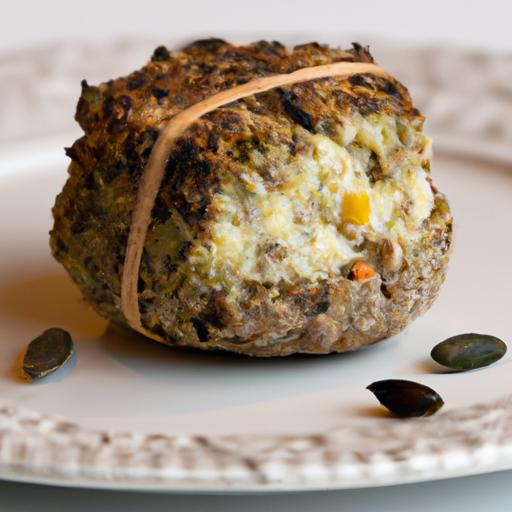
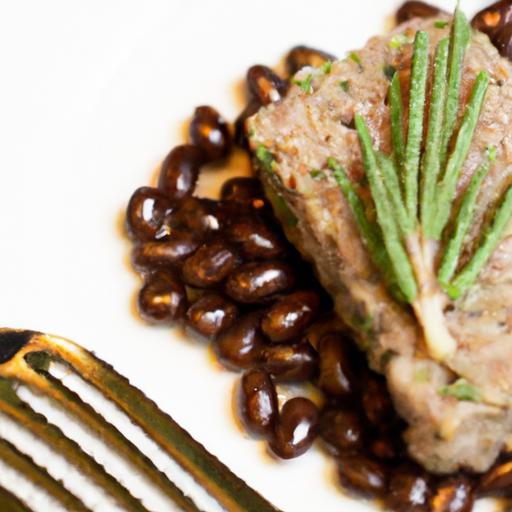
Traditionally served with neeps and tatties (mashed turnips and potatoes), this hearty plate celebrates earthy flavors and rustic textures. For a stunning presentation, mound the haggis alongside creamy neeps and fluffy tatties, garnished with a sprig of fresh thyme or rosemary.

| Nutrient | Per Serving (Approx.) |
|---|---|
| Calories | 380 kcal |
| Protein | 30 g |
| Carbohydrates | 25 g |
| Fat | 18 g |
For further culinary inspiration and to perfect your traditional Scottish fare, explore our in-depth guide on Scottish whisky pairings. To deepen your knowledge of haggis’s rich cultural past,visit the Historic Surroundings Scotland archive.
Q&A
Q&A: Mastering Haggis – Traditional Scottish Recipe Unveiled
Q1: What exactly is haggis?
A1: Haggis is Scotland’s beloved savory pudding, often described as a comforting, spiced party of offal.Traditionally, it’s made from sheep’s heart, liver, and lungs, finely minced and combined with onions, oatmeal, suet, and a blend of warming spices. This mixture is then encased in the sheep’s stomach and simmered to perfection, creating a dish rich in history and flavor.
Q2: Why is haggis so iconic in Scottish culture?
A2: Haggis is more than just food-it’s a symbol of Scottish identity and resilience. Immortalized in Robert Burns’ famous poem, “Address to a Haggis,” it represents the spirit of Scotland’s hearty, resourceful culinary traditions. Serving haggis during Burns Night, Scotland’s annual tribute to its national poet, is a time-honored ritual that brings communities together to celebrate heritage and storytelling.
Q3: Is the traditional recipe for haggis difficult to master?
A3: While the notion of cooking haggis might intimidate the uninitiated, mastering this dish is a rewarding culinary adventure. The key lies in balancing textures and seasoning-ensuring the offal is minced finely and the oatmeal is toasted just right. Though the preparation requires patience, especially the careful simmering in the casing, following a trusted recipe and embracing the process transforms the challenge into a satisfying triumph.
Q4: Can I make haggis without using animal organs?
A4: Absolutely! Vegetarian and vegan adaptations of haggis have become popular, embracing the spirit rather than the specifics of the original dish. These versions frequently enough substitute lentils, mushrooms, nuts, or pulses for the meat, combined with traditional spices and oats to capture that distinctive, earthy flavor and crumbly texture. They offer an accessible gateway for those curious about haggis without the organ meats.
Q5: How should haggis be traditionally served?
A5: The classic presentation of haggis is alongside “neeps and tatties” – mashed turnips (neeps) and potatoes (tatties).This hearty trio is frequently enough drizzled with a generous splash of rich whisky sauce or a simple knob of butter. Served hot and hearty, it’s the quintessential comfort food that honors Scotland’s rugged landscape and warming traditions.
Q6: Any tips for first-timers cooking haggis at home?
A6: Start with fresh, high-quality ingredients and don’t rush the process. Toast the oatmeal beforehand to awaken its nutty aroma, season generously, and be gentle when stuffing and sealing if you’re using a traditional casing. If the authentic stomach casing feels daunting, commercial artificial casings or even cooking haggis in a tightly wrapped foil parcel can work well.Most importantly, enjoy the ritual-it’s as much about the journey and storytelling as the taste.
Q7: Where can I find authentic haggis ingredients?
A7: Specialty butcher shops in Scotland and select international stores supply traditional haggis ingredients. For those outside these regions, online retailers often offer pre-made haggis or at least the key components. Ensure to source reputable suppliers, especially if making haggis from scratch, to guarantee freshness and authenticity.
Q8: What’s the best way to honor Scottish tradition while enjoying haggis?
A8: Hosting a Burns Night supper is the perfect way! Recite some verses from Robert Burns, pour a wee dram of Scotch whisky, and serve the haggis with neeps and tatties. Embrace the storytelling, the laughter, and the camaraderie-it’s all part of what makes haggis a dish that truly warms the heart and soul.
Whether you’re a culinary adventurer or a lover of cultural heritage, mastering haggis unlocks a flavorful piece of Scottish spirit-bold, earthy, and utterly unforgettable. Slàinte mhath!
Concluding Remarks
As the aromatic spices settle and the rich flavors of haggis linger on your palate, you’ve not only uncovered a traditional Scottish dish but also embraced a centuries-old cultural tapestry. Mastering haggis is more than just following a recipe-it’s about honoring heritage, savoring history, and celebrating the hearty soul of scotland. So, whether you’re preparing it for a festive burns Night or simply exploring culinary landscapes, remember that each bite tells a story. Now, armed with this knowledge, step boldly into your kitchen and let the authentic taste of Scotland transform your cooking and your table. Slàinte mhath!