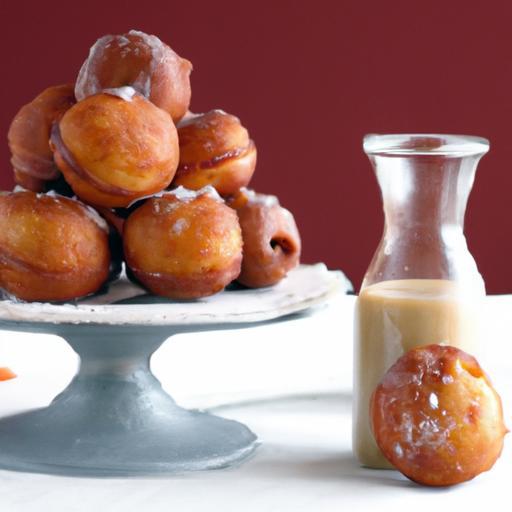
In teh vibrant tapestry of Moroccan cuisine, where spices dance and flavors tell stories, one sweet tradition has been delighting generations: the Sfinge doughnut. These golden,pillowy treats,traditionally enjoyed during festive gatherings and celebrations,carry wiht them the warmth of home and heritage. Yet, as culinary horizons expand and creativity flourishes, the classic Sfinge is being reimagined-infused with new ingredients, contemporary twists, and global inspirations. Join us as we explore the journey of Moroccan sfinge doughnuts, from their humble origins to their modern-day reinvention, celebrating a timeless delight that continues to captivate sweet lovers around the world.
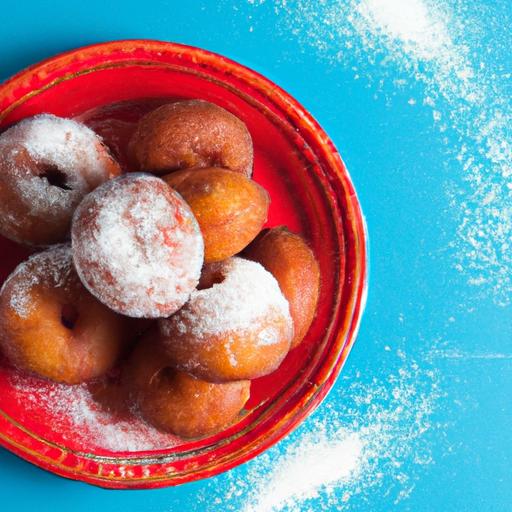
Moroccan Sfinge doughnuts capture the heart of customary North African festivities with their airy texture and sweetly spiced essence. These golden, fluffy fritters-which melt delightfully on the tongue-are more than just a treat; they are a cultural emblem, symbolizing hospitality, celebration, and the joyous art of sharing food. Growing up in a Moroccan household, the scent of frying sfinge would fill the air during Eid and family gatherings, and today, recreating this cherished recipe allows me to connect with centuries of culinary heritage while inspiring new flavor adventures.
Prep and Cook Time
- Readiness: 20 minutes
- Proofing: 1 hour 15 minutes
- Cooking: 15 minutes
- Total Time: 1 hour 50 minutes
Yield
Makes approximately 24 sfinge doughnuts
Difficulty Level
Medium: Requires yeast proofing and frying but simple enough for enthusiastic home cooks.
Traditional Ingredients and Techniques That Define Authentic Sfinge
Authentic Moroccan Sfinge doughnuts rely on time-honored ingredients that have remained steadfast through generations. The core components-all-purpose flour, fresh yeast, warm water, and a hint of aromatic spices such as anise seeds or cinnamon-create a delicate balance between flavor and texture. The dough’s light fermentation stage is crucial, allowing natural yeast action to produce a pillowy lift and subtle tang.Traditionally, sfinge are deep-fried in plenty of oil until puffed and golden, then quickly doused in honey or dusted with powdered sugar for a touch of sweetness that complements their mild, yeasty aroma.
Ingredients
- 3 ½ cups all-purpose flour, sifted
- 1 cup warm water (110°F/43°C)
- 2 tsp active dry yeast
- 3 tbsp granulated sugar
- 1 tsp anise seeds, lightly crushed
- 1/2 tsp ground cinnamon
- 1/2 tsp salt
- 2 tbsp orange blossom water
- Vegetable oil for deep frying (about 4 cups)
- Honey or powdered sugar for finishing
instructions
- activate the yeast: In a small bowl, combine warm water, yeast, and 1 teaspoon of granulated sugar. Stir gently and let sit for 10 minutes until foamy, indicating the yeast is alive.
- Mix dry ingredients: in a large mixing bowl, whisk together flour, remaining sugar, anise seeds, cinnamon, and salt.
- Combine wet and dry: Gradually pour the yeast mixture and orange blossom water into the flour mix. Stir with a wooden spoon until it forms a sticky dough.
- Knead: Transfer dough onto a lightly floured surface. Knead for 8-10 minutes until smooth and elastic. The dough should be tacky but not overly sticky.
- Proof: Place the dough in a greased bowl, cover with a damp towel or plastic wrap, and allow it to rise in a warm spot for 1 hour or until doubled in size.
- heat oil: In a heavy-bottomed pot or deep fryer, heat vegetable oil to 350°F (175°C).Use a candy or deep-fry thermometer for accuracy.
- Shape doughnuts: Using lightly oiled hands or a tablespoon, scoop small balls of dough (about the size of a walnut). Flatten them slightly, keeping the center thick for optimal puff.
- Fry: Carefully drop sfinge dough balls into hot oil, frying in batches. Cook for about 3-4 minutes per side or until golden and puffed. Avoid overcrowding to maintain oil temperature.
- Drain and finish: Use a slotted spoon to transfer sfinge to a paper towel-lined plate.while warm, drizzle generously with honey or dust with powdered sugar for a classic finish.
- Serve: Enjoy these Moroccan sfinge doughnuts fresh-warm,crisp on the outside,fluffy inside,and fragrant with spice.
Modern Twists and Flavor Innovations in Sfinge Recipes
While Moroccan Sfinge doughnuts hold a strong place in tradition, modern culinary creativity has introduced exciting flavor shifts. Incorporate orange zest or rose water for a delicate floral note, or add cardamom and saffron to elevate the spice profile. for a contemporary twist, fillings such as date caramel, pistachio cream, or chocolate ganache transform these treats into decadent delights perfect for festive occasions or afternoon tea. Experimenting with alternative toppings like toasted sesame seeds or pairing with a tangy berry coulis highlights the versatility of this beloved doughnut.
Expert Tips for Perfectly Crispy and fluffy Canadian Sfinge Doughnuts Every Time
- Temperature control is key: Maintain the oil at a steady 350°F (175°C). Too hot and the exterior burns before the interior cooks; too cool and sfinge will absorb oil and become greasy.
- Don’t overcrowd the pan: Fry in small batches for even cooking and crispiness.
- Use fresh yeast: It yields a better rise and texture compared to instant yeast in this recipe.
- Lightly oil hands when shaping: This prevents sticking without adding extra flour, which can toughen the dough.
- serve instantly: Sfinge taste best fresh and warm; if needed, gently reheat in a low oven to rappel crispness.
Serving Suggestions
Present your Moroccan Sfinge doughnuts on a vibrant ceramic platter to celebrate their festive roots.Garnish with a sprinkle of finely chopped pistachios, a drizzle of honey infused with orange zest, or a dusting of cinnamon sugar for sensational aroma and color contrast. Pair with mint tea or a spiced coffee latte to complement the sweet and aromatic flavors harmoniously.For an indulgent twist, offer a side of preserved figs or fresh pomegranate seeds to add bursts of fruity freshness alongside the doughnuts.
| Nutrient | Per Serving (1 sfinge) |
|---|---|
| Calories | 140 kcal |
| Protein | 3 g |
| Carbohydrates | 22 g |
| Fat | 4 g |
Explore more Moroccan sweets and discover the history of doughnuts worldwide for added inspiration.

Q&A
Q&A: Moroccan Sfinge Doughnuts – A Sweet Tradition reimagined
Q: What exactly are Sfinge doughnuts?
A: Sfinge (pronounced “sfeenj”) are traditional Moroccan doughnuts-golden,airy,deep-fried pillows of delight. Made from a simple yeast dough, they puff up into crispy, crunchy-on-the-outside and soft-on-the-inside treats, frequently enough dusted with sugar or drizzled with honey. A festive favorite that captures the heart of Moroccan celebrations.
Q: Where do Sfinge doughnuts fit in Moroccan culture?
A: Sfinge are more than just pastries; they are a symbol of togetherness and joy. Typically served during special occasions, like Ramadan, Eid, weddings, and family gatherings, these doughnuts embody hospitality and sweetness shared amongst loved ones. Their aroma and taste evoke nostalgia and festive cheer across Moroccan homes.
Q: How have sfinge doughnuts been reimagined in modern cuisine?
A: While the classic Sfinge sticks to its humble roots, contemporary chefs and home bakers are putting creative twists on the tradition. Think Sfinge infused with exotic spices like orange blossom or cardamom, filled with rich almond marzipan or creamy pistachio paste, or even topped with a dusting of matcha or a drizzle of dark chocolate. The reinvention keeps the soul of Sfinge alive while inviting new taste adventures.
Q: What ingredients define the traditional Sfinge dough?
A: The beauty of Sfinge lies in its simplicity. The dough usually combines basic pantry staples: flour, yeast, water (or milk), sugar, and a touch of salt or anise seeds for a subtle fragrance. The magic happens in the frying-hot oil transforms the dough into delicate clouds of flavor and texture.
Q: Can Sfinge doughnuts be enjoyed year-round, or are they seasonal treats?
A: Traditionally, Sfinge are tied to festive seasons, but their irresistibility transcends time. Nowadays, you might find them offered daily in Moroccan street markets or cafés. Whether it’s a spontaneous sweet craving or a celebration, Sfinge welcome any moment with open arms (and open mouths).
Q: how can someone outside Morocco experience authentic Sfinge doughnuts?
A: Authentic Sfinge are best enjoyed fresh and hot, ideally from a Moroccan bakery or street vendor who knows the art of balancing crispy edges with a cloud-like interior. For adventurous home cooks, there are plenty of recipes to try online, inviting you to bring a taste of Morocco into your own kitchen.
Q: What makes Sfinge stand out from other international doughnuts?
A: unlike the thick, heavily glazed doughnuts familiar in Western cuisine, Sfinge pride themselves on lightness and subtlety. Their airy texture, combined with fragrant spices and frequently enough a honey-sweetened touch, offers a more delicate yet deeply satisfying experience-a perfect dance of tradition and flavor.
Q: Why is the tradition of Sfinge important to preserve?
A: Food is a living history, and Sfinge carry centuries of Moroccan culture in every bite.Preserving this doughnut tradition means honoring the stories, celebrations, and communal spirit of Morocco’s past and present. Reimagining Sfinge breathes new life into this heritage, ensuring it captivates future generations with the same warmth and sweetness.
embark on your own flavorful journey with Moroccan Sfinge doughnuts-a sweet tradition lovingly reimagined to inspire taste buds and hearts around the world.
Future Outlook
As the aroma of freshly fried Moroccan Sfinge doughnuts fills the air, it’s clear that this sweet tradition is much more than just a treat-it’s a flavorful bridge between past and present. Whether dusted with fragrant cinnamon or drizzled with honey, these golden delights continue to enchant modern palates while honoring their rich cultural roots. In reimagining the Sfinge, artisans and home bakers alike keep the spirit of celebration alive, proving that sometimes, the sweetest way to connect with history is through a bite of something timeless yet wonderfully new.