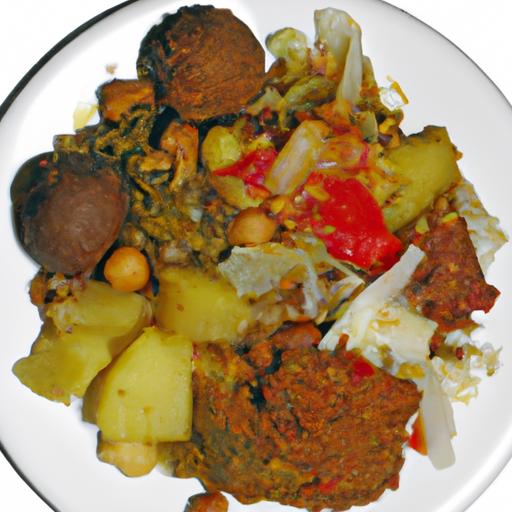


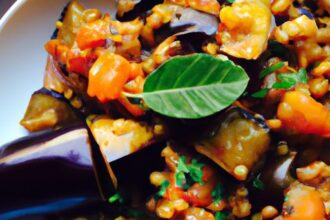
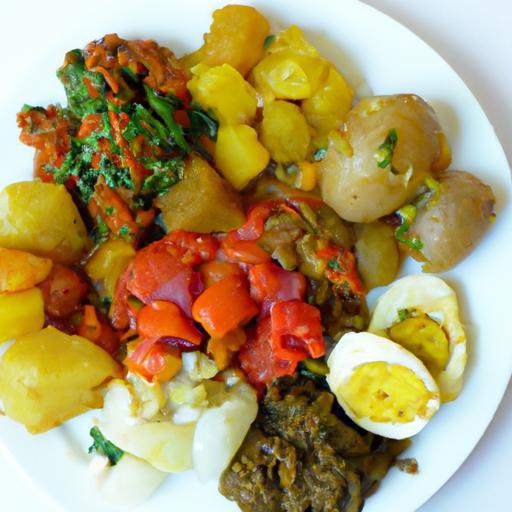
In the vibrant tapestry of Ethiopian cuisine, Beyaynetu stands out as a radiant mosaic-an edible celebration of culture, history, and community. this colorful sampler dish, artfully arranged on injera, brings together an array of stews, vegetables, and lentils, each bursting with unique flavors and stories. More than just a meal, Beyaynetu is a harmonious symphony of tradition and taste, inviting diners to explore Ethiopia’s rich heritage one bite at a time. Join us as we uncover the origins, significance, and delicious components of this culinary masterpiece that embodies the spirit of Ethiopian hospitality and diversity.
ethiopian Beyaynetu unlocks a vibrant tapestry of flavors that invites you to explore Ethiopia’s rich culinary heritage through a colorful sampler of traditional ingredients and spices. This elaborate platter is a celebration of community, culture, and the artistry of Ethiopian cuisine, making it a feast for both the eyes and the palate. Preparing Beyaynetu is more than just assembling dishes-it’s a flavorful journey that honors time-honored recipes and a beautiful symphony of textures and aromas.
Prep and Cook Time
- Preparation Time: 30 minutes
- Cook Time: 1 hour 15 minutes
- Total Time: 1 hour 45 minutes
Yield
Serves 4 generous portions
Difficulty level
Medium – requires multi-step preparation and balancing of spices
Ingredients
- For Injera (Ethiopian sourdough flatbread):
- 2 cups teff flour
- 3 cups water
- 1/4 tsp active dry yeast (optional for faster fermentation)
- For Misir Wot (spiced red lentil stew):
- 1 cup red lentils, rinsed
- 1 large onion, finely chopped
- 3 cloves garlic, minced
- 1 tbsp berbere spice mix
- 2 tbsp niter kibbeh (Ethiopian spiced clarified butter) or unsalted butter
- 2 cups vegetable broth or water
- Salt to taste
- For Atakilt Wat (Ethiopian vegetable stew):
- 2 cups chopped cabbage
- 1 cup diced carrots
- 1 cup diced potatoes
- 1 onion, diced
- 2 tbsp oil
- 1 tsp turmeric
- Salt and pepper to taste
- Other accompaniments:
- 1 cup cooked chickpeas seasoned with berbere and garlic
- 1 cup sautéed greens (collard greens or kale), lightly spiced
- 1 sliced tomato, for garnish
- Fresh cilantro leaves, chopped, for garnish
Instructions
- Prepare the Injera batter: In a large bowl, combine teff flour and water. Stir well to form a smooth, thin batter. Cover loosely and leave at room temperature to ferment for 2-3 days,or add yeast and ferment overnight for quicker results. The batter should develop a slightly sour aroma and bubbles on the surface.
- Cook the Injera: Heat a non-stick skillet or specialized injera pan over medium heat. Pour about 1/2 cup of batter in a circular motion, starting from the outside in. Cover and cook until holes form and the top is dry, about 2-3 minutes. Remove gently and allow to cool. Repeat with remaining batter.
- Prepare Misir Wot: In a pot, melt niter kibbeh or butter over medium heat. Sauté onions until translucent, about 5 minutes. Add garlic and berbere, cooking for another 2 minutes until fragrant. Stir in rinsed lentils and broth. Simmer uncovered until lentils are tender and the stew thickens, about 30-35 minutes. Season with salt and adjust spices.
- Cook Atakilt Wat: Heat oil in a skillet, sauté onions until soft. Add turmeric, potatoes, carrots, and cabbage. Stir well, cover, and cook over medium-low heat until vegetables are tender, about 25 minutes. season with salt and pepper.
- Prepare other components: Quickly sauté chickpeas with berbere and garlic until warmed through and fragrant. Sauté greens with a pinch of salt and a splash of water until wilted but vibrant.
- Assemble the Beyaynetu platter: Spread a large injera on a serving platter. Neatly arrange generous scoops of Misir Wot, Atakilt Wat, sautéed chickpeas, and greens in separate sections atop the injera. Garnish with fresh tomato slices and cilantro.
- Serve with Ethiopian coffee or traditional drink: Invite guests to share by eating with their right hand, tearing pieces of injera to scoop up stews and savoring the diversity of flavors together.
Tips for Success
- Fermentation is key: properly fermented injera batter creates the signature sour flavor and characteristic bubbles; be patient if fermenting naturally.
- Use authentic spices: Fresh berbere and niter kibbeh elevate the dish’s depth; these can be sourced online or made at home.
- Balance textures: The contrast between soft stews and crisp injera enhances enjoyment and authenticity.
- Make-ahead: Most stews can be prepared a day in advance and reheated, allowing flavors to mature beautifully.
- Vegetarian or vegan options: Substituting niter kibbeh with oil makes the dish fully plant-based without sacrificing richness.
Serving Suggestions
Lay the injera flat on a large communal platter and arrange the various stews and vegetable sides artistically in vibrant rainbow-like wedges. Garnish with radiant tomato slices and freshly chopped cilantro bursts of green,which contrast beautifully against the earthy hues of the lentil and vegetable stews. Encourage diners to eat with their hands, tearing pieces of injera to scoop up the different morsels, embodying the spirit of togetherness and shared joy integral to Ethiopian dining. Pair this platter with intensely aromatic Ethiopian coffee or a refreshing honey wine to complete the multisensory experience.
| Nutrient | Per Serving |
|---|---|
| Calories | 430 |
| Protein | 18g |
| Carbohydrates | 70g |
| Fat | 8g |

For more inspiration on Ethiopian flavors, check out our guide on Ethiopian Spices and Herb Essentials. To deepen your understanding of the rich cultural heritage behind Ethiopian cuisine, visit Britannica’s overview of Ethiopian cuisine.
Q&A
Q&A: Ethiopian Beyaynetu – A Colorful Sampler of Tradition
Q1: What is Beyaynetu, and why is it so special in Ethiopian cuisine?
A1: beyaynetu is a vibrant Ethiopian culinary tradition-a platter that acts like a colorful tapestry of flavors, textures, and stories all served on one giant injera (spongy teff flatbread). It’s special as it’s more than just a meal; it’s a communal experience, a celebration of Ethiopia’s rich cultural diversity, and an edible mosaic of its various regions and communities.
Q2: What makes beyaynetu visually striking?
A2: Imagine a giant canvas where each brushstroke is a different dish-reds from spicy lentils, vivid greens from collard greens or gomen, bright yellows from split peas or turmeric-infused vegetables.This arrangement transforms the platter into a living, breathing work of art, where every ingredient contrasts and complements the other in taste and colors.
Q3: What are the common ingredients found in a typical Beyaynetu?
A3: Beyaynetu is a symphony of legumes,vegetables,and sometimes meat,carefully arranged on injera. Common players include spicy misir wot (red lentils),shiro (chickpea stew),gomen (collard greens),atkilt (cabbage,carrots,and potatoes),and sometimes doro wot (spicy chicken stew). Each bite offers a new harmony of Ethiopian spices like berbere and niter kibbeh, creating layers of flavor.
Q4: How is Beyaynetu traditionally eaten?
A4: Eating Beyaynetu is a tactile and communal journey. Instead of utensils, you use pieces of injera to scoop up the different dishes. This method not only blends the flavors on your palate but also encourages sharing, making every meal a social gathering where stories and laughter are passed around as generously as the injera.
Q5: Does Beyaynetu change depending on the occasion?
A5: Absolutely! Beyaynetu can be simple and vegetarian for everyday meals, especially during fasting periods, or it can be a grand feast with meat and elaborate stews during celebrations and holidays. It embodies flexibility and respect for tradition, adapting to both religious customs and festive abundance.
Q6: Why is beyaynetu considered a cultural symbol beyond just food?
A6: Beyaynetu represents Ethiopia’s cultural mosaic, showcasing how different tribes and regions unite through shared culinary heritage. Each dish tells a story of local ingredients, climate, and history. Sharing Beyaynetu fosters community bonds and honors age-old customs, making it a powerful symbol of unity and cultural pride.
Q7: Can someone outside Ethiopia enjoy Beyaynetu authentically?
A7: Yes! While the authentic experience is enriched by Ethiopian hospitality, anyone can recreate the spirit of Beyaynetu by combining the classic dishes on injera and embracing the communal style of eating. Even beyond the meal, Beyaynetu invites appreciation for Ethiopian history, flavors, and the joy of togetherness-transcending borders through food.
Whether you’re a foodie, a cultural explorer, or simply curious, Beyaynetu offers a feast not only for your taste buds but also for your eyes and soul-a delicious gateway into Ethiopia’s heart.
to sum up
As the vibrant plates of Beyaynetu come together, so too does a tapestry of Ethiopia’s rich cultural heritage and communal spirit. More than just a meal, Beyaynetu invites us to share in centuries-old traditions where every colorful ingredient tells a story-of land and celebration, of unity and diversity. Whether savored in a bustling market or crafted in a quiet kitchen, this colorful sampler remains a delicious reminder that food is not only nourishment but a vivid expression of identity. So next time you encounter Beyaynetu, take a moment to appreciate the flavors that paint a picture of Ethiopia’s enduring spirit, served beautifully on a single platter.