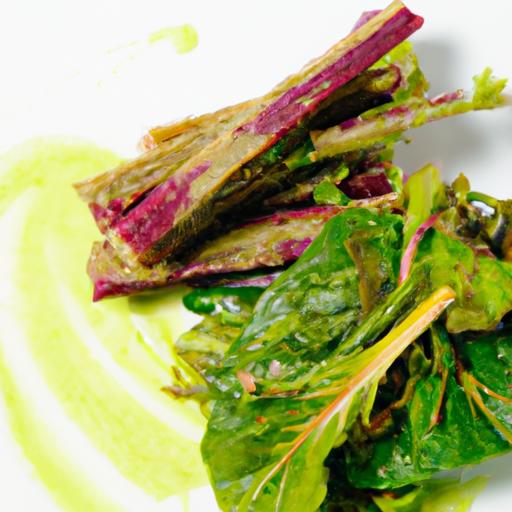
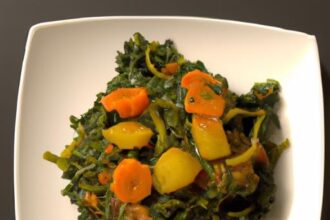
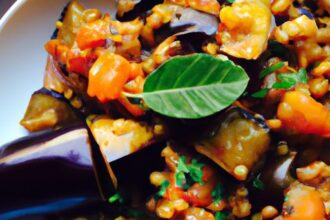
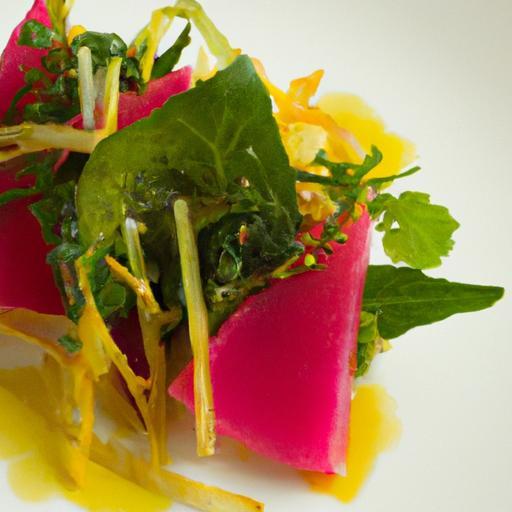
Vegetarian Cooking is more than a trend—it’s a delicious celebration of nature’s most colorful ingredients. Mastering Vegetarian Cooking opens the door to flavorful meals where vegetables shine with vibrant textures and wholesome appeal. In the world of Vegetarian Cooking, leafy greens, tender zucchini, and crisp peas come alive through techniques designed to highlight their natural beauty. Whether you’re new to Vegetarian Cooking or looking to expand your skills, learning these Vegetarian Cooking methods will transform every dish into a joyful tribute to fresh produce. With Vegetarian Cooking, simple recipes blossom into nutritious meals bursting with taste, color, and creativity.
Savoring Greens: Mastering the Art of Sautéing for Vibrant Vegetable Flavors
Vegetarian Cooking thrives on techniques that unlock true vegetable potential—sautéing for rich flavor, steaming for softness, roasting for depth, and bright dressings for balance. Through Vegetarian Cooking, your greens become exciting, satisfying, and nutrient-packed. Each moment spent refining Vegetarian Cooking allows you to build confidence and passion for healthy meals made with love. Inspired by sunny Mediterranean flavors, Vegetarian Cooking elevates humble ingredients into plates that feel fresh and fulfilling. Dive deep into Vegetarian Cooking and enjoy the harmony of flavor, health, and sustainability in every bite.
Prep and Cook Time
- Readiness: 20 minutes
- Cooking: 25 minutes
- Total Time: 45 minutes
Yield
Serves 4 generous portions
Difficulty Level
Easy to Medium – Ideal for home cooks eager to elevate their veggie game
Ingredients
- 2 cups fresh baby spinach leaves, washed and dried
- 1 large red bell pepper, sliced into thin strips
- 1 medium zucchini, sliced into half-moons
- 1 cup broccoli florets
- 1 small red onion, thinly sliced
- 2 cloves garlic, minced
- 2 tablespoons extra virgin olive oil
- 1 tablespoon lemon juice, fresh
- 1 teaspoon smoked paprika
- 1 teaspoon Dijon mustard
- 1 tablespoon fresh basil, chopped
- 1 tablespoon fresh mint, finely chopped
- Salt and cracked black pepper, to taste
- 1/4 cup toasted pine nuts (optional for garnish)
instructions
- Prepare your vegetables: Wash and chop all vegetables as described to ensure uniform cooking. Dry spinach leaves thoroughly to avoid steaming in the pan instead of sautéing.
- Sauté the red onion and garlic: heat 1 tablespoon of olive oil in a wide skillet over medium heat. Add the sliced red onion and garlic and sauté until soft and translucent,about 3-4 minutes. stir frequently to prevent burning.
- Add the bell pepper and zucchini: Toss in the sliced bell pepper and zucchini. Continue to sauté for 5 minutes, stirring occasionally until vegetables are tender but still slightly crisp, retaining their vibrant color.
- Steam the broccoli: While the vegetables cook, steam the broccoli florets for 4 minutes until bright green and tender-crisp. Drain and set aside.
- Combine and sauté spinach: Add the broccoli and spinach leaves to the skillet. Sauté with the vegetables for an additional 2 minutes until spinach wilts gently, stirring consistently to ensure even heat distribution.
- Roast pine nuts (optional): In a small dry pan, toast pine nuts over medium heat until golden and fragrant, about 2 minutes. remove promptly to avoid burning.
- Prepare the dressing: in a small bowl, whisk together lemon juice, Dijon mustard, smoked paprika, remaining olive oil, fresh basil, and mint. Season with salt and black pepper to taste.
- Toss to combine: Drizzle the dressing over the warm vegetables and gently toss to coat evenly, infusing every bite with fresh, spicy layers.
- Serve immediately: Transfer the vegetables to a vibrant serving bowl. Garnish with toasted pine nuts for an added crunch and visual appeal.
Tips for Success
- Maintain texture: Keep cooking times tight; overcooking diminishes vibrant color and crispness.
- Ingredient swaps: Substitute kale or Swiss chard for spinach for heartier greens, adjusting sauté time accordingly.
- flavor depth: add a splash of white wine or vegetable broth during sautéing for extra aroma and moisture.
- Make-ahead dressing: The herbaceous dressing can be prepared up to 48 hours in advance-keep chilled and shake before use.
- Steaming tip: Steam veggies just until bright and tender-crisp for maximum nutrient retention and color vibrancy.
Serving Suggestions
This medley shines as a standalone side or atop a bed of fluffy quinoa or barley to build a hearty vegetarian main. For added protein, sprinkle crumbled feta or a dollop of creamy hummus on the side. Serve with warm, crusty bread brushed with garlic olive oil to soak up every drop of dressing. Fresh lemon wedges elevate the final plate, encouraging diners to boost brightness as desired.
| Nutrient | Amount per Serving |
|---|---|
| Calories | 150 kcal |
| Protein | 5 g |
| Carbohydrates | 15 g |
| Fat | 9 g |

For more inspired vegetarian cooking techniques,explore our comprehensive guide to vegetarian proteins that pairs beautifully with this vegetable medley.To deepen your understanding of the science behind steaming and nutrient preservation, visit the Harvard T.H. Chan school of Public Health.
Q&A
Q&A: Savoring Greens – Essential Vegetarian Cooking Techniques Unveiled
Q1: why is cooking greens properly important in vegetarian cuisine?
A1: Greens are the heart and soul of vegetarian cooking – packed with nutrients, vibrant colors, and distinct textures.Cooking them properly unlocks their flavors, enhances digestibility, and transforms humble leaves into culinary delights that satisfy both palate and health.Proper technique ensures you savor every bite rather than wilt under a mountain of bitterness or sogginess.
Q2: What are the foundational cooking methods for greens every vegetarian should know?
A2: The essential techniques include blanching, sautéing, steaming, and braising.Blanching tones down bitterness and sets vibrant color; sautéing adds a flavorful caramelized edge with garlic or spices; steaming preserves nutrients and a tender crunch; braising creates melt-in-your-mouth greens infused with aromatics and broth. Master these, and you hold the keys to green kitchen magic.
Q3: How do blanching and shocking work, and why are they used?
A3: Blanching means briefly boiling greens, then immediately plunging them into ice water – this “shocking” halts the cooking instantly. It preserves the vivid green color and crisp texture while mellowing bitterness. This method is especially helpful when preparing salads, pesto, or layered dishes where greens need to be tender but not mushy.
Q4: Can you share tips for sautéing greens to maximize flavor?
A4: Absolutely! Start with a hot pan and good oil,like olive or coconut. Add aromatics such as garlic, shallots, or chili flakes for depth. Toss in your greens and stir quickly-just a few minutes until they wilt but still have a slight bite. Season with salt, pepper, or a splash of lemon juice to brighten the dish. The goal: tender but lively greens tinged with savory complexity.
Q5: When is steaming the preferred technique?
A5: Steaming is a gentle touch perfect for delicate greens like spinach, kale, or chard. It helps retain maximum nutrients, vibrant colors, and natural moisture, avoiding sogginess. Use a steamer basket over simmering water for 2-4 minutes, checking frequently to find the sweet spot between crispness and tenderness.
Q6: What dose braising add to greens that other methods don’t?
A6: Braising slow-cooks greens in flavorful liquids-broth, tomatoes, or coconut milk-letting them absorb rich, aromatic notes and soften deeply. This technique transforms tougher greens into silky, savory accompaniments ideal for hearty meals. It’s the ultimate cozy method for winter greens or making vegetables the star of the plate.
Q7: Are there common mistakes to avoid when cooking greens?
A7: yes! Overcooking can turn greens into a mushy, flavorless mess. Under-seasoning leaves them bland. Using too much water during boiling can leach valuable nutrients and flavor. Remember: quick, mindful cooking paired with seasoning at the right moments is key to elevating your greens from side dish to superstar.
Q8: How can one creatively incorporate cooked greens into everyday meals?
A8: the possibilities are endless! Fold sautéed greens into omelets or pasta, blend blanched greens into pesto or dips, layer braised greens in grain bowls, or toss steamed greens in vibrant salads. Think beyond the salad bowl-greens can enrich wraps, soups, smoothies, and even desserts like spinach-infused cakes if you’re adventurous!
Q9: What kitchen tools help with perfect vegetarian green dishes?
A9: A sharp chef’s knife for quick chopping, a large sauté pan or wok for even cooking, a steamer basket for gentle steaming, and a sturdy colander for draining blanching water. A good set of tongs helps toss greens without bruising, and a microplane zester or citrus juicer can brighten flavors with fresh zest and juice.
Q10: what’s the final secret to truly savoring greens?
A10: mindfulness. engage your senses-notice the aroma, color, texture, and balance of flavors. Experiment with herbs, acids, and spices. Cook with patience and curiosity. Vegetables thrive in attention, rewarding you with a garden of taste that nourishes both body and soul. Savor every green bite like a green gift.
To Wrap It Up
As you close the chapter on these essential vegetarian cooking techniques, remember that savoring greens is more than just a culinary practice-it’s an invitation to celebrate nature’s bounty with creativity and care. Whether you’re wilting spinach to silkiness, roasting Brussels sprouts to caramelized perfection, or layering flavors in a vibrant veggie stir-fry, each step transforms humble plants into a feast for the senses. Embrace these techniques not just as recipes,but as a gateway to nourishment,sustainability,and the joy of mindful eating. Your journey into vegetarian cooking is just beginning-let every leaf,root,and stem inspire a fresh story on your plate.