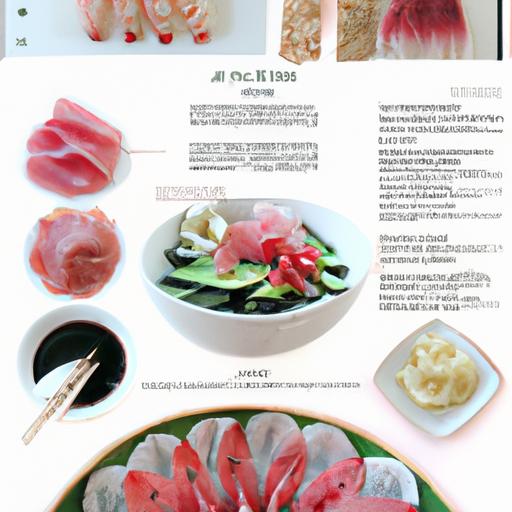
Savoring Japan is more than enjoying food — Savoring Japan means experiencing history, craftsmanship, and culture through every bite. When you are Savoring Japan, you taste the elegance of Kaiseki, the comfort of miso soups, and the balance found in every thoughtfully prepared dish. Savoring Japan unlocks centuries-old culinary wisdom where simplicity meets precision. From sushi artistry to regional ramen bowls, Savoring Japan brings the richness of nature, fresh seafood, and traditional seasonings to your table. Anyone passionate about Savoring Japan will discover how each flavor tells a meaningful story of place and tradition.
Savoring Japan encourages travelers and food lovers to embrace seasonal ingredients and masterful cooking styles that define authentic Japanese cuisine. Whether it’s Savoring Japan through delicate wagashi sweets or Savoring Japan with bold street foods grilled over open flames, each experience captures the true soul of Japanese cooking. Savoring Japan inspires appreciation for culinary rituals — from tea ceremonies to izakaya nights — and reminds us that Savoring Japan is about connection, harmony, and mindfulness. With every meal, Savoring Japan continues to celebrate heritage, artistry, and the spirit of Japan.
Prep and Cook Time
Readiness: 30 minutes | Cooking: 15 minutes | Total time: 45 minutes
Yield
Serves 4 as a main course or 6 as part of a multi-dish spread
Difficulty Level
Medium: Suitable for home cooks with basic knife skills and patience for intricate detail
Ingredients
- 2 cups sushi rice (short-grain Japanese rice), rinsed and drained
- 2 1/2 cups water
- 1/3 cup rice vinegar
- 3 tbsp sugar
- 1 tsp salt
- 200g fresh sashimi-grade salmon, thinly sliced
- 100g fresh uni (sea urchin), gently handled
- 4 sheets nori (seaweed)
- 1 avocado, sliced thinly
- 1 cucumber, julienned
- Wasabi paste, to taste
- Soy sauce, for dipping
- Pickled ginger, to cleanse the palate
- Fresh shiso leaves, optional for garnish
Instructions
- Cook the sushi rice: Combine rinsed rice and water in a rice cooker or pot. cook according to instructions untill tender and water is absorbed. Let the rice stand covered for 10 minutes.
- Prepare sushi vinegar: In a small saucepan, warm rice vinegar, sugar, and salt over low heat just until sugar dissolves.Do not boil.
- Season the rice: Spread the cooked rice in a large wooden or glass bowl. Gradually fold in the sushi vinegar with a wooden paddle, using a slicing motion to cool the rice without crushing grains. Fan the rice simultaneously to achieve a glossy finish.
- Assemble nigiri sushi: Wet your hands to prevent sticking. Take a small handful of rice (about 2 tablespoons) and gently mold into an oblong shape without compressing too much.
- top with fish: Place a slice of salmon or a small portion of uni atop each rice ball. Optionally add a dab of wasabi between rice and seafood for authentic flavor alignment.
- Roll maki sushi: Lay a nori sheet on a bamboo sushi mat.Spread an even layer of sushi rice (about 1/2 cup), leaving 1 inch bare at the top edge. Arrange avocado and cucumber strips horizontally in the center.
- Roll tightly: Using the bamboo mat, roll sushi firmly but gently to create a tight cylinder. Seal the edge of nori with a little water.
- Slice rolls: Using a clean, wet sharp knife, cut the roll into 6-8 pieces. Wipe the knife between slices for smooth cuts.
- Plate and garnish: Arrange nigiri and rolls on a long, elegant platter. Garnish with shiso leaves, pickled ginger, and serve with small bowls of soy sauce and wasabi.
Tips for success
- Rice texture is key: Avoid pressing rice too hard when shaping nigiri; it should hold its form yet remain airy.
- Seafood freshness: Purchase sashimi-grade fish from trusted sources; freshness directly elevates the dish.
- Make ahead: Prepare sushi rice up to 1 hour before serving and cover with a moist towel to maintain moisture.
- Variations: Substitute salmon with yellowtail or mackerel; enhance rolls with tempura flakes for added texture.
- Engage your senses: Complement sushi with a warm cup of matcha tea and a slice of seasonal wagashi for a perfect balance of flavors.
serving Suggestions
Present your sushi on a traditional wooden platter or simple ceramic dish to highlight its natural colors. A small dish of soy sauce with freshly grated wasabi and thin slices of pickled ginger provides the perfect interplay of flavors. For an authentic touch, pair this with a chilled cup of ceremonial matcha tea, bringing a refreshing bitterness that balances the umami and subtle sweetness of the sushi. Garnish with microgreens or edible flowers for visual delight and seasonal resonance.
| Nutrient | Per Serving |
|---|---|
| Calories | 320 kcal |
| Protein | 18g |
| Carbohydrates | 40g |
| Fat | 7g |

Q&A
Q&A: Savoring Japan – A Journey Through Authentic Japanese Cuisine
Q1: What makes Japanese cuisine so unique compared to othre culinary traditions?
Japanese cuisine is a harmonious dance of simplicity and depth. At its core lies a profound respect for seasonality, balance, and natural flavors. Unlike many cuisines that rely heavily on strong spices or sauces, Japanese cooking frequently enough celebrates the pure, unadulterated taste of fresh ingredients-be it the delicate sweetness of a perfectly ripe peach or the umami richness of dashi broth. The artistry in presentation further elevates the experience, turning each meal into a feast for the eyes and palate alike.
Q2: Which traditional dishes are essential for anyone wanting to truly savor Japan?
Embarking on a culinary journey through Japan means tasting a spectrum of iconic dishes:
- Sushi and sashimi: Artfully sliced raw fish served with vinegared rice or on its own, embodying freshness and precision.
- Ramen: A soulful noodle soup that varies widely by region-from the creamy tonkotsu of Kyushu to the soy-based shoyu of Tokyo.
- Kaiseki: A multi-course meal that epitomizes seasonal harmony, balancing taste, texture, and visual beauty.
- Tempura: Lightly battered and crispy-fried seafood and vegetables, showcasing texture contrast.
- Okonomiyaki: A savory pancake filled with ingredients of choice, offering a glimpse into home-style comfort foods.
Q3: How does seasonality influence Japanese cooking?
Seasonality, or shun, is a cornerstone of Japanese culinary philosophy. Each season brings a unique bounty-sakura blossoms hint at spring’s arrival, fresh bamboo shoots awaken the palate, while matsutake mushrooms signal autumn’s depths. Chefs meticulously select ingredients at their peak to ensure that every dish echoes the time of year, making dining a celebration of nature’s rhythm and a sensory journey through Japan’s diverse landscapes.
Q4: Are there regional specialties that highlight the diversity of Japanese cuisine?
Absolutely. Japan’s culinary landscape is as varied as its geography:
- Hokkaido boasts rich seafood like crab and uni (sea urchin), and dairy-infused dishes.
- Osaka is famed for street foods like takoyaki (octopus balls) and okonomiyaki.
- Kyoto offers refined kaiseki meals steeped in tradition and subtlety.
- Okinawa, with its tropical climate, serves unique dishes influenced by Southeast Asian flavors and longevity-promoting ingredients.
Q5: How can travelers best immerse themselves in authentic Japanese culinary experiences?
To truly savor japan’s cuisine, step off beaten paths and embrace local eateries, markets, and seasonal festivals. Engage with izakayas-casual pubs where locals unwind over small plates and sake. Participate in a cooking class to understand the craftsmanship behind sushi or miso soup. And don’t hesitate to try street foods or visit less touristy regions for an honest taste of Japanese hospitality and flavor.
Q6: What role does presentation play in Japanese dining?
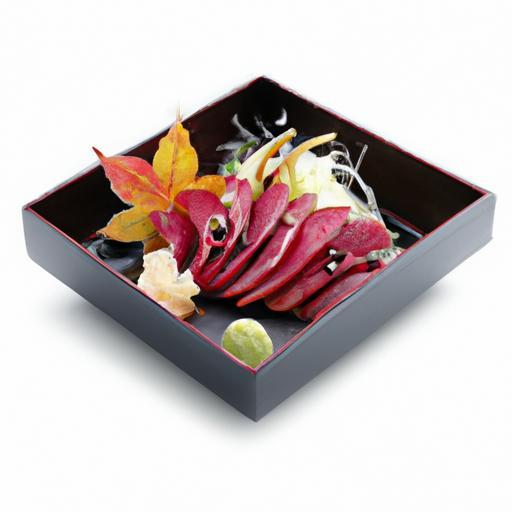
In Japan, food is art. Presentation goes beyond mere aesthetics; it embodies respect for the ingredients, the diner, and the moment. Plates are carefully chosen to complement the colors and textures of the dish, and arrangements often invoke nature’s beauty-like autumn leaves or blooming flowers. This mindful plating transforms every meal into a multisensory experience, inviting diners to slow down and savor not just taste, but sight and even season’s spirit.
Q7: How has modern Japan balanced tradition and innovation in its cuisine?
While deeply rooted in centuries-old techniques, Japanese cuisine is also a landscape of innovation. Contemporary chefs meld local ingredients with international influences, creating fusion dishes that honor tradition yet surprise the palate. From ramen burgers to delicate matcha-infused desserts, modern Japan invites food lovers to explore evolving flavors without losing sight of authenticity’s heart.
Dive fork-first into Japan’s culinary tapestry and uncover stories told through rice bowls, simmering pots, and meticulously crafted bite-sized treasures-a flavorful journey that nourishes body and soul alike.
Concluding Remarks
as our culinary journey through Japan draws to a close, we’re reminded that authentic Japanese cuisine is far more than just food-it’s an art form, a tradition, and a celebration of nature’s bounty. From the delicate balance of flavors in sushi to the comforting warmth of a steaming bowl of ramen, every dish tells a story steeped in history and culture. By savoring these authentic tastes, we don’t just nourish our bodies but also connect with centuries of heritage and the passionate hands that craft each bite. So next time you sit down to enjoy Japanese cuisine, let your palate wander beyond the plate and embrace the rich tapestry of flavors that make Japan’s culinary world truly unforgettable.