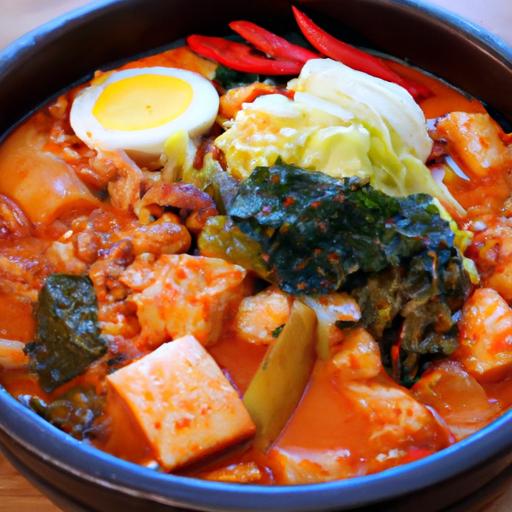
In the aftermath of war, when resources ran scarce but spirits remained unbroken, a unique culinary creation was born from necessity and resilience-Budae Jjigae, or “Army Stew.” This fiery,flavorful dish blends customary Korean ingredients with remnants of American military rations,symbolizing a complex chapter in Korea’s history.More than just a spicy stew, Budae Jjigae is a appetizing testament to ingenuity and cultural fusion, igniting taste buds and curiosity alike. Join us as we stir through the vibrant tale behind Korea’s beloved army stew craze, uncovering how hardship simmered into a beloved comfort food that continues to captivate palates around the world.
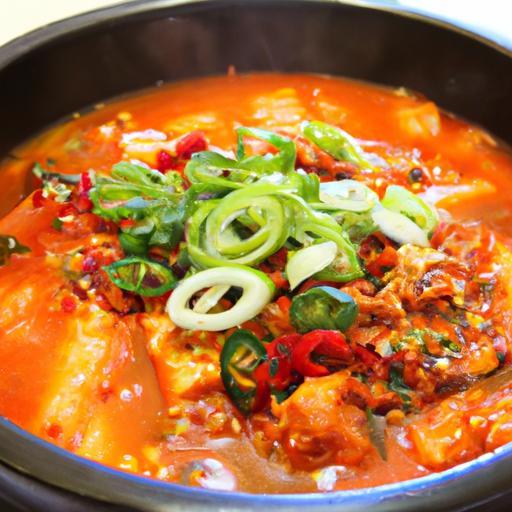
Budae Jjigae, also known as Army Stew, carries a potent blend of history and hearty flavors that defined post-war Korea’s culinary resilience. Emerging in the 1950s during the Korean War aftermath, this spicy stew creatively fused traditional Korean ingredients with surplus processed foods from U.S. military bases, such as spam and hot dogs. Today, this rich stew not onyl tantalizes taste buds but also tells a story of adaptation, community, and bold flavour innovation.
Prep and Cook Time
- Planning: 15 minutes
- Cooking: 30 minutes
- Total Time: 45 minutes
Yield
Serves 4 generous portions
Difficulty Level
Medium – perfect for home cooks ready to explore Korean spicy flavors with accessible ingredients
Key Ingredients That Define the Spicy Flavor Profile
- 4 cups beef or anchovy broth (rich base that balances robust flavors)
- 2 tablespoons gochujang (Korean red chili paste for smoky, sweet heat)
- 1 tablespoon gochugaru (Korean red chili flakes for depth and kick)
- 200g Spam, sliced into bite-sized pieces (a nod to historical U.S. military rations)
- 2 hot dogs, sliced diagonally (adds savory, juicy bites)
- 150g firm tofu, cubed (softens the intense spice with smooth texture)
- 1 cup kimchi, chopped (fermented tang and aroma)
- 1 medium onion, thinly sliced (adds mild sweetness)
- 150g instant ramen noodles (absorbs stew flavors beautifully)
- 1 cup sliced mushrooms (shiitake or button) (earthy notes)
- 3 cloves garlic, minced
- 2 green onions, chopped (freshness and color)
- 1 tablespoon soy sauce (umami depth)
- 1 teaspoon sesame oil (nutty aroma)
Step-by-Step Guide to Crafting the ultimate Army Stew at Home
- Prepare the broth: In a large pot, bring the beef or anchovy broth to a gentle boil. This rich base is essential to balance the stew’s fiery notes.
- Create the spicy base: stir in gochujang, gochugaru, minced garlic, and soy sauce. Mix until fully dissolved, allowing the red chili paste to infuse the broth with signature heat and sweetness.
- Add savory proteins: Layer sliced Spam, hot dogs, and tofu cubes evenly into the pot. These ingredients soak up the stew while adding savory, meaty texture.
- add vegetables and kimchi: Incorporate the chopped kimchi, sliced onions, and mushrooms. Let simmer for 10 minutes so flavors meld and the kimchi softens.
- Introduce noodles: Add the instant ramen noodles last, cooking for approximately 3-4 minutes until tender but firm, absorbing the spicy broth.
- Finish with garnishes: drizzle with sesame oil and sprinkle with chopped green onions. Serve piping hot, inviting everyone to dig in.
Tips for Success
- Customize your heat: Adjust gochujang and gochugaru quantities to tame or elevate spiciness according to your palette.
- Meat alternatives: Substitute Spam and hot dogs with sausage or leftover ham for a less processed twist.
- Make ahead: Prepare the broth and base a day before; the stew flavors deepen overnight.
- Broth choice: Anchovy broth offers authentic umami, but beef or vegetable broth works beautifully for simpler prep.
- Ramen timing: Don’t overcook noodles. Add them last to keep a perfect al dente bite in the spicy stew.
Pairing Suggestions and Serving Tips for an Authentic Experience
Serve Budae Jjigae in a traditional ttukbaegi (earthenware pot) to keep it sizzling at the table. Accompany with a bowl of steamed white rice to mellow the stew’s punchy heat.
Garnish with freshly chopped scallions, toasted sesame seeds, and a side of cold baechu kimchi to complement the stew’s robust flavors and provide refreshing contrast.

| Nutritional Info (per serving) | Calories | Protein | Carbs | Fat |
|---|---|---|---|---|
| Budae Jjigae | 520 kcal | 26g | 45g | 22g |
Discover more Korean dishes that celebrate vibrant spices and rich heritage by visiting our Korean Spicy Recipes collection.
Learn more about Korean culinary history at Britannica’s Korean Cuisine article.
Q&A
Q&A: Budae Jjigae – The Spicy History of Korea’s Army Stew Craze
Q1: What exactly is Budae Jjigae?
A1: Budae Jjigae, often dubbed “Army stew,” is a hearty, spicy Korean hot pot that marries traditional Korean flavors with unconventional ingredients like American processed meats-think spam, hot dogs, and baked beans. It’s a bubbling, communal dish that’s equal parts comfort food and culinary history.
Q2: How did Budae Jjigae come to be?
A2: Born in the aftermath of the Korean War during the late 1950s and early 1960s, Budae Jjigae reflects Korea’s resilience and resourcefulness.With scarce food supplies,Koreans near U.S.military bases began incorporating surplus processed American goods into their stews, blending these with local staples like gochujang (red chili paste), kimchi, and tofu to create something uniquely Korean.
Q3: Why is it called ”Army Stew”?
A3: The name “Budae Jjigae” literally means ”Military Base Stew.” It’s a cheeky nod to its origins: homemade Korean stews using ingredients salvaged from U.S. military base surplus. The stew became a symbol of survival and adaptation during a tumultuous time when food security was a serious challenge.
Q4: What ingredients typically go into Budae jjigae?
A4: Beyond the iconic spam and hot dogs, Budae Jjigae is layered with instant ramen noodles, baked beans, kimchi, scallions, mushrooms, tofu, and a fiery broth enriched by gochujang and garlic. This eclectic mix creates a rich tapestry of sweet,salty,spicy,and savory flavors in every spoonful.
Q5: How is Budae Jjigae eaten?
A5: Traditionally, it’s cooked at the table in a large, shared pot, allowing the ingredients to simmer and meld together.Diners ladle out portions into their bowls, often pairing the stew with a bowl of steaming white rice. It’s a social, interactive meal that thrives on communal enjoyment.
Q6: Has Budae Jjigae evolved over time?
A6: Absolutely! While its origins were born of necessity, today Budae Jjigae enjoys gourmet reinterpretations-some swap out processed meats for premium sausages or add seafood and vegetables for sophistication. Yet, the essence remains: a fiery, flavorful stew that tells a story of history, culture, and innovation.
Q7: Why has Budae Jjigae surged in global popularity recently?
A7: The global Korean Wave (Hallyu) certainly plays a part, introducing international audiences to Korea’s diverse culinary landscape. Budae Jjigae’s comforting heat, intriguing backstory, and Instagram-worthy visual appeal have turned it into a trendy dish that invites diners worldwide to experience a bite of Korea’s past.
Q8: What can Budae Jjigae teach us beyond its taste?
A8: More than a spicy stew,Budae Jjigae is a reminder of human ingenuity amid hardship. It embodies Korea’s ability to transform scarcity into ingenuity, blending cultures and ingredients to spark joy-and warmth-even in the toughest times. Sharing a pot of Budae jjigae means connecting with history, community, and the enduring spirit of korea itself.
Closing Remarks
From humble beginnings amid the hardships of post-war Korea, Budae Jjigae has simmered its way into the hearts and kitchens of not only koreans but food lovers worldwide. what started as a resourceful fusion of military rations and local flavors now stands as a vibrant symbol of resilience, creativity, and communal warmth. Each bubbling pot tells a story-of history mingled with spice, of scarcity transformed into comfort, and of tradition continually evolving. So the next time you dive into a steaming bowl of this hearty stew, remember: you’re tasting more than just a meal-you’re savoring a flavorful chapter of Korea’s spirited past and its enduring zest for life.