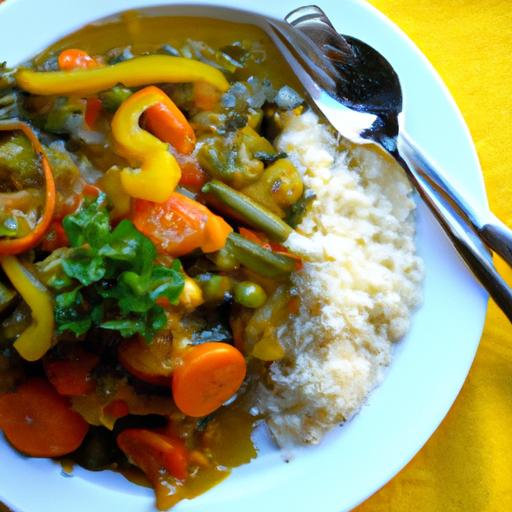


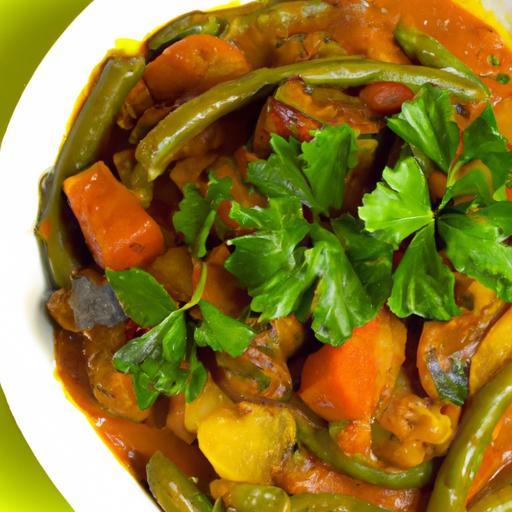
Stepping into the world of African vegetable curries is like embarking on a vibrant, aromatic journey that celebrates the continent’s rich tapestry of flavors and traditions. From the sun-kissed coasts of West Africa to the lush highlands of East Africa, these curries weave together an inviting medley of spices, fresh vegetables, and local ingredients, each telling a story of culture, history, and community. More than just a meal, African vegetable curries are a testament to the ingenuity and warmth found in every simmering pot-offering not only nourishment but a deep, flavorful connection to the land and its people. Join us as we explore the diverse and delectable world of African vegetable curries, uncovering the secrets behind their vibrant colors, tantalizing tastes, and the joyous spirit they bring to the table.
Savoring African vegetable curries unveils a world of vibrant colors, bold aromas, and deeply layered flavors that celebrate the continent’s rich agricultural heritage. These dishes, rooted in diverse regions from West to East Africa, highlight the enchanting interplay of indigenous vegetables like bitterleaf, amaranth, and okra with traditional spices and time-honored cooking techniques. embracing this fusion transforms a simple curry into a meaningful culinary journey, evoking the warmth of communal meals and the essence of festivity.
Prep and Cook Time
Preparation: 20 minutes
Cooking: 40 minutes
Total: 60 minutes
Yield
Serves 4 generous portions
Difficulty Level
Medium – perfect for adventurous home cooks eager to explore new flavors
Ingredients
- 2 tablespoons vegetable oil or palm oil
- 1 large onion, finely chopped
- 3 garlic cloves, minced
- 1 tablespoon fresh ginger, grated
- 2 teaspoons smoked paprika
- 1 teaspoon ground coriander
- 1 teaspoon turmeric powder
- 1/2 teaspoon cayenne pepper (adjust to taste)
- 1 tablespoon berbere spice blend (Ethiopian traditional spice) *
- 400g fresh okra, trimmed and halved
- 200g amaranth leaves or spinach, roughly chopped
- 1 medium sweet potato, peeled and cubed
- 1 can (400g) diced tomatoes
- 1 cup coconut milk
- 2 cups vegetable broth
- Salt, to taste
- Fresh cilantro or parsley for garnish
- Juice of half a lemon or lime
Instructions
- Heat the oil in a large heavy-bottomed pot over medium heat. Add the chopped onion and sauté until translucent and slightly caramelized, about 7 minutes, stirring frequently to prevent burning.
- Add the garlic and ginger, cooking for another 2 minutes until fragrant. Stir in the smoked paprika, coriander, turmeric, cayenne, and berbere spice blend. Toast the spices gently for 1-2 minutes to enhance their aroma-be careful not to burn.
- Introduce the sweet potato cubes, stirring to coat them in the spice mixture. Cook for about 5 minutes to start softening their texture.
- Pour in the diced tomatoes and cook until the mixture thickens slightly, about 8 minutes, stirring occasionally.
- Add the coconut milk and vegetable broth, bring to a gentle simmer.
- incorporate the okra and amaranth leaves. Cover and simmer for 15-20 minutes until the vegetables are tender but still vibrant. Stir occasionally to prevent sticking.
- season with salt and squeeze in fresh lemon or lime juice to brighten the flavors. Taste and adjust spice or acidity if needed.
- Remove from heat and let the curry rest for 5 minutes to allow flavors to meld beautifully before serving.
Chef’s Notes
- Berbere spice is foundational for authentic Ethiopian flavors but can be found at specialty spice shops or substituted with a blend of chili powder, fenugreek, and cinnamon.
- For a smokier taste, consider adding finely chopped smoked tomatoes or a dash of smoked sea salt.
- Amaranth leaves may be replaced with collard greens or kale, but adjust cooking time to avoid toughness.
- This curry can be made in advance; flavors intensify overnight and reheat beautifully.
- Use palm oil for a more traditional and earthy flavor, but vegetable oil works well for a milder palate.
Serving suggestions
Serve this lush African vegetable curry over steaming jollof rice or fluffy fufu for a complete experience. A side of injera flatbread or warm chapati beautifully soaks up the rich sauce. garnish with freshly chopped cilantro, a wedge of lime, and a sprinkle of toasted peanuts or cashews for added texture. A chilled glass of hibiscus tea or a light sorghum beer offers a refreshing balance alongside this robust dish.

| nutrient | Per Serving |
|---|---|
| Calories | 320 kcal |
| Protein | 7 g |
| Carbohydrates | 45 g |
| Fat | 12 g |
Discover More
For other delightful ways to incorporate traditional African flavors into your kitchen, explore our ultimate guide to african spice mixes. To deepen your understanding of berbere and its past meaning, visit the Encyclopaedia Britannica.
Q&A
Q&A: Savoring African Vegetable Curries – A Flavorful Journey
Q1: What makes African vegetable curries unique compared to other curries around the world?
A1: African vegetable curries are a vibrant fusion of indigenous ingredients and spices enriched by centuries of trade and cultural exchange. Unlike more cream-heavy or coconut-laden curries found elsewhere, these dishes often spotlight hearty, locally grown vegetables like okra, eggplant, and leafy greens, combined with bold spices such as berbere, harissa, and grains of paradise. The result? A complex, earthy flavor profile that’s both comforting and surprising.
Q2: Which regions in Africa are best known for their vegetable curry traditions?
A2: While curries appear across the continent, east African nations like Kenya, Tanzania, and Uganda are renowned for curries influenced by Indian and Arab traders, richly spiced and vegetable-forward.In West Africa, you’ll find stews and sauces blending curry spices with ingredients like peanuts and greens. South Africa’s Cape Malay communities also offer a distinct style of vegetable curries that balance sweetness and heat, reflecting their unique heritage.
Q3: What are some staple vegetables used in African vegetable curries?
A3: African vegetable curries celebrate nature’s bounty-think okra’s mucilaginous charm, eggplant’s meaty texture, sweet potatoes, collard greens, pumpkin, and tomatoes. These vegetables not only soak up the spices beautifully but provide nutritional richness and satisfying substance.
Q4: Can you describe the typical spice palette in an African vegetable curry?
A4: African curries often blend aromatic spices like cumin, coriander, turmeric, and cardamom with regional favorites such as berbere (a fiery Ethiopian mix), harissa (a spicy North african chili paste), smoked paprika, and even cinnamon for a subtle warmth. Garlic, ginger, and fresh chilies add layers of depth, transforming humble veggies into a symphony of taste.
Q5: How do African vegetable curries reflect the continent’s history and culture?
A5: These curries are edible stories of migration, trade, and cultural fusion. The introduction of spices from Asia via Arab traders, the influence of Indian indentured laborers, and indigenous cooking techniques all intertwine in these vibrant dishes. Each curry is a celebration of diversity, resilience, and the profound connection between people and their land.
Q6: Are African vegetable curries suitable for people with dietary restrictions?
A6: Absolutely! Many african vegetable curries are naturally vegan and gluten-free, relying on fresh produce and hearty spices rather than dairy or wheat-based thickeners.They’re perfect for those seeking nourishing, flavorful meals that honor plant-based traditions.
Q7: What are some must-try variations or recipes for someone new to African vegetable curries?
A7: beginners might start with a Kenyan Sukuma Wiki curry-a delightful spinach and tomato stew infused with garlic and onions. ethiopian atakilt Wat, featuring cabbage, carrots, and potatoes in a spiced berbere sauce, offers a warm introduction to East African flavors. For a sweet and spicy twist, South African pumpkin curry combines tender pumpkin chunks with curry powder and coconut milk, if desired.
Q8: How can one best enjoy African vegetable curries at home?
A8: Serve curries alongside staples like ugali (cornmeal porridge), injera (fermented flatbread), or fragrant basmati rice. Add fresh herbs, a squeeze of lemon or lime, and a side of pickled vegetables to elevate the experience. Sharing these meals in a communal setting honors the African tradition of eating together, turning dinner into a joyous celebration.
Embarking on a journey through African vegetable curries is more than a culinary adventure; it’s a passport to the continent’s heart and heritage, savoring every colorful, spicy bite.
Future Outlook
As your culinary journey through the vibrant world of African vegetable curries comes to a close, you’re left with more than just flavors dancing on your palate-you carry with you the rich stories, diverse ingredients, and time-honored traditions that make these dishes truly unforgettable. Each curry is a vibrant tapestry woven from local produce, aromatic spices, and the heart of communities across a continent bursting with life and culture. Whether you recreate these recipes in your kitchen or seek them out on your travels, savoring African vegetable curries invites you to experience a world where every bite tells a story, every spice sparks a memory, and every meal becomes a celebration of heritage and hospitality. So, go ahead-dive deeper, experiment boldly, and let the soulful flavors of Africa fill your table and your spirit.