

There’s a unique kind of magic that happens when simple ingredients sizzle together in a single pot, infusing every grain of rice with rich, savory flavor. Welcome to the world of Kamameshi-a beloved traditional Japanese dish that transforms humble rice and seasonings into a comforting, aromatic masterpiece. Literally meaning “kettle rice,” Kamameshi is more than just a meal; it’s a culinary ritual that captures the essence of Japanese home cooking. In this article, we’ll explore the history behind Kamameshi, uncover the secrets to its authentic preparation, and guide you step-by-step to crafting your own steaming pot of this timeless delicacy. get ready to savor every bite of tradition!
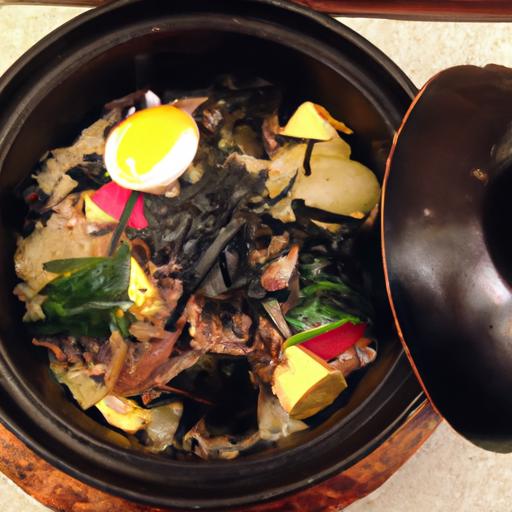
Savor Authentic Kamameshi and embark on a culinary journey steeped in tradition and cultural richness. This iconic Japanese rice pot dish, traditionally cooked in a small iron pot called a “kama,” offers a symphony of textures and flavors – tender rice infused with savory dashi, interwoven with seasonal ingredients like succulent chicken, fresh vegetables, and delicate mushrooms. Originating during the Taisho period, Kamameshi was initially an elegant feast for special occasions, but its comforting heartiness has made it beloved across Japanese households. My first taste was an unforgettable moment of finding-each bite warmed by the crisp-bottomed rice, or “okoge,” a treasured delicacy that imparts a slightly nutty aroma and satisfying crunch. With this recipe, you’ll find that crafting Kamameshi at home is not only approachable but also deeply rewarding, bringing authentic Japanese hospitality to your table.
Prep and Cook Time
- Preparation: 20 minutes
- Cooking: 45 minutes
- Total Time: 1 hour 5 minutes
yield
Serves 4 generous portions
Difficulty Level
Medium – Ideal for home cooks eager to master authentic Japanese rice techniques
Essential Ingredients for Crafting Perfect Kamameshi
- 2 cups Japanese short-grain rice, rinsed untill water runs clear
- 2 ½ cups dashi stock (homemade or high-quality instant)
- 150g boneless chicken thigh, cut into bite-sized pieces
- ½ cup shiitake mushrooms, sliced
- 1 carrot, julienned
- 1 small bamboo shoot, thinly sliced (optional)
- 2 tbsp soy sauce
- 1 tbsp mirin
- 1 tbsp sake
- 1 tsp sugar
- 2 tbsp finely chopped green onions for garnish
- Pickled ginger or shiso leaves, for serving
Step-by-Step guide to Mastering the Traditional Kamameshi cooking Technique
- Prepare the rice: Rinse the rice in cold water until the runoff becomes clear to remove excess starch.Drain thoroughly and soak the rice in fresh water for 30 minutes to ensure even cooking and fluffiness.
- combine the seasonings: In a bowl,mix the dashi,soy sauce,mirin,sake,and sugar. Stir until the sugar dissolves entirely.
- sauté the chicken and vegetables: Heat a heavy-bottomed pot or traditional kama over medium heat. Add a small drizzle of oil, then gently sauté the chicken pieces until lightly browned but not fully cooked, about 3-4 minutes. Add the carrot, shiitake mushrooms, and bamboo shoot, stirring for 2 minutes to awaken their aromas.
- Add rice and seasoning: Drain the soaked rice and add it to the pot, gently mixing with the chicken and vegetables. Pour in the seasoned dashi mixture evenly over the top.
- cook with a lid: Cover tightly with a heavy lid or foil and lid. Bring to a gentle boil over medium-high heat. Once boiling, reduce to low and simmer for 20 minutes without lifting the lid to allow the rice to absorb the liquid fully.
- rest for perfect texture: Turn off the heat and let Kamameshi rest, still covered, for an additional 10 minutes. This step is crucial for developing the prized “okoge”-the crispy golden crust at the bottom.
- Fluff and serve: Gently fluff the Kamameshi with a rice paddle, mixing the crispy bottom with the soft, steamed rice. sprinkle finely chopped green onions on top and serve promptly with pickled ginger or shiso leaves for brightness.
Tips for Serving and Pairing Kamameshi to Elevate Your Dining Experience
Kamameshi’s rustic charm pairs beautifully with light accompaniments. Offer a side of tangy tsukemono (Japanese pickles) to contrast the savory richness, and serve with a simple miso soup to round out the meal. For drinks, try a lightly chilled sake or a subtly fruity green tea; both lift the umami without overpowering it.
To create a memorable presentation, serve Kamameshi directly in the individual kama pots or rustic ceramic donabe bowls-inviting guests to savor the full sensory experience, including the delightful aroma that rises when the lid is first lifted. A sprinkling of toasted sesame seeds or a drizzle of yuzu-kosho paste adds unexpected layers of complexity for adventurous palates.
Chef’s Notes
- Rice choice: Use authentic short-grain Japanese rice for the right texture and stickiness; substitutions can compromise the signature Kamameshi mouthfeel.
- Dashi variations: Homemade dashi using kombu and bonito flakes enriches flavor immensely. For convenience,quality instant dashi powder works well.
- Ingredient swaps: Try seasonal vegetables like snap peas or kabocha squash. Swap chicken for seafood such as shrimp or scallops for a coastal twist.
- Make-ahead tip: You can prepare the seasoned stock and chopped ingredients in advance to streamline cooking on busy days.
- Cooking vessels: A heavy cast iron pot or ceramic donabe retains heat evenly, essential for developing the beloved crust without burning.
| Nutrient | per Serving |
|---|---|
| Calories | 420 kcal |
| Protein | 23 g |
| Carbohydrates | 60 g |
| Fat | 7 g |

For further exploration of classic Japanese rice dishes,check out our ultimate Guide to Japanese Rice Recipes.
Q&A
Q&A: Savor Authentic Kamameshi – A Traditional Japanese Rice Pot Recipe
Q1: What exactly is Kamameshi?
A1: Kamameshi (釜飯) translates to “kettle rice” and refers to a traditional Japanese dish where rice is cooked together with various savory ingredients in a small iron pot called a kama.Unlike plain steamed rice, Kamameshi is infused with rich flavors from dashi broth, soy sauce, and a colorful medley of meats, seafood, or vegetables – all coming together in a charming, rustic pot.
Q2: How is Kamameshi different from other Japanese rice dishes like Takikomi Gohan or Donburi?
A2: While Takikomi Gohan is also a seasoned mixed rice dish, it’s often cooked in a rice cooker or regular pot and served as a family-style dish. Donburi, on the other hand, is a bowl of rice topped with various ingredients. Kamameshi’s uniqueness lies in its traditional iron pot cooking method, which creates a delightful crispy crust of rice at the bottom, known as okoge, adding a textural dimension that stands out.
Q3: What ingredients are typically used in Kamameshi?
A3: Ingredients vary seasonally and regionally, but common additions include shiitake mushrooms, chicken, shrimp, bamboo shoots, chestnuts, ginkgo nuts, carrots, and burdock root. The rice is cooked in a savory broth made from dashi, soy sauce, sake, and mirin, allowing each grain to absorb umami-rich flavors.
Q4: Can I make Kamameshi at home without a traditional kama pot?
A4: Absolutely! Tho a kama pot enhances authenticity and allows for that coveted crispy rice, you can achieve similar results using a heavy-bottomed saucepan or a cast-iron pot with a tight-fitting lid. the key is slow, gentle cooking that locks in moisture while allowing the rice bottom to caramelize just right.
Q5: What’s the secret to the perfect Kamameshi crust?
A5: The magic lies in cooking the rice slowly over low heat and allowing it to sit quietly in the pot after cooking with the lid on. This resting period lets the rice at the bottom crisp up evenly without burning, creating okoge – the prized golden crust that offers a nutty flavor and satisfying crunch.
Q6: Is Kamameshi traditionally served individually or family-style?
A6: traditionally, Kamameshi is served in individual small pots, allowing each person to enjoy their personalized portion straight from the kama. This presentation not only keeps the dish warm but also adds to the intimate, homey experience of savoring each bite.
Q7: What occasions are best for serving Kamameshi?
A7: Kamameshi shines at special gatherings, seasonal celebrations, or simply as a comforting homemade meal. Its hearty ingredients and warming nature make it perfect for autumn and winter, when seasonal mushrooms and chestnuts are at their peak.
Q8: How can I creatively customize my Kamameshi?
A8: The beauty of Kamameshi is its versatility. Try swapping classic ingredients for local favorites-perhaps adding seafood like scallops or substituting vegetables based on season. Garnish with fresh mitsuba leaves, a sprinkle of toasted sesame seeds, or a touch of pickled ginger to elevate flavors and presentation.
Q9: what tips ensure my Kamameshi is flavorful and authentic?
A9: Use quality short-grain Japanese rice and rinse it thoroughly to remove excess starch. Prepare a rich dashi base using kombu and bonito flakes for umami depth. Don’t rush the cooking process-patience will reward you with perfectly tender rice and a luscious broth. Lastly, embrace the okoge; it’s Kamameshi’s signature charm!
Q10: Where can I experience authentic Kamameshi outside Japan?
A10: Many Japanese restaurants and specialty eateries abroad have started offering Kamameshi, frequently enough featuring seasonal variations. Look for places emphasizing traditional cooking methods or izakaya-style menus. For a truly immersive experience, cooking it yourself or attending a Japanese cooking workshop can be equally rewarding!
Savoring Kamameshi is more than a meal-it’s a journey into the heart of Japanese home cooking, where simple ingredients transform into a symphony of textures and flavors, all nestled in a humble iron pot. Ready to cook your own pot of tradition? Sprinkle some umami,stir in history,and enjoy every golden bite!
To Wrap It Up
As the final grains of kamameshi settle and the warm aroma lingers in your kitchen,you’ll realize that this humble rice pot is more than just a meal-it’s a celebration of tradition,simplicity,and the art of slow cooking. Embracing the authentic kamameshi recipe invites you to experience the harmony of flavors and textures that have been cherished in Japanese households for generations. So, next time you gather around the table, let the comforting essence of kamameshi remind you that sometimes, the most authentic tastes come from the patience and care simmered into every pot. happy cooking-and even happier savoring!