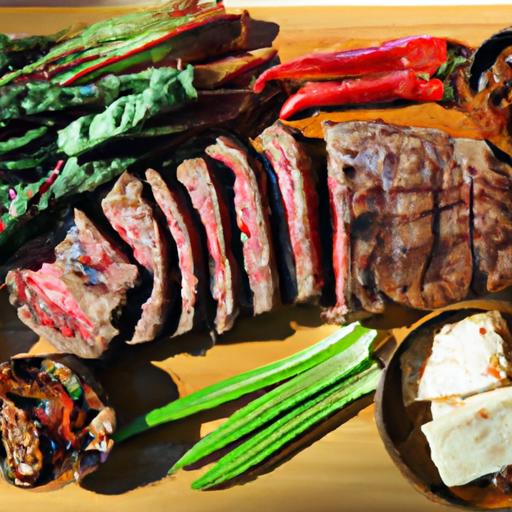
There’s something truly magical about the sizzle of short ribs on a grill, the rich aroma of soy and garlic weaving through the air, and the tender, flavorful bite that melts in your mouth. Welcome too the world of Kalbi Jim-korean-style braised short ribs that transform humble beef into a dish fit for royalty. Weather you’re a seasoned cook eager to explore authentic Korean flavors or a curious foodie ready to embark on a culinary adventure, mastering Kalbi Jim opens the door to a symphony of tastes, textures, and traditions. In this ultimate guide, we’ll unravel the secrets behind this beloved classic, from selecting the perfect cut of meat to achieving that irresistible balance of sweet, savory, and umami. Prepare to elevate your kitchen game and bring a piece of Korea’s rich cuisine right to your table.
Mastering Kalbi Jim unlocks the secret to transforming korean short ribs into a succulent, deeply flavorful masterpiece that warms the soul and commands the dinner table. This dish, with its origins steeped in Korean comfort food traditions, delivers a perfect fusion of savory, sweet, and umami notes courtesy of a meticulously balanced marinade and patient slow cooking.
Prep and Cook time
- Preparation: 30 minutes
- Marinating: At least 6 hours (preferably overnight)
- Cooking: 2 to 3 hours (slow simmer)
- Total Time: Approximately 3.5 to 4 hours
yield
Serves 4 generous portions
Difficulty Level
Medium – Requires attentive marinating and slow cooking,but approachable for dedicated home cooks
Ingredients
- 2 pounds Korean short ribs (flanken-cut across the bone,about 1/2 inch thick)
- 1/2 cup soy sauce (preferably Korean brewed soy sauce)
- 1/4 cup brown sugar (packed for richness)
- 1/4 cup mirin (sweet rice wine)
- 3 tablespoons minced garlic
- 1 tablespoon grated fresh ginger
- 1 medium onion,halved and thinly sliced
- 2 medium carrots,cut into chunks
- 2 stalks green onion,cut into 2-inch lengths
- 1 Asian pear,peeled and grated (for tenderizing)
- 1 tablespoon toasted sesame oil
- 1 teaspoon black pepper
- 2 cups beef broth (preferably homemade or low sodium)
- 1 dried red chili (optional for gentle heat)
instructions
- Prepare the marinade: In a large mixing bowl,combine soy sauce,brown sugar,mirin,minced garlic,grated ginger,grated Asian pear,toasted sesame oil,and black pepper. Whisk well until sugar dissolves.
- marinate the ribs: Add the Korean short ribs to the marinade, ensuring every piece is generously coated. Cover and refrigerate for at least 6 hours, ideally overnight, to maximize flavor infusion and tenderization.
- Sear the ribs: Heat a wide, heavy-bottomed pan or Dutch oven over medium-high heat. Remove ribs from marinade (reserve the marinade) and sear them for 2-3 minutes per side until beautifully browned. This step locks in those rich meaty flavors and adds caramelized depth.
- Add aromatics and liquid: To the pot, add sliced onion, carrots, green onions, and dried chili if using. Pour in the reserved marinade along with the beef broth. Stir gently to combine all elements evenly.
- Simmer low and slow: Bring the mixture to a gentle boil, then reduce heat to low, cover partially, and simmer for 2 to 3 hours.The ribs should become tender enough to fall off the bone, with the sauce thickened into a luscious glaze.Stir occasionally, adding a splash of water if it reduces too fast.
- Finish and rest: Remove the lid in the last 15 minutes to allow the sauce to reduce to a sticky richness. taste and adjust seasoning with a splash of soy sauce or a pinch of sugar if needed. Remove from heat and let it rest for 10 minutes before serving.
Tips for Success
- Choose the right cut: Flanken-cut short ribs sliced crosswise through the bone provide the ideal balance of meat and marrow, enhancing tenderness and richness.
- Marinate overnight: The secret to mastering Kalbi Jim lies in patient marination, allowing the Asian pear enzymes and aromatics to tenderize meat beautifully.
- Low and slow cooking: Don’t rush the simmering process; this melds flavors and ensures a melt-in-your-mouth texture.
- Option sweeteners: If Asian pear is unavailable, substitute with grated apple or a touch of pureed pineapple, but carefully monitor marinating time to prevent over-tenderizing.
- Make-ahead: Kalbi Jim tastes even better the next day-store leftovers refrigerated and reheat gently in a covered pan.
Serving Suggestions
Present kalbi jim with a sprinkle of toasted sesame seeds and freshly sliced green onions on top for vibrant color and aroma. Serve alongside steamed white rice or fragrant Korean sticky rice to soak up the rich sauce. Conventional sides like kimchi or lightly sautéed spinach can brighten the plate and contrast the deep flavors. For an elegant touch, add a garnish of thinly sliced fresh chili or a drizzle of sesame oil just before serving.

| nutrient | Per Serving |
|---|---|
| Calories | 420 kcal |
| Protein | 35 g |
| Carbohydrates | 15 g |
| Fat | 22 g |
For further depth on traditional Korean cuisine techniques, explore our comprehensive guide to Korean braising. additionally, learn more about the nutritional benefits of short ribs and slow cooking at healthline’s Beef Nutrition Facts.
Q&A
Q&A: Mastering Kalbi Jim – The ultimate Korean Short ribs Guide
Q1: What exactly is Kalbi Jim?
A: Kalbi Jim,also known as Korean braised short ribs,is a soulful,savory dish where tender beef short ribs are slow-cooked to perfection in a rich,flavorful sauce. Unlike the popular grilled Kalbi, Kalbi Jim focuses on deep, comforting aromas and melt-in-your-mouth texture, making it a beloved winter delicacy in Korea.Q2: What makes Kalbi Jim different from Korean BBQ short ribs?
A: while both dishes celebrate marinated short ribs, Korean BBQ Kalbi is grilled over high heat for a smoky, charred bite. Kalbi Jim, on the other hand, braises the ribs gently in a sweet and savory soy-based sauce infused with garlic, ginger, and sometimes fruits like Korean pears for natural sweetness. the result? A tender, fall-off-the-bone experience that’s rich and warming.
Q3: What are the essential ingredients for an authentic kalbi Jim?
A: The star ingredient is, of course, beef short ribs. Beyond that, key players include soy sauce (preferably Korean brewed), garlic, ginger, brown sugar or honey, Asian pear (for sweetness and tenderizing), sesame oil, and sometimes chestnuts or jujubes for traditional flair. A splash of rice wine (mirin or sake) elevates the dish with subtle complexity.
Q4: How do you choose the best short ribs for Kalbi Jim?
A: Look for ribs with good marbling and meat that’s thick enough to stay juicy during the long braise but not so big they take forever to cook. Flanken-style ribs (cut across the bone in thin strips) are common for grilling but thicker English-cut ribs work best for Kalbi Jim to keep all the luscious juices inside.Q5: What’s the secret to perfectly tender Kalbi Jim?
A: Patience is key-slow and low is the game. Simmering your short ribs for at least 1.5 to 2 hours gently breaks down collagen, rendering the meat tender and the broth rich. Additionally, marinating the ribs overnight lets the flavors fully permeate and the pear enzyme tenderizes the meat naturally.
Q6: Can kalbi Jim be customized for different tastes or dietary needs?
A: Absolutely! You can add veggies like carrots, radishes, and mushrooms to soak up the braising sauce. For a spicy kick, toss in some Korean chili flakes (gochugaru) or fresh chili peppers. For a lighter version, reduce sugar and use low-sodium soy sauce. While beef is traditional, some experiment with pork ribs for a twist, although it alters the classic flavor profile.
Q7: How is kalbi Jim traditionally served?
A: Kalbi Jim is often plated with a side of steamed white rice and banchan (Korean side dishes) like kimchi, pickled radish, and seasoned spinach. The juicy ribs are ideal for sharing, making it a festive centerpiece perfect for family meals and special occasions.
Q8: Any tips for plating and presentation?
A: Showcase those glossy, caramelized ribs nestled in a pool of thick, dark sauce. Garnish with chopped scallions, toasted sesame seeds, or thin strips of egg garnish (jidan) for color contrast. Serve in a rustic earthenware pot to honour its hearty, home-cooked roots and elevate the dining experience.
Q9: Where can beginners stumble when making kalbi Jim?
A: Common pitfalls include rushing the cooking process-under-cooked ribs are tough and flavorless-and skimping on marination, which dulls the dish’s depth. Also, be mindful with seasoning; balance the soy and sugar carefully to avoid overpowering saltiness or cloying sweetness.
Q10: Why should every food lover try mastering Kalbi Jim?
A: Beyond its luscious taste and satisfying texture, kalbi Jim is a culinary journey into Korean culture’s heart. Mastering this dish means embracing tradition, patience, and the art of transforming simple ingredients into a celebration of flavor that warms both body and soul. It’s comfort food elevated, a masterpiece that invites you to slow down and savor every bite.
Mastering Kalbi Jim is more than cooking-it’s an experience, a way to connect with one of Korea’s most cherished dishes. Ready your ribs, summon your patience, and get ready to feast on tender, fragrant Korean bliss!
Final Thoughts
As you unlock the rich flavors and time-honored techniques behind Kalbi Jim, you’re not just cooking a dish-you’re embracing a vibrant chapter of Korean culinary heritage. From selecting the perfect cut of short ribs to mastering the balance of savory, sweet, and umami in your marinade, every step brings you closer to that melt-in-your-mouth perfection. So gather your ingredients, ignite your passion for authentic cooking, and let Kalbi Jim transform your kitchen into a gateway of tradition and taste. with this ultimate guide in hand, you’re well on your way to mastering a Korean classic that’s sure to impress at every table.