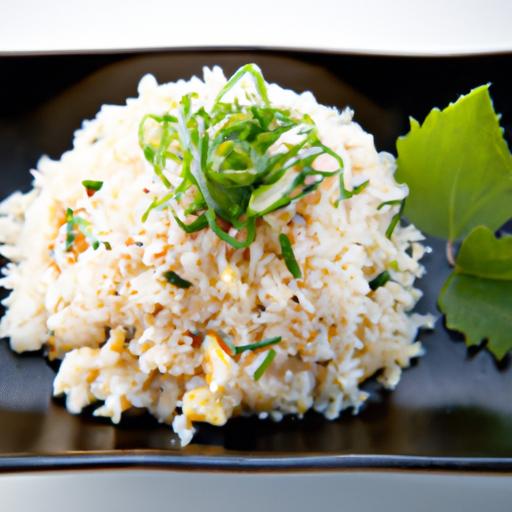
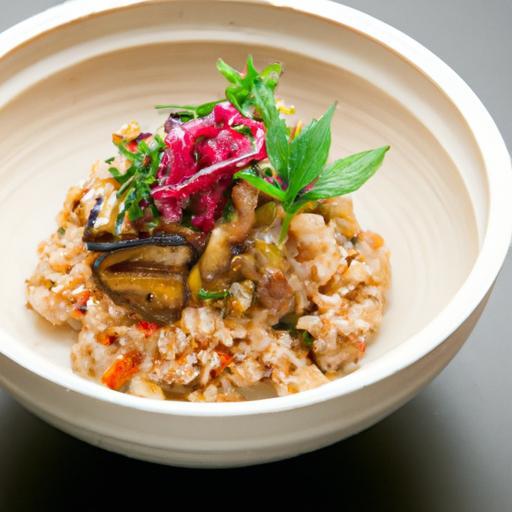
In the vast and vibrant world of Japanese cuisine,few dishes capture the essence of home-cooked comfort and seasonal charm quite like Takikomi gohan. This humble yet harmonious seasoned rice dish is more than just a meal-it’s a culinary story woven with fragrant ingredients, simmered to perfection, and steeped in tradition. As we embark on a flavorful journey into Takikomi Gohan, we’ll uncover how simple grains transform when embraced by the subtle umami of soy sauce, dashi, and an array of fresh vegetables, mushrooms, and proteins. Join us as we delve into the art and history behind this beloved dish, revealing why Takikomi Gohan remains a timeless symbol of nourishment and the delight found in every seasoned bite.
Takikomi Gohan is a harmonious blend of fragrant rice gently simmered with a medley of traditional Japanese ingredients, delivering an earthy, savory symphony that warms the soul. This classic dish offers an inviting canvas where each element-from the umami-rich dashi broth to the subtle sweetness of mirin-plays a vital role in building layers of flavor. My frist encounter with Takikomi Gohan was during a crisp autumn visit to my grandmother’s home, where the aroma alone transported me to a place of cherished comfort and culinary artistry.Today, I’m excited to guide you through the exquisite balance and artistry behind this beloved seasoned rice, ensuring your home-cooked version bursts with authenticity and depth.
The Art of Balancing Flavors in Takikomi Gohan
Central to mastering Takikomi Gohan is understanding the delicate interplay of its foundational ingredients. Dashi, the umami-packed Japanese soup stock, acts as the flavor’s cornerstone, infusing the rice with subtle oceanic notes.Complemented by soy sauce and mirin, the dish achieves a refined savory-sweet balance that enhances without overpowering. incorporating earthy mushrooms like shiitake and crunchy burdock root introduces a satisfying textural contrast, while aromatic elements such as ginger and scallions contribute shining, uplifting hints.
Prep and Cook Time
- Readiness: 15 minutes
- Cooking: 45 minutes
- Total Time: 1 hour
Yield
- 4 servings
Difficulty Level
- Medium – perfect for cooks ready to explore authentic Japanese home cooking
Ingredients
- 2 cups Japanese short-grain rice, rinsed and drained
- 2 1/4 cups dashi broth (homemade or high-quality store-bought)
- 4 dried shiitake mushrooms, rehydrated and sliced
- 1/2 cup carrot, julienned
- 1/4 cup burdock root (gobo), thinly sliced and soaked to remove bitterness
- 100g chicken thigh, cut into bite-sized pieces (optional)
- 3 tbsp soy sauce
- 2 tbsp mirin
- 1 tbsp sake
- 1 tsp grated fresh ginger
- 1 tbsp vegetable oil
- 2 scallions, thinly sliced for garnish
- Sesame seeds for garnish (optional)
Instructions
- Prepare the rice: Rinse the rice in cold water until the runoff becomes clear. Drain and let it rest for 30 minutes to an hour for even cooking.
- Sauté the ingredients: Heat vegetable oil in a heavy-bottomed pan over medium heat.Add the chicken, if using, and cook until browned on all sides, about 3-4 minutes.
- Add vegetables and aromatics: Stir in the sliced shiitake mushrooms, carrots, burdock root, and grated ginger. Sauté until the vegetables are slightly softened, about 5 minutes, stirring frequently.
- combine seasonings with broth: Pour the dashi broth into the sautéed ingredients along with soy sauce, mirin, and sake. Stir gently and bring to a simmer.
- Cook with rice: Transfer the rinsed rice into a rice cooker or heavy pot, then pour the broth and vegetable mixture over it.Mix gently to evenly distribute, taking care not to mash the rice.
- Simmer: Cook the rice according to your rice cooker’s “mixed rice” setting or, if on the stovetop, bring to a boil, reduce heat to low, cover, and cook for 15 minutes. Let stand, covered, for another 10 minutes to allow flavors to meld.
- Fluff and serve: Using a rice paddle, gently fluff the Takikomi Gohan to mix the ingredients evenly. Serve warm, garnished with sliced scallions and sesame seeds for texture and color contrast.
Tips for Success
- Ingredient substitutions: Replace chicken with firm tofu or omit for a vegetarian version-adjust soy sauce to taste for added saltiness.
- Broth advice: Homemade dashi made from kombu and bonito flakes yields the richest umami but high-quality packaged dashi granules work well for convenience.
- Rice rinsing: Thoroughly rinsing and soaking rice is critical for achieving the ideal fluffy yet sticky texture integral to authentic Takikomi Gohan.
- Make-ahead: Prepare the ingredient sauté the night before; store in the fridge and add directly when cooking rice to save time on busy days.
- Adjust seasoning: Taste the broth before adding to rice; adjust soy sauce and mirin according to your preferred balance of savory and sweet.
Elevating Takikomi Gohan with Fresh Toppings and Side Pairings
To create a truly memorable meal, enhance this seasoned rice with vibrant toppings such as shredded nori, pickled ginger, or a sprinkle of toasted sesame seeds. Freshly steamed edamame or a crisp cucumber and wakame seaweed salad bring refreshing contrasts, while a side of miso soup anchors the dish in classic japanese tradition. For a protein boost, pan-seared salmon or tamagoyaki (Japanese rolled omelette) are excellent accompaniments.
| Nutrient | Per Serving |
|---|---|
| Calories | 330 kcal |
| Protein | 12 g |
| Carbohydrates | 50 g |
| Fat | 6 g |

For deeper insight on Japanese rice cooking techniques and dashi preparation, visit Japanese Cooking 101. To explore more wholesome Japanese rice dishes,check out my article on Claypot Rice: Authentic Flavors Indoors.
Q&A
Q&A: Takikomi Gohan – A Flavorful Journey into Seasoned Rice Bliss
Q1: What exactly is takikomi Gohan?
A1: Takikomi Gohan is a traditional Japanese dish where rice is cooked together with a medley of flavorful ingredients like vegetables, mushrooms, seafood, or meat, all simmered in seasoned broth.The result is a harmonious blend of textures and tastes-each grain infused with umami-rich goodness.
Q2: How does Takikomi gohan differ from plain steamed rice or other Japanese rice dishes?
A2: Unlike plain steamed rice that tastes neutral and accompanies other dishes, Takikomi Gohan is a complete flavor experience in itself. It absorbs the essence of soy sauce, dashi, mirin, and the ingredients cooked within it, making every bite deeply savory and aromatic.
Q3: What are the traditional ingredients typically used in Takikomi Gohan?
A3: Classic Takikomi Gohan often includes ingredients such as shiitake mushrooms,carrots,burdock root (gobo),chicken,aburaage (fried tofu),and seasonal vegetables-all chopped and layered into the pot before cooking.
Q4: Is Takikomi Gohan difficult to make at home?
A4: Not at all! It’s approachable even for kitchen novices. Simply rinse your rice,add your choice of finely chopped ingredients,season with dashi,soy sauce,and mirin,then let your rice cooker or pot work its magic. The key is balancing flavors and cooking everything together for that perfect meld.
Q5: Can Takikomi Gohan be customized to suit dietary preferences or seasonal produce?
A5: Absolutely! Part of Takikomi Gohan’s charm is its adaptability. Vegetarians can substitute mushrooms and vegetables for meat, and seasonal items like bamboo shoots in spring or chestnuts in autumn can elevate the dish with fresh regional twists.
Q6: What cultural significance does Takikomi Gohan hold in Japan?
A6: More than just nourishment, Takikomi Gohan is a festivity of seasons and simplicity. It’s often enjoyed during autumn harvest or festive occasions,symbolizing gratitude for nature’s bounty. Sharing a steaming bowl together connects families and friends in warmth and tradition.
Q7: Any tips for enjoying Takikomi Gohan to the fullest?
A7: Serve it warm, paired with light pickles or miso soup to compliment its rich flavors. experiment with adding a sprinkle of toasted sesame seeds or freshly chopped green onions just before eating to add texture and freshness. Most importantly, savor it slowly-it’s a cozy journey packed in each mouthful.
In Conclusion
As our flavorful journey into the world of takikomi Gohan comes to a close, we’re reminded that this humble seasoned rice is much more than just a side dish-it’s a celebration of seasonality, culture, and comfort all nestled in a single pot.Each grain tells a story of tradition, infused with the earthy embrace of mushrooms, the subtle sweetness of soy, and the fragrant whispers of herbs and vegetables. Whether you’re a seasoned chef or a curious foodie, Takikomi Gohan invites you to slow down, savor simplicity, and discover the profound joy that a well-crafted bowl of rice can bring. So next time you crave a warm hug for your taste buds, let this rich tapestry of flavors guide you home.