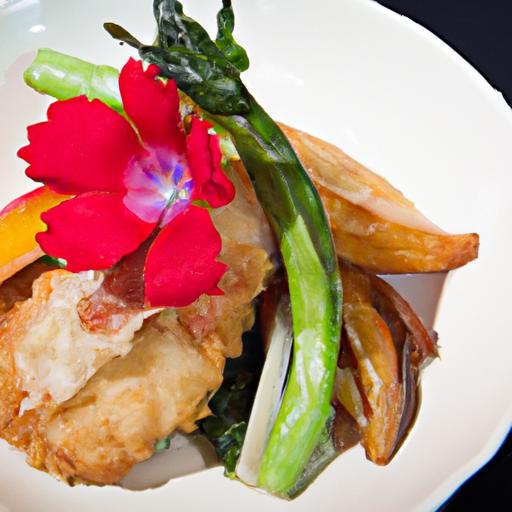
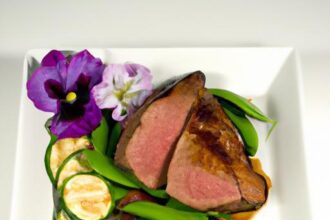
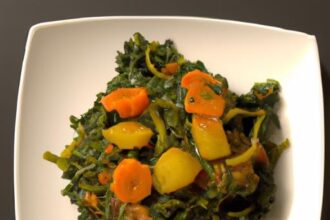
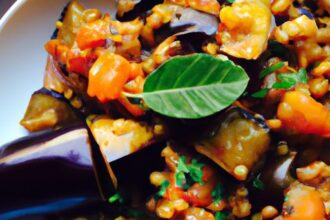
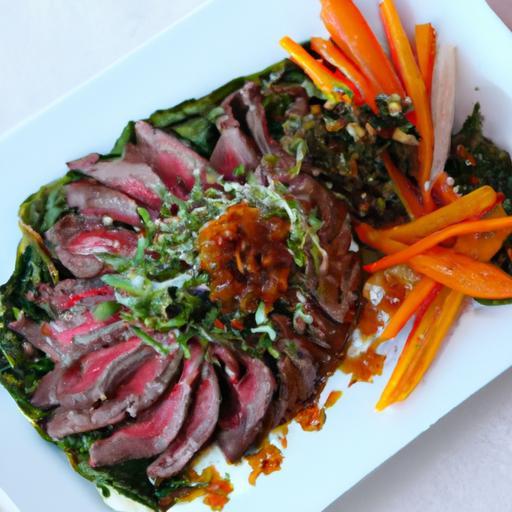
Korean Marinades are the heart of authentic Korean cuisine, and Korean Marinades transform cooking into a sensory experience. Built on balance, Korean Marinades blend soy, garlic, sesame, and spice, while Korean Marinades deliver depth and richness. From bulgogi to galbi, Korean Marinades define iconic dishes, and Korean Marinades elevate simple ingredients into unforgettable flavors. Exploring Korean Marinades reveals tradition, technique, and taste working in harmony.
Mastering Korean Marinades begins with understanding how Korean Marinades enhance absorption and tenderness. Rooted in history, Korean Marinades combine sweet, salty, umami, and heat, making Korean Marinades essential for layered flavor. Whether grilling or braising, Korean Marinades improve every bite, and Korean Marinades turn ordinary proteins into bold creations. Ultimately, Korean Marinades remain the foundation of powerful, authentic Korean cooking.
prep and Cook Time
- Preparation: 15 minutes
- Marinating: 30 minutes to overnight (recommended 6 hours)
- Cooking: 10-15 minutes
- Total Time: Approximately 7 hours (including marinating)
Yield
- Serves 4 generously
Difficulty Level
- Medium – perfect for adventurous home cooks ready to explore authentic Korean flavors
Ingredients
- 1/2 cup soy sauce (preferably Korean ganjang for authentic depth)
- 3 tbsp brown sugar (for caramelized sweetness)
- 2 tbsp toasted sesame oil (brings nutty warmth)
- 1/4 cup grated Asian pear (natural tenderizer and subtle sweet fruitiness)
- 4 cloves garlic, minced (aromatic backbone)
- 1 tbsp finely grated ginger (adds luminous, spicy complexity)
- 2 stalks green onions, thinly sliced (fresh onion bite)
- 1 tsp Korean red pepper flakes (gochugaru) (optional, for mild smoky heat)
- 1 tbsp rice wine or mirin (helps tenderize and adds a slight tang)
- 1 tsp black pepper (for subtle earthiness)
Instructions
- Combine the liquid ingredients: In a medium bowl, whisk together the soy sauce, brown sugar, toasted sesame oil, and rice wine until the sugar dissolves, creating a glossy, balanced base.
- Add fresh aromatics: Stir in the grated Asian pear, minced garlic, grated ginger, and sliced green onions. These fresh elements layer brightness over the deep umami.
- Season: Sprinkle in the gochugaru and black pepper. Adjust the quantity of red pepper flakes to your desired spice tolerance. Mix thoroughly.
- Prepare your protein: Choose thinly sliced beef, chicken, or tofu. Pat dry for better marinade absorption.
- Combine and marinate: Submerge your protein fully in the marinade within a non-reactive container or ziplock bag. For best penetration, gently massage the marinade into the meat, then cover or seal.
- Rest and absorb: Refrigerate for a minimum of 30 minutes, preferably 6 hours or overnight. This slow marinade journey deepens flavor and tenderizes the protein evenly.
- Cook: Grill, pan-fry, or broil your marinated ingredients over medium-high heat. Sear until caramelized edges form,about 3-5 minutes per side,ensuring juices lock inside.
- Finish and serve: Garnish with toasted sesame seeds and freshly chopped scallions for an extra burst of texture and color.
Tips for Success
- Asian Pear Substitution: If unavailable, use ripe apple or kiwi as a tenderizer, but note the flavor profile will shift slightly.
- Marinating Time: Avoid overly long marination beyond 24 hours, which can over-soften delicate proteins, especially fish or tofu.
- Balancing Sweetness: Adjust brown sugar according to your taste; organic honey or maple syrup also work as natural sweeteners.
- Maximize Absorption: Score thicker cuts lightly with a sharp knife to help the marinade penetrate deeply.
- Make-Ahead: The marinade keeps well refrigerated for up to 3 days; prepare in larger batches for rapid weeknight meals.
Serving Suggestions
Present this marinade’s magic atop a bed of steamed jasmine rice or wrapped in crisp lettuce leaves for the classic ssam experience. Complement with traditional banchan such as kimchi and pickled radish for a vibrant palette of flavors. for modern flair,serve alongside grilled vegetables or atop warm noodles tossed with sesame oil and scallions. The rich, glossy coating created by this marinade is perfect for garnishing with a sprinkle of toasted sesame seeds and finely sliced fresh chili for a pop of color and crunch.

| Nutritional Info (per serving) | Amount |
|---|---|
| calories | 320 kcal |
| Protein | 28 g |
| Carbohydrates | 12 g |
| fat | 15 g |
For deeper insights into Korean culinary traditions, explore our Korean BBQ techniques post. To learn about the history and health benefits of fermented soy-based products like soy sauce, visit ScienceDaily’s fermentation overview.
Q&A
Q&A: Unlocking Flavor – The Art of Korean Marinades Explained
Q1: What makes Korean marinades so uniquely flavorful?
A1: korean marinades are a symphony of balance-sweet, savory, spicy, and umami notes all play in harmony.Ingredients like soy sauce,garlic,sesame oil,gochujang (Korean chili paste),and sugar work together to tenderize the meat while infusing it with deep,layered flavor.It’s this thoughtful blend that transforms simple proteins into mouthwatering masterpieces.
Q2: How do Korean marinades differ from other asian marinades?
A2: While many Asian marinades emphasize soy and garlic, Korean versions stand out for their bold integration of fermented elements like doenjang (soybean paste) and gochujang, plus natural sweeteners such as honey or Korean pear. This adds complexity and a slight tang, elevating the marinade beyond salty or spicy into a multi-dimensional experience.
Q3: Why is marinating time critically important in Korean cooking?
A3: Marinating is both art and science in Korean cuisine. Short marinades (30 minutes to an hour) infuse delicate flavors into thin cuts like bulgogi, while longer marinating (several hours or overnight) allows tougher cuts, such as galbi ribs, to become tender and richly flavored. The time factor ensures the marinade penetrates deeply, enhancing texture and taste.
Q4: Can Korean marinades be used for vegetables or tofu?
A4: Absolutely! Korean marinades aren’t just for meats.Thay add irresistible flavor to grilled vegetables, tofu, and even mushrooms. The sweet and savory notes caramelize beautifully when cooked, turning plant-based dishes into vibrant, flavour-packed delights.
Q5: What role does fermentation play in Korean marinades?
A5: Fermentation is a cornerstone of Korean flavor. Ingredients like gochujang and doenjang come from fermented processes, imparting rich umami and slight tanginess to the marinade. This fermented depth distinguishes Korean marinades, making them taste both familiar and intriguingly complex.
Q6: How can I create an authentic Korean marinade at home?
A6: Start with a base of soy sauce and sesame oil. Add minced garlic, grated ginger, a touch of sugar or honey, sliced green onions, and a spoonful of gochujang or fermented soybean paste for that signature kick. For sweetness and tenderizing power, incorporate grated Korean pear or apple if available. Mix, marinate your choice of protein, and let the magic happen.
Q7: What dishes benefit most from Korean marinades?
A7: Classics like bulgogi (thinly sliced marinated beef), galbi (marinated short ribs), and dak galbi (spicy marinated chicken) owe their amazing taste to these marinades. But don’t overlook grilled fish,pork belly,or even baked tofu-each becomes a canvas for bold Korean flavors.
Q8: Any tips for beginners experimenting with Korean marinades?
A8: start simple and taste as you go. Balancing saltiness with sweetness and spice is key. Remember, less can be more-marinate with intention but avoid overpowering delicate ingredients. And don’t rush the process; time lets flavors deepen and textures soften,unlocking the full essence of Korean cuisine.
Future Outlook
As you embark on your own culinary journey through the vibrant world of korean cuisine, remember that marinades are more than just mixtures of ingredients-they are the bridge between raw elements and rich, unforgettable flavors. Unlocking the art of Korean marinades invites you to explore the delicate balance of sweet, savory, spicy, and umami notes that define this beloved tradition. Whether you’re grilling bulgogi, braising galbi, or simply seasoning vegetables, mastering these marinades will elevate your dishes from ordinary to exceptional. So, embrace the alchemy of soy, garlic, sesame, and chili, and let each marinade tell a story of heritage, harmony, and mouthwatering delight. Your taste buds are ready-are you?