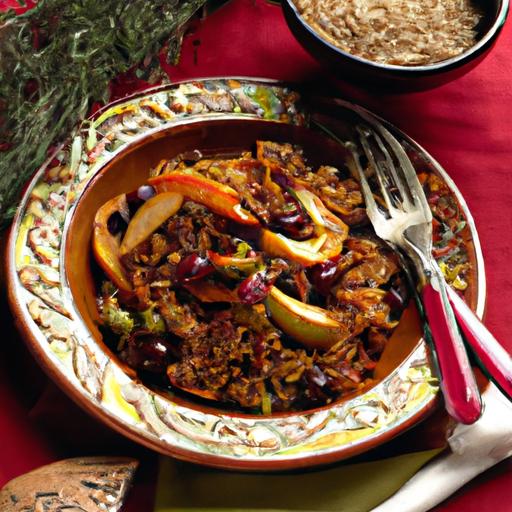

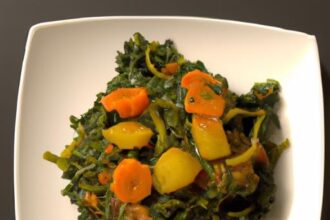
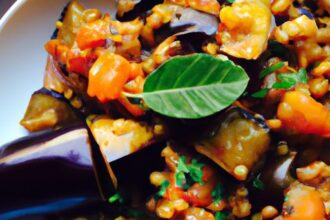
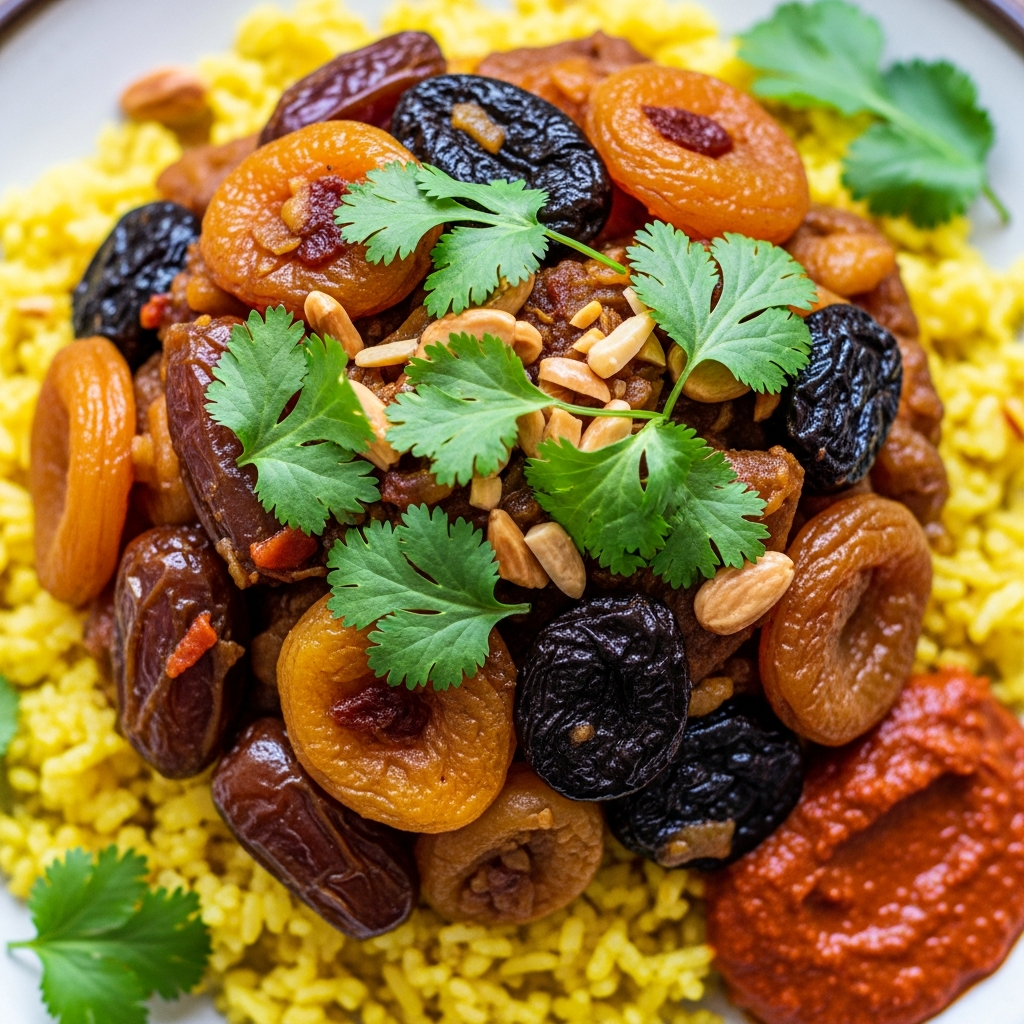
In the enchanting world of Moroccan cuisine, the tagine stands as a symbol of slow-cooked perfection, where fragrances mingle and flavors unfold in a warm, earthen embrace. Among its many variations, dried fruit tagines hold a special place, weaving together the sweet whispers of apricots, dates, and figs with the savory richness of tender meats and aromatic spices. This culinary dance of contrasts-sweet and savory-invites home cooks and food lovers alike to explore a tapestry of tastes that balance tradition with creativity. In this article, we’ll journey through the art of mastering dried fruit tagine recipes, uncovering tips, techniques, and secrets to transform humble ingredients into a vibrant festivity of flavour. Get ready to awaken your senses and bring a touch of Moroccan magic to your kitchen.
Sweet & Savory: Mastering Dried Fruit Tagine Recipes
Sweet & Savory: Mastering Dried Fruit Tagine Recipes unlocks the exquisite world of Moroccan cooking where the harmonious dance between tart, sugary dried fruits and fragrant spices transforms humble ingredients into a celebration of flavor. Originating from North Africa’s heart, the tagine is a slow-cooked stew heralded for its tender meats and complex layers of taste. Incorporating dried fruits into your tagine infuses it with a natural sweetness and chewy texture that perfectly balances warm spices like cinnamon, cumin, and ginger. Whether you’re a seasoned cook or trying a tagine for the first time, selecting the right dried fruits can elevate your dish to unforgettable heights.
Prep and Cook Time
- Planning: 20 minutes
- Cooking: 1 hour 30 minutes
- Total: 1 hour 50 minutes
Yield
Serves 6 generous portions
Difficulty Level
Medium – perfect for adventurous home cooks ready to explore complex spice blends and slow cooking techniques
Ingredients
- 2 lbs (900g) bone-in lamb shoulder or chicken thighs, trimmed
- 1 large onion, finely sliced
- 3 cloves garlic, minced
- 1 cup dried apricots, halved
- 1 cup dried prunes (pitted)
- ½ cup golden raisins
- 1 teaspoon ground cinnamon
- 1 teaspoon ground cumin
- ½ teaspoon ground ginger
- ½ teaspoon turmeric
- 1 teaspoon smoked paprika
- 1 teaspoon freshly ground black pepper
- Salt to taste
- 2 tablespoons olive oil
- 2 cups chicken or vegetable broth, warm
- 1 tablespoon honey
- 1 lemon (zested and juiced)
- Fresh cilantro and toasted almonds, for garnish
Instructions
- Heat olive oil in a heavy-bottomed tagine or large dutch oven over medium heat. Add the lamb or chicken pieces and brown all sides until golden, about 6-8 minutes. Remove and set aside.
- Sauté the sliced onions in the same pot until translucent and fragrant,about 5 minutes,stirring occasionally to avoid burning.
- Add the minced garlic and spices (cinnamon, cumin, ginger, turmeric, smoked paprika, black pepper). Cook for another 2 minutes, allowing the spices to bloom and release their aromas.
- Return the meat to the pot and stir to coat with the spiced onion mixture.
- Pour in the warm broth, add the honey, lemon zest, and lemon juice.Bring to a gentle simmer, then reduce heat to low and cover the pot.
- Cook slowly for 1 hour, occasionally basting meat with the cooking liquid to keep it moist and tender.
- After 1 hour, carefully stir in the dried apricots, prunes, and golden raisins. Cover and continue cooking for an additional 30 minutes until the fruit is plump and the meat is tender enough to pull apart with a fork.
- Adjust seasoning with salt and pepper to taste.
- Serve hot, garnished with freshly chopped cilantro and toasted almonds for crunch.
Tips for Success
- Choosing Your Dried Fruits: Opt for high-quality, unsweetened dried fruits for authentic sweetness that won’t overpower the savory spices.
- Soak Fruits Ahead: For extra tenderness, soak apricots and prunes in warm water or tea for 20 minutes before adding to the tagine.
- Balanced Sweetness: If your fruits are very sweet, reduce added honey slightly to avoid cloying flavors.
- Substitutions: Dates or figs make excellent alternatives for added depth and sweetness.
- Slow Cooking: Cooking on low heat ensures the meat becomes meltingly tender while the flavors marry beautifully.
- Make-Ahead: tagines often taste better the next day as the flavors deepen.Prepare in advance and gently reheat.
Serving Suggestions
Presentation is key to impressing your guests! Serve your tagine atop fluffy couscous or aromatic saffron rice to soak up the rich sauce. Add a side of roasted vegetables, such as carrots and zucchini, for color and texture contrast. Garnishing with fresh cilantro and crunchy toasted almonds adds brightness and a satisfying crunch. For an extra touch, offer a dollop of cool, creamy yogurt or a vibrant harissa sauce on the side to introduce a subtle tang or heat.
| Nutrition (per serving) | Amount |
|---|---|
| Calories | 420 |
| Protein | 38g |
| Carbohydrates | 32g |
| Fat | 18g |
Explore more about Moroccan spices to enhance your culinary skills and complement your tagine perfectly. For detailed insight into the nutritional benefits of dried fruits, check out this authoritative resource from The British nutrition Foundation.

Q&A
Q&A: Sweet & Savory – Mastering Dried Fruit Tagine Recipes
Q1: What exactly is a tagine, and why is it the perfect vessel for cooking with dried fruits?
A: A tagine is a traditional North African clay pot with a conical lid designed to circulate steam and lock in moisture. This slow-cooking technique allows the natural sugars in dried fruits to melt and mingle with savory spices, creating a luscious, multi-dimensional flavor profile. The magic happens as the savory meets the sweet, simmering gently into a harmonious blend that’s unfeasible to replicate with other cookware.
Q2: Which dried fruits work best in tagine recipes?
A: Apricots, prunes, figs, dates, and raisins are the stars of the show. Each brings its own unique sweetness and texture: apricots add a bright tanginess, prunes offer a rich, deep flavor, figs lend a chewy complexity, dates provide caramel-like sweetness, and raisins infuse subtle bursts of juiciness. Mixing these fruits unlocks layers of taste that elevate the dish beyond mere sweetness.
Q3: How do dried fruits enhance the savory elements of a tagine?
A: Dried fruits counterbalance bold spices-cumin, cinnamon, ginger, coriander-and earthy ingredients like lamb or chicken. As they cook, their sugars caramelize and soften, creating a natural sauce that mellows acidity and heat.This interplay tempers the savory intensity, adding a luscious depth and tantalizing sweetness without overpowering the dish.
Q4: Can tagines accommodate dietary preferences, such as vegetarian or gluten-free diets?
A: Absolutely! Tagines are incredibly versatile. For vegetarian options, combine hearty vegetables like root veggies, chickpeas, and squash with dried fruits and aromatic spices for a comforting, nutrient-packed feast. Since tagines are naturally gluten-free, they align perfectly with gluten-free diets too-just serve alongside rice, quinoa, or gluten-free flatbreads.
Q5: What tips can help someone master the balance of sweet and savory in their dried fruit tagine?
A: Start with a small handful of dried fruit-remember,a little sweetness goes a long way. Toast your spices first to release fragrance,and add fruits midway through cooking to prevent them from turning mushy. Taste frequently: adjust spices, acidity (with a splash of lemon or vinegar), and sweetness as you go. Embrace patience; the flavors deepen the longer you cook, rewarding you with that signature tagine richness.
Q6: How can one creatively serve and garnish a dried fruit tagine for an impressive presentation?
A: Present your tagine straight from the pot for rustic charm, or transfer to a vibrant serving dish. Garnish with toasted almonds or pine nuts for crunch, sprinkle fresh herbs like cilantro or parsley to brighten, and add a drizzle of honey or a scattering of pomegranate seeds to amplify the sweet-savory contrast. Complement with fluffy couscous or crusty bread to soak up the luscious sauce.
Q7: Any final thoughts for home cooks eager to dive into dried fruit tagines?
A: Embrace the storytelling nature of tagines-they’re more than a recipe; they’re an invitation to savor tradition and texture, spice and sweetness. let your curiosity guide ingredient choices, relish the slow conversion of flavors, and know that mastering this dish is a delicious journey with a truly rewarding destination.
Closing Remarks
As the rich aromas of cinnamon, ginger, and tender dried fruits linger in your kitchen, you’ll find that mastering dried fruit tagine recipes is more than just cooking-it’s an embrace of tradition, culture, and a symphony of flavors that dance between sweet and savory.each tagine tells a story, inviting you to explore textures and tastes that elevate everyday ingredients into something truly extraordinary. So, whether you’re simmering apricots, prunes, or dates in a fragrant broth or pairing them with hearty meats and spices, you’re not just creating a dish-you’re crafting an experience that celebrates the art of moroccan cuisine. Let your culinary adventures continue to unfold, one luscious tagine at a time.