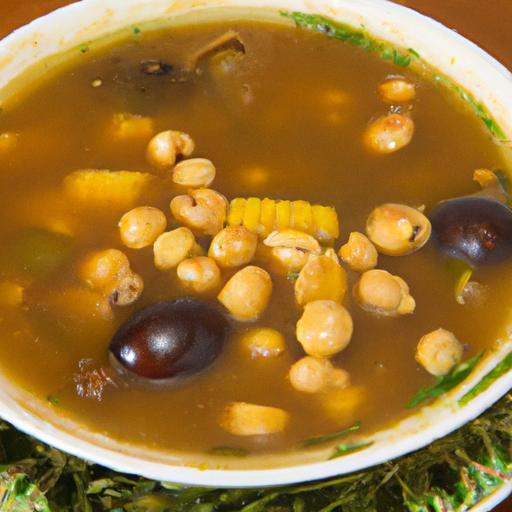
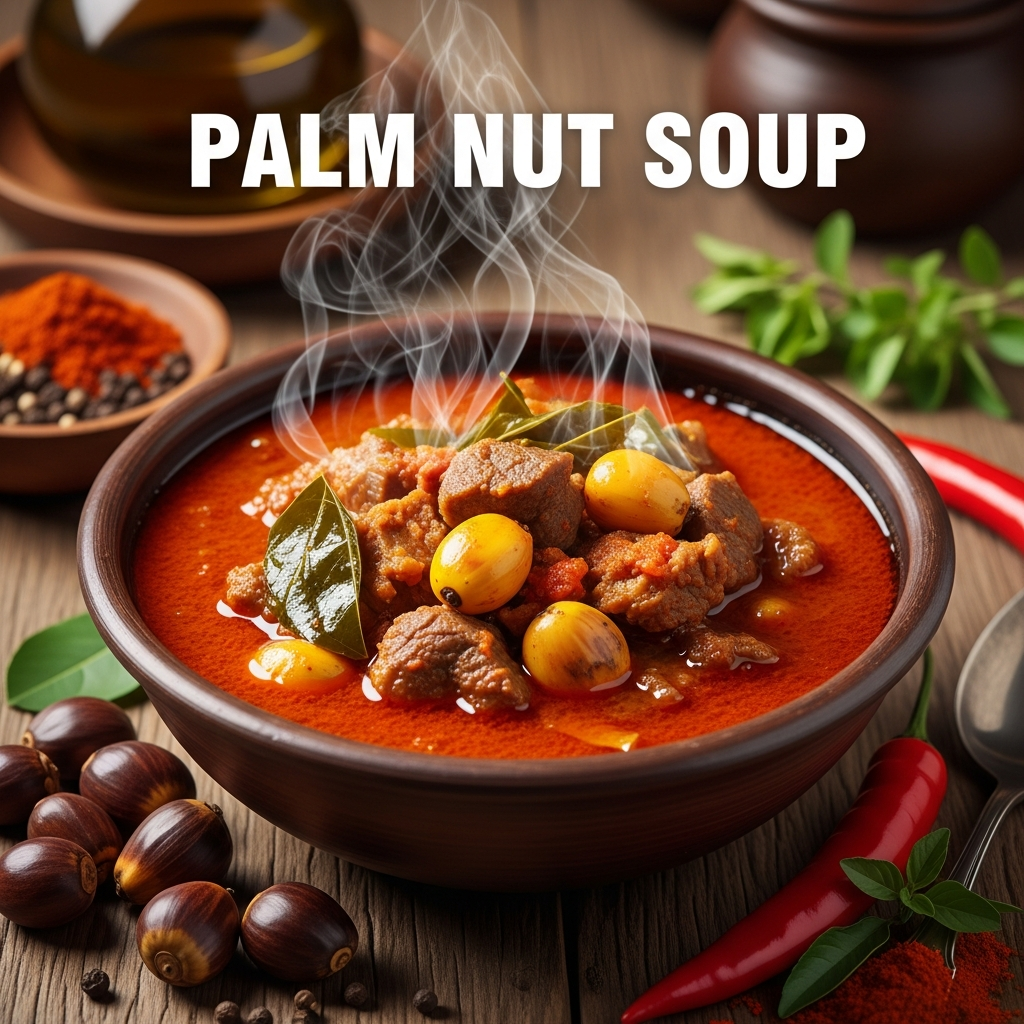
Nestled within the vibrant tapestry of West African cuisine lies a dish that embodies both tradition and bold flavors: Palm Nut Soup. Revered in Liberia as a culinary treasure, this hearty stew showcases the rich, velvety essence of palm nuts-an ingredient that transforms humble ingredients into a symphony of taste and aroma. More than just a meal, Palm Nut Soup is a celebration of Liberia’s agricultural heritage, communal spirit, and the art of slow-cooked perfection. Join us as we delve into the origins, preparation, and cultural importance of this flavorful gem that continues to warm hearts and tables across the nation.
Palm Nut Soup is a traditional Liberian culinary gem that offers not only rich, hearty flavors but also a deep connection to the country’s history and culture. This dish, rooted in the fertile lands along Liberia’s coast, has been a staple for generations, nourishing families and marking celebrations.my first taste of palm nut soup came during a warm afternoon in Monrovia, where the vibrant aromas of simmering palm nuts mingled with fresh spices instantly captivated my senses.Crafted over slow cooking fires, the soup’s velvety texture and bold, tangy notes of palm extract bring the taste of Liberia’s heartland to your bowl.
prep and Cook Time
- Preparation: 30 minutes
- Cooking: 1 hour 15 minutes
- Total time: 1 hour 45 minutes
Yield
- Serves 6 hearty portions
Difficulty Level
- Medium – ideal for home cooks ready to explore authentic west African flavors
key Ingredients That Bring Authentic Flavors to the Bowl
- 2 cups palm nut concentrate: the soul of the soup,delivering that distinctive,slightly tangy richness
- 1 lb smoked or fresh goat meat: traditional protein for a deeply savory taste (can substitute with beef or chicken)
- 1 large onion,finely chopped
- 2 cloves garlic,minced
- 1-inch piece fresh ginger,grated
- 2 fresh habanero or Scotch bonnet peppers: for an authentic heat level,adjust to taste
- 2 medium tomatoes,diced
- 1 cup spinach or bitterleaf (optional): for traditional green accents
- 2 tablespoons palm oil: enhances the soup’s signature color and flavour depth
- 4 cups water or meat stock, preferably homemade for extra body
- Salt and black pepper: to taste
- 1 teaspoon crayfish powder (optional): adds a subtle umami character
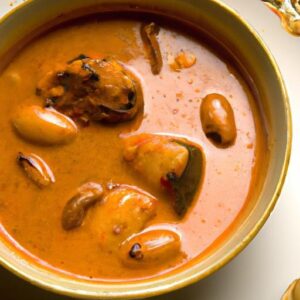
Step-by-Step Guide to Preparing Traditional Liberian Palm Nut Soup
- Prepare the Palm Nut Concentrate: If using fresh palm nuts,boil them for about 30 minutes,then pound or blend to extract the oily pulp. Strain this through a fine sieve for a smooth concentrate. Using store-bought palm nut concentrate simplifies the process without sacrificing authenticity.
- Cook the Meat: In a large pot, place the goat meat with chopped onions, garlic, and ginger. Cover with water or stock and simmer gently for 45 minutes until tender.Keep the broth, as it will become part of the soup’s base.
- Prepare the Soup Base: Heat the palm oil in a separate heavy-bottomed pot over medium heat. Add diced tomatoes and finely chopped peppers, sautéing until soft and aromatic, about 7 minutes.
- Add Palm Nut Concentrate: Stir in the palm nut concentrate slowly with the sautéed base. Combine thoroughly and cook on medium heat, stirring occasionally, for about 15 minutes to enrich the flavors and thicken the soup.
- Incorporate Meat and broth: Add the cooked meat along with its broth into the palm nut mixture. Simmer gently for 20 minutes to marry flavors. Season with salt, black pepper, and crayfish powder if using.
- Add Greens: stir in your spinach or bitterleaf during the last 5 minutes of cooking for a vibrant, slightly bitter contrast that balances the richness.
- Adjust Consistency: If the soup is too thick, add a little water or stock until you reach your desired texture.
- Final Taste check: Taste and adjust seasoning before serving. The soup should be savory, rich, and slightly spicy with a glossy reddish hue.
Tips for Success When Cooking Palm Nut Soup
- Use smoked meat to elevate the earthiness, or experiment with fish for a coastal variation.
- Adjust pepper levels carefully; Scotch bonnets pack serious heat,so use gloves while handling.
- Fresh palm nuts offer authentic intensity but require more prep, whereas canned concentrate offers convenience without compromising flavor.
- Simmer gently; high heat can cause the oils to separate and give an unpleasant oily finish.
- Prepare the soup a day ahead-resting allows flavors to deepen beautifully.
Pairing palm Nut Soup with Local Sides for a Complete Culinary Experience
Enjoy this beloved Liberian soup alongside starchy staples that soak up its rich broth perfectly. Traditional pairings include:
- Fufu: A smooth, stretchy cassava or yam dough that acts as a perfect sponge.
- Rice: Plain white rice or jollof rice adds a subtle sweetness that balances the hearty soup.
- Banku or kenkey: Fermented corn dough staples that amplify the tang of the palm nut broth.
- Plantains: Fried or boiled, their natural sweetness contrasts beautifully with the soup’s richness.
For garnish,a sprinkle of fresh chopped scallions or a dash of ground crayfish powder adds texture and depth.
| Nutrient | Per Serving |
|---|---|
| Calories | 350 kcal |
| Protein | 28 g |
| carbohydrates | 12 g |
| Fat | 20 g |

Discover even more traditional recipes and the culture behind Liberian dishes.For scientific insights on palm oil benefits, visit the National Institutes of Health.
Q&A
Q&A: Exploring Palm Nut Soup – Liberia’s Rich and Flavorful Culinary Gem
Q1: What exactly is Palm Nut Soup?
A: Palm Nut Soup is a luscious, hearty stew made from the vibrant red pulp of the palm fruit. It’s a cornerstone of Liberian cuisine, celebrated for its deep, earthy flavors and velvety texture.Rich in natural oils and infused with local spices, this soup is as nourishing as it is indeed delicious.
Q2: How is Palm Nut Soup traditionally prepared in Liberia?
A: The journey begins with harvesting ripe palm fruits, which are boiled and pounded to extract their rich, fragrant pulp. This pulp is then simmered with an aromatic blend of ingredients such as smoked fish, meat, onions, chili peppers, and sometimes crab or other seafood. The soup is slowly cooked to meld the flavors into a perfect harmony, frequently enough served over rice or fufu for a truly satisfying meal.
Q3: What makes Palm Nut Soup so special compared to other West African stews?
A: Unlike tomato-based stews, Palm Nut Soup’s signature comes from the natural oil and tangy sweetness of the palm fruit itself, lending a unique, silky consistency and rich, nutty depth. Its balance of smoky,spicy,and subtly sweet notes sets it apart,offering a taste that is both deeply comforting and tantalizingly complex.
Q4: Are there any cultural significances attached to Palm Nut Soup in Liberia?
A: Absolutely! Beyond being a beloved comfort food, Palm Nut Soup holds cultural weight in Liberian communities. It is often served during festive occasions, family gatherings, and rituals, symbolizing warmth, hospitality, and the bounty of the land. Sharing a bowl is a way to connect generations and celebrate heritage.
Q5: can Palm Nut Soup be adapted for different dietary preferences?
A: Yes! While traditionally made with smoked fish or meat, Palm Nut Soup can easily be tailored for vegetarians or vegans by substituting these with mushrooms, hearty greens, or legumes. The rich palm fruit base ensures the soup remains flavorful and satisfying regardless of additions.
Q6: Where can someone outside Liberia experience an authentic taste of Palm Nut Soup?
A: Many West African restaurants in global cities now feature Palm Nut Soup on their menus, celebrating its rising popularity. For the adventurous cook, sourcing canned or frozen palm fruit pulp online or at African grocery stores makes it possible to recreate this culinary gem at home and savor a true taste of Liberia’s rich food heritage.
Q7: Why should food lovers explore Palm Nut Soup?
A: Palm Nut Soup offers a unique gateway into Liberia’s vibrant culinary landscape.It’s more than just a dish; it’s a sensory experience packed with history, culture, and bold flavors that awaken the palate. For anyone eager to explore the depth and diversity of African cuisine, Palm Nut Soup is an unforgettable delight waiting to be discovered.
The conclusion
In every spoonful of Palm Nut Soup, you taste more than just a dish-you savor the vibrant history and soulful spirit of Liberia itself. This rich and flavorful culinary gem invites both locals and adventurers alike to explore a tapestry of traditions woven through generations. As the aroma lingers and the flavors unfold, Palm Nut Soup stands as a delicious reminder that food is not just sustenance, but a story waiting to be told. Weather you’re a seasoned foodie or a curious palate, embracing this Liberian delight promises a journey into the heart of a culture both bold and beautifully complex.