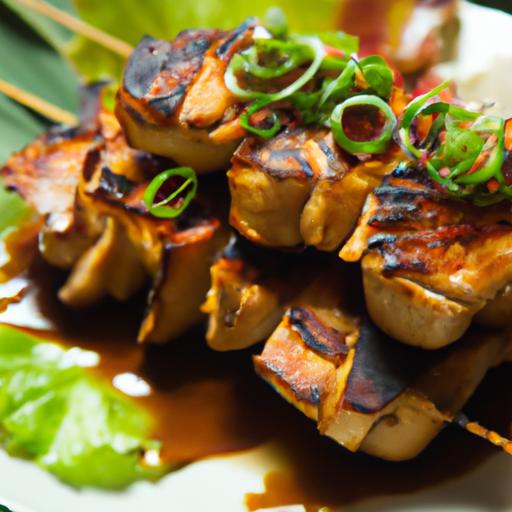

in the world of culinary delights, few dishes capture the essence of simplicity and perfection quite like yakitori. This humble Japanese tradition of skewered grilled chicken is more than just street food-it’s a celebration of flavor, technique, and cultural heritage. From the sizzling charcoal grills to the delicate balance of savory sauces and seasonings, yakitori offers a sensory journey that invites both the casual eater and the seasoned gourmet to savor each bite. Join us as we unveil the art and flavor of yakitori, exploring its origins, the secrets behind its irresistible taste, and the mastery required to transform ordinary chicken into an extraordinary culinary experience.
Yakitori Unveiled: The Art and Flavor of Grilled Chicken Skewers represents a flavorful journey into one of Japan’s most loved street foods. This simple yet profoundly satisfying dish boasts centuries of tradition and offers a perfect harmony of smoky, savory, and sweet tastes that ignite the senses. Growing up, I vividly remember the warm glow of charcoal and the irresistible aroma of grilling chicken on the streets of Tokyo, were every bite was a celebration of balance and precision.today, mastering yakitori at home invites you to embrace authentic techniques and explore its rich cultural heritage, all while savoring perfectly grilled skewers.
Prep and Cook Time
- Preparation: 20 minutes
- Marinating: Optional 30 minutes to 2 hours
- Cooking: 10-15 minutes
- Total Time: Approximately 35-45 minutes (plus marinating if desired)
Yield
- Servings: 4 (about 16 skewers)
Difficulty Level
- Medium – Requires attention to grilling technique and sauce balance
Ingredients
- 500g boneless, skin-on chicken thighs, cut into 1-inch cubes
- 12 bamboo skewers, soaked in water for 30 minutes
- Salt, to taste
- Charcoal or gas grill (preferably binchotan charcoal)
- For the Tare Sauce:
- 1/2 cup soy sauce
- 1/4 cup mirin (Japanese sweet rice wine)
- 2 tbsp sake
- 2 tbsp brown sugar
- 1 clove garlic, crushed
- 1-inch piece fresh ginger, sliced
- Optional for garnish: finely chopped green onions, toasted sesame seeds, or shichimi togarashi
Instructions
- Prepare the tare sauce: in a small saucepan, combine soy sauce, mirin, sake, brown sugar, garlic, and ginger. Bring to a gentle boil, then reduce heat and simmer for 10-15 minutes untill slightly thickened. Strain and set aside.
- Skewer the chicken: Thread the chicken pieces onto soaked bamboo skewers, leaving a small gap between pieces to ensure even cooking and smoke circulation.
- Preheat the grill: Prepare your charcoal or gas grill to medium-high heat, aiming for an even, hot flame ideal for grilling.
- Season and grill: Lightly sprinkle salt on chicken skewers. Place them on the grill and cook for 3-4 minutes per side, basting generously with tare sauce every time you flip. Rotate skewers to develop even char marks without burning.
- Finish and serve: Once the chicken is glistening and cooked through (internal temperature of 165°F/74°C), remove skewers from heat. For maximum flavor, brush a final coat of tare sauce before serving.
Tips for Success
- Choosing the cut: opt for chicken thighs over breasts as they stay juicier under high heat and have a more robust flavor.
- Marinating versatility: While not necessary, marinating the chicken in a little soy and sake for 30 minutes enhances depth.
- Charcoal magic: Use binchotan charcoal when possible; its clean-burning properties impart an authentic smoky aroma without bitterness.
- Skewer care: Soaking bamboo skewers prevents them from burning too quickly over direct heat.
- Sauce consistency: If tare sauce thickens too much overnight, add a splash of water and gently reheat to restore pourability.
- Make-ahead: Prepare tare sauce up to a week in advance and store chilled.Reheat gently before use.
Serving Suggestions
Present your yakitori skewers on a rustic wooden board or conventional Japanese plate for an inviting aesthetic. Garnish with freshly sliced green onions, a sprinkle of toasted sesame seeds, or a dash of shichimi togarashi for a subtle spicy kick.Serve alongside steamed jasmine rice,crisp pickled vegetables,or a refreshing cucumber salad to lighten the meal.
| Nutritional Information (per serving) | Calories | Protein (g) | Carbs (g) | Fat (g) |
|---|---|---|---|---|
| Yakitori Chicken Skewers | 290 | 35 | 5 | 12 |
Discovering Yakitori at home unlocks a world of cultural richness and culinary artistry-a testament to japanese dedication to flavor balance and grilling precision. Whether you’re looking to impress guests or indulge in a beloved classic, these instructions and tips will empower your kitchen adventures.
For further inspiration on Japanese grilling techniques, check out our Japanese Grilling Techniques guide and explore the history of yakitori on Japan-guide.

Q&A
Q&A: Yakitori Unveiled: The Art and Flavor of Grilled Chicken Skewers
Q1: What exactly is Yakitori?
A: yakitori, literally meaning “grilled bird,” is a beloved Japanese culinary tradition centered around skewered and grilled chicken. Each skewer showcases different parts of the chicken-from tender breast to savory liver-imbued with smoky char and often glazed with a sweet-savory tare sauce or sprinkled with flaky salt.
Q2: How did yakitori become so popular in Japan?
A: Yakitori’s rise traces back to the early 20th century, when street vendors and izakayas (Japanese pubs) offered affordable, flavorful bites to bustling city crowds. Its simplicity-bite-sized morsels on a stick-and irresistible aroma made it a go-to comfort and social food, weaving itself into everyday Japanese culture.
Q3: What makes Yakitori different from other grilled chicken dishes?
A: Unlike typical grilled chicken, Yakitori celebrates the entire bird. Chefs meticulously select and cut varied parts-such as juicy thighs (momo), crispy skin (kawa), tender hearts (hatsu), and even cartilage (nankotsu)-each providing unique textures and flavors. The grilling technique balances smoky char with moist interiors, often enhanced by carefully crafted sauces.
Q4: What is tare, and why is it critically important in Yakitori?
A: Tare is a luscious, caramelized glaze made from a blend of soy sauce, mirin, sake, and sugar. It’s brushed onto the skewers during grilling, creating a glossy finish that’s sweet, salty, and deeply umami. This sauce is the heart of many Yakitori recipes, transforming simple chicken into a symphony of flavors.
Q5: Can anyone enjoy Yakitori, or is it mainly for adventurous eaters?
A: Yakitori offers something for everyone-from mild, familiar cuts like chicken breast and thigh to more adventurous treats like liver or gizzard. its versatility means even newcomers can savor skewers seasoned with salt or tare, while those seeking new culinary experiences can explore the array of chicken parts that highlight Japan’s nose-to-tail eating philosophy.
Q6: How is Yakitori traditionally prepared and served?
A: Traditionally, Yakitori is grilled over hot binchotan charcoal, prized for steady heat and minimal smoke, infusing skewers with subtle smokiness. It’s frequently enough enjoyed right off the grill at bustling izakayas with a frosty beer or sake. The communal, casual setting makes Yakitori not just a meal, but a social ritual celebrating flavor and fellowship.
Q7: can Yakitori be made at home? What should beginners know?
A: absolutely! Home cooks can recreate Yakitori with simple ingredients: chicken, bamboo skewers, salt or tare sauce, and a grill or broiler. Key tips include soaking skewers to prevent burning,cutting uniform pieces for even cooking,and turning frequently to develop that perfect char. Experimenting with different parts or sauces can turn your kitchen into a miniature izakaya.
Q8: What makes Yakitori an enduring culinary art?
A: Yakitori blends humble ingredients with skilled technique and passionate tradition.It honors the chicken whole, balancing taste, texture, and aroma with minimal fuss but maximum flavor. More than just grilled chicken, Yakitori is a tactile, social, and sensory experience-where fire, seasoning, and human hands come together to celebrate simple pleasure elevated to art.
Dive into the smoky, savory world of Yakitori and discover how this simple skewer tells the story of Japanese flavor mastery and cultural warmth-one delicious bite at a time!
To Wrap It Up
As the smoky aroma of yakitori lingers in the air and the last succulent bite dissolves on the tongue, it’s clear that this humble grilled skewer is much more than just street food-it’s a culinary tradition steeped in history, technique, and heart. From the careful selection of chicken cuts to the nuanced balance of tare sauce and flame, yakitori embodies the spirit of Japanese grilling artistry. Whether enjoyed at a bustling izakaya or crafted at home, these skewers invite us to savor not only their complex flavors but also the cultural stories threaded through each bite. So next time you encounter those perfectly charred morsels, remember: you’re tasting a timeless dance of fire, flavor, and craftsmanship that continues to captivate palates around the world.