In a world captivated by speedy fixes and fad diets, the French have quietly mastered an enduring secret: the art of savoring health. Beyond the allure of buttery croissants and rich cheeses lies a lifestyle that balances pleasure and wellness wiht effortless elegance. This balanced approach to eating-rooted in tradition,mindfulness,and a deep recognition for quality ingredients-offers more than just delicious meals; it cultivates vitality,longevity,and joy. Join us as we uncover the secrets of the French balanced diet, where savoring every bite is not just a habit, but a celebration of life itself.
Savoring Health: The Secrets of the French Balanced Diet
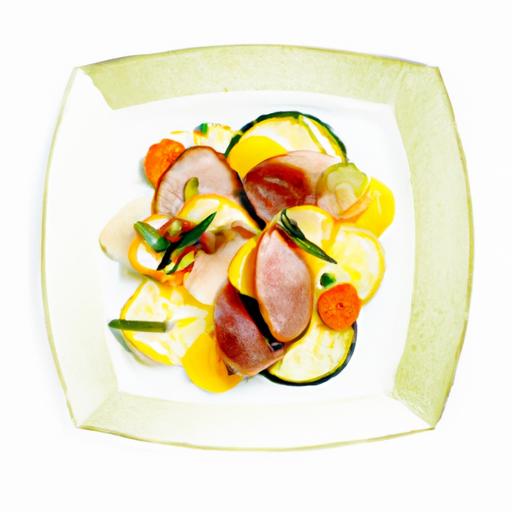
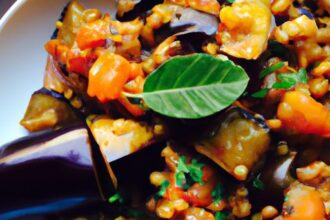
Savoring Health: The Secrets of the French balanced Diet come alive in this vibrant Provençal Ratatouille, a dish that effortlessly celebrates seasonal produce and the art of mindful eating.originating from the sun-kissed fields of Southern France, this colorful medley highlights the bounty of summer’s freshest vegetables, fragrant fresh herbs, and nourishing natural fats, all perfectly balanced for both palate and heart.
Prep and Cook Time
Preparation: 20 minutes | Cooking: 45 minutes | Total: 1 hour 5 minutes
Yield
Serves 4
Difficulty Level
Medium – ideal for cooks eager to combine classic technique with vibrant, seasonal ingredients.
Ingredients
- 2 medium zucchinis,sliced into 1/4-inch rounds
- 2 medium eggplants,cut into 1-inch cubes
- 3 ripe tomatoes,diced
- 1 large red bell pepper,diced
- 1 large yellow onion,thinly sliced
- 4 cloves garlic,minced
- 3 tbsp extra virgin olive oil
- 1 tsp herbes de Provence (or a mix of dried thyme,rosemary,and savory)
- Fresh basil leaves,a small handful,roughly chopped
- Fresh flat-leaf parsley,finely chopped,for garnish
- Salt and freshly ground black pepper,to taste
- Optional: A splash of red wine vinegar for brightness
Instructions
- Prepare the vegetables: Rinse all vegetables thoroughly. Slice zucchinis and dice eggplants-if desired, salt the eggplant cubes lightly and set aside for 20 minutes to reduce bitterness, then pat dry.
- Sauté the onion and garlic: Heat 1 tablespoon of olive oil over medium heat in a wide, heavy-bottomed skillet. Add onion and cook, stirring frequently, until translucent and beginning to caramelize, about 7 minutes.Add garlic and cook for 1 more minute.
- Cook eggplant and bell pepper: Add 1 tablespoon of olive oil to the pan and toss in the eggplant cubes and diced bell pepper. sauté until softened and golden brown, about 10 minutes. Stir occasionally to prevent sticking.
- Add zucchini and tomatoes: Stir in zucchini rounds and diced tomatoes.Sprinkle with herbes de Provence, salt, and pepper. Continue to cook, gently stirring, until all vegetables are tender but retain their shape, approximately 15 minutes.
- Finish with fresh herbs and seasoning: Remove from heat. Fold in roughly chopped fresh basil and adjust seasoning with salt, pepper, and optional splash of red wine vinegar to add a subtle tang.
- Let it rest: Allow the ratatouille to rest covered for 10 minutes before serving.This melds the flavors beautifully and respects the french tradition of savoring each bite mindfully.
Chef’s Notes
- for a richer dish, incorporate a tablespoon of natural fat like cold-pressed extra virgin olive oil before serving-this not only enhances heart health but also deepens flavor.
- Seasonal substitutions are encouraged: in autumn, swap zucchinis for yellow squash or add roasted butternut squash for sweetness.
- Make-ahead tip: Ratatouille improves when made a day ahead,allowing the flavors to further develop. Store in an airtight container in the fridge up to 3 days.
- For protein balance, pair with a serving of roasted herb chicken or a light lentil salad.
Serving Suggestions
serve warm or at room temperature atop a bed of whole grain quinoa or alongside crusty, lightly toasted artisanal bread. Garnish with extra fresh parsley and a drizzle of olive oil for a glossy finish. A glass of dry rosé or light white wine complements this dish beautifully, enhancing the sensory experience of balanced indulgence.

| Nutrient | Per Serving |
|---|---|
| calories | 180 kcal |
| Protein | 4 g |
| Carbohydrates | 20 g |
| Fat | 10 g (mostly healthy fats) |
| Fiber | 7 g |
Explore more about French culinary techniques and heart-healthy recipes at American Heart Association Nutrition Basics.
Q&A
Q&A: Savoring Health – The Secrets of the French Balanced Diet
Q1: What makes the French diet so appealing and healthy at the same time?
A1: The French diet is a delightful blend of flavor and mindfulness. It’s less about restriction and more about savoring-quality over quantity. Fresh, seasonal ingredients take center stage, while meals are enjoyed slowly, turning eating into a sensory experience rather than just fuel. This approach naturally encourages balance and moderation.
Q2: How does portion control feature in the French balanced diet?
A2: Portion control in the French diet is more intuitive than rigid. Plates are smaller, and the focus is on tasting multiple courses rather than piling on huge servings. Think of a small slice of cheese or a single pastry as a treat-not a binge. this gentle portion mindfulness helps keep calorie intake in check without sacrificing pleasure.
Q3: What role does lifestyle play in supporting the French balanced diet?
A3: Eating like the French means embracing a lifestyle rich in social dining, leisurely meals, and physical activity like walking. Meals are social events, fostering connection and relaxation-both excellent for digestion and stress reduction. This holistic approach turns eating into a pleasureful ritual rather than a rushed necessity.
Q4: Can the French diet be adapted for modern busy lifestyles?
A4: Absolutely! The core principles-fresh ingredients, mindful eating, moderate portions-are timeless and flexible. Simple swaps like choosing whole foods over processed, taking time to sit down for meals, and allowing small treats can help anyone bring a touch of French balance into a hectic day.
Q5: What are some French foods that exemplify this balanced approach?
A5: Think ratatouille’s vibrant medley of veggies, a crisp green salad with a drizzle of olive oil, or a piece of seasonal fruit for dessert. These dishes showcase harmony between taste and nutrition,embodying the art of balance.
Q6: How does savoring food contribute to better health?
A6: savoring encourages eating slowly, which aids digestion and signals fullness cues to the brain more effectively, preventing overeating. Beyond digestion, the joy derived from truly tasting food enhances satisfaction, reducing cravings and promoting a healthier relationship with eating.
by embracing the French balanced diet’s secrets-quality ingredients, mindful portions, and savoring each bite-you can transform eating from a daily chore into an artful celebration of health and happiness. Bon appétit!
Closing remarks
As we peel back the layers of the French balanced diet, it becomes clear that savoring health is less about rigid rules and more about mindful enjoyment. From vibrant market-fresh produce to the artful pairing of flavors, the French approach teaches us that nourishment is a celebration of both body and culture. By embracing balance, variety, and pleasure on our plates, we unlock a timeless secret: that true wellness thrives not just in what we eat, but in how we savor each bite.So, next time you sit down to your meal, channel a little French joie de vivre-and let your journey to a healthier, more delicious life begin.