
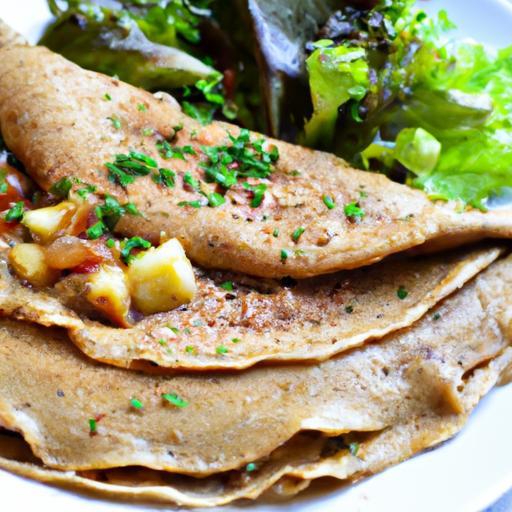
There’s something irresistibly enchanting about French crêpes-their thin, delicate texture, the way they fold effortlessly around sweet or savory fillings, and the subtle yet satisfying taste that makes every bite a tiny celebration. Now, imagine all of that without a hint of dairy or eggs, crafted entirely from plant-based ingredients that keep things deliciously light and wonderfully wholesome. Welcome to yoru ultimate guide to vegan French crêpes, where tradition meets innovation in a culinary dance that’s as easy to make as it is delightful to eat. Whether your a seasoned vegan, curious foodie, or simply craving a fresh twist on a classic treat, this guide will unlock the secrets to mastering crêpes that are tender, tasty, and completely compassionate.Get ready to embark on a journey of flavor and finesse-one thin, golden pancake at a time.
Deliciously light vegan crêpes offer an irresistible blend of delicacy and nourishment, drawing inspiration from traditional French cuisine while celebrating plant-based ingredients. Originating from the Brittany region of France, crêpes have long been a symbol of convivial gatherings and simple elegance. Crafting vegan crêpe batter that achieves silky smooth results transforms this classic into a modern favorite for anyone seeking both flavor and texture without compromise.
Prep and Cook Time
- Preparation: 10 minutes
- Resting Time: 30 minutes (essential for smooth batter)
- cooking: 15 minutes
- Total Time: 55 minutes
Yield
Approximately 10-12 thin vegan crêpes (serves 3-4)
Difficulty Level
Easy to Medium – Perfect for culinary enthusiasts eager to master the art of plant-based crêpes.
Ingredients
- 1 cup all-purpose flour, sifted for best texture
- 1 ½ cups unsweetened almond milk (or othre plant milk, warmed slightly)
- 2 tablespoons cornstarch (for added silkiness)
- 2 tablespoons neutral oil (like grapeseed or sunflower), plus more for the pan
- 2 tablespoons maple syrup or agave (optional, for subtle sweetness)
- 1 tablespoon apple cider vinegar (activates plant milk for tenderness)
- ½ teaspoon fine sea salt
- 1 teaspoon vanilla extract (optional, perfect for sweet crêpes)
Instructions
- Mix the wet ingredients: in a medium bowl, combine warm almond milk and apple cider vinegar. Stir and let sit for 5 minutes to gently curdle,creating a vegan “buttermilk.” Add the neutral oil, maple syrup, and vanilla extract, blending well.
- Combine dry ingredients: In a separate large bowl, whisk together sifted all-purpose flour, cornstarch, and sea salt until evenly mixed.
- Incorporate wet to dry: Gradually pour the wet mixture into the dry while whisking continuously to avoid lumps. Aim for a smooth, thin batter with a consistency similar to heavy cream.
- Rest the batter: Cover the bowl and refrigerate for at least 30 minutes.This resting period allows the flour to hydrate and the batter to thicken subtly for silkiness.
- Heat the pan: Use a non-stick skillet or traditional crêpe pan over medium heat. Lightly brush with oil using a pastry brush or paper towel to ensure even coating without excess greasiness.
- Cook the crêpes: Pour approximately ¼ cup of batter into the center of the pan and immediately tilt and swirl to spread it evenly into a thin layer. Sauté until the edges lift and the bottom is golden brown, about 1-2 minutes.
- Flip carefully: Use a thin spatula to turn the crêpe and cook the other side for another 30 seconds to 1 minute until just set.Transfer to a plate and repeat with remaining batter, lightly oiling the pan between each crêpe.
Chef’s Notes: Tips for success
- Why cornstarch? It lends extra silkiness to vegan crêpes by improving elasticity and reducing tearing.
- Resting is key: Do not skip resting the batter. This step enhances smoothness and helps prevent cracking during cooking.
- Adjust batter thickness: If too thick after resting, whisk in a splash of plant milk.If too thin, add a tablespoon of flour.
- Choose the right pan: A flat non-stick pan or cast iron with a smooth surface gives optimal thinness and even cooking.
- Keep warm on a rack: Prevent sogginess by stacking cooked crêpes on a wire cooling rack rather than a plate.
- Make-ahead tip: Batter can rest overnight in the fridge; just whisk gently before cooking.
Serving Suggestions
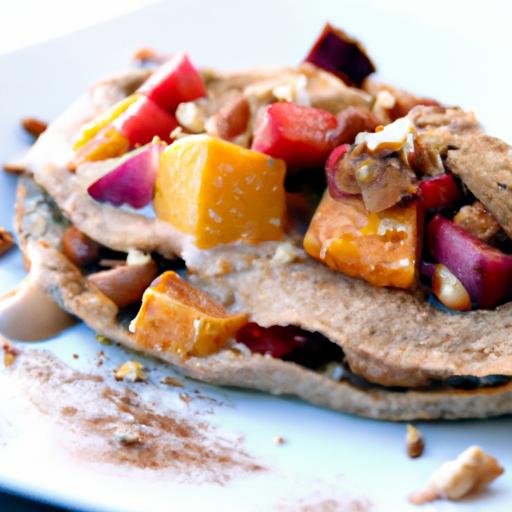
Elevate your deliciously light vegan crêpes with an array of wholesome fillings such as fresh berries,smashed avocado with lemon zest,sautéed mushrooms and spinach,or a silky almond butter and banana combo. Dust with powdered sugar or drizzle with melted dark vegan chocolate to enhance the visual and flavor experience.
pair your crepes with refreshing sauces like a radiant raspberry coulis, a tangy citrus compote, or a creamy coconut yogurt drizzle.Garnish with chopped fresh herbs for savory options or a sprinkle of toasted nuts for added crunch, ensuring each bite bursts with texture and taste.
| Nutrient | Per Crêpe (approx.) |
|---|---|
| Calories | 85 kcal |
| Protein | 2 g |
| Carbohydrates | 12 g |
| Fat | 2.5 g |

Discover how to create complementary vegan fillings and sauces in our Wholesome Vegan Sauces and Fillings Guide, and for culinary inspiration rooted in French tradition, visit Classic French Cuisine.
Q&A
Q&A: Deliciously Light – Your Ultimate Vegan french Crêpes guide
Q1: What makes French crêpes a perfect canvas for vegan cooking?
A1: French crêpes are delightfully thin and versatile, acting like edible canvases that effortlessly carry a myriad of flavors. Their delicate texture and subtle taste allow plant-based fillings and toppings to truly shine, making them an ideal choice for vegan cuisine. Without eggs or dairy as a base, the magic lies in creative substitutes that keep crêpes light, tender, and delicious.
Q2: How do you achieve the perfect vegan crêpe batter without traditional eggs and milk?
A2: The secret to a luscious vegan crêpe batter is blending plant-based milks-like almond, oat, or soy-with alternatives that mimic eggs, such as flaxseed meal or aquafaba. A splash of nondairy milk, a bit of flour, a pinch of salt, and a gentle whisk create a batter that’s silky-smooth and ready to sizzle in the pan. The key is patience-letting the batter rest helps the ingredients marry for the perfect elastic texture.
Q3: Can vegan crêpes be as thin and delicate as traditional ones?
A3: absolutely! Vegan crêpes can rival their classic counterparts in thinness and finesse. With the right batter consistency and a well-seasoned non-stick pan (or a touch of oil), the batter spreads effortlessly. A swift wrist motion and the right heat produce paper-thin wonders that fold neatly around sweet or savory vegan fillings.
Q4: What are some creative vegan fillings and toppings that elevate crêpes?
A4: The possibilities are as endless as your pantry! For sweet crêpes, consider luscious berry compotes, almond butter drizzles, or a sprinkle of toasted coconut and cinnamon. Savory options burst with flavor from sautéed mushrooms, tender spinach, herbed tofu ricotta, or smoky tempeh strips. Don’t forget a drizzle of vegan hollandaise or a squeeze of fresh lemon to complete the experience.
Q5: Is making vegan crêpes more time-consuming than traditional ones?
A5: Surprisingly, no! once you gather your vegan ingredients, the process mirrors classic crêpe-making.The batter comes together quickly, with just a brief resting period to enhance the texture. Cooking each crêpe is swift-typically under a minute per side-making this a perfect recipe for a leisurely brunch or an impressive, light dessert.
Q6: How can one prevent vegan crêpes from sticking or tearing?
A6: The trick lies in pan quality and technique. Use a non-stick skillet or a well-seasoned crepe pan, lightly oiled before each crepe. Let the batter spread naturally; avoid piling it on thick. allow the edges to lift before flipping-this usually signals that it’s ready. Gentle handling ensures crêpes fold without tearing, maintaining their delicate elegance.
Q7: Are vegan crêpes gluten-free as well?
A7: Traditional French crêpes use wheat flour, but you can easily swap it for gluten-free options like buckwheat flour-a classic in Breton crêpes-rice flour, or chickpea flour to craft gluten-free vegan crêpes. These alternatives add unique nutty or earthy notes while keeping the crêpes light and flexible.
Q8: What’s your best tip for someone new to vegan crêpe making?
A8: Embrace the art with a sense of playful curiosity! Don’t fret about perfection on the first try; every batter will teach you something new. Experiment with different plant milks and egg substitutes until you find your favorite combo. And remember-the beauty of crêpes is in their delicate imperfection and endless adaptability.Serve with a smile, and enjoy every bite of your light, delicious creation!
Key Takeaways
As you flip your final vegan crêpe, light and golden, you’ve unlocked a world where indulgence meets kindness-where every bite is a celebration of flavor without compromise. Whether drizzled with fresh fruit, sprinkled with nuts, or wrapped around your favorite savory fillings, these crêpes prove that plant-based delights can be effortlessly elegant and endlessly versatile. So, next time the craving for a delicate treat hits, remember: your ultimate guide to deliciously light vegan French crêpes isn’t just a recipe collection-it’s an invitation to savor the artistry of simple, compassionate cooking. Bon appétit, and may your kitchen be forever filled with the gentle flip of crêpes made with love!