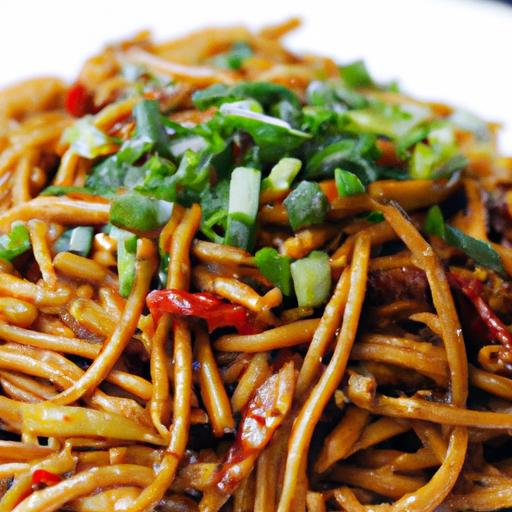
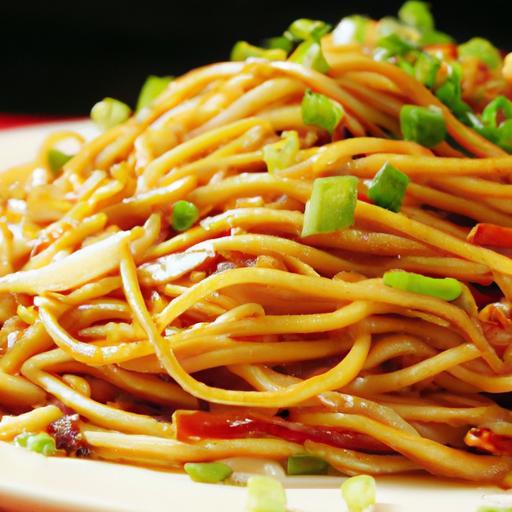
In the bustling streets of Beijing, amid the swirl of vibrant markets and the aroma of sizzling street food, there exists a humble noodle dish that has captured the hearts-and taste buds-of locals and food lovers alike. Beijing Zha Jiang Mian, often translated as “fried sauce noodles,” is more than just a meal; it’s a culinary story steeped in history, culture, and bold flavors. This savory delight, with its perfect harmony of tender noodles cloaked in a rich, umami-packed soybean paste sauce, is an invitation to experience a true taste of China’s capital. Whether your a seasoned foodie or a curious newcomer, here’s why Zha Jiang Mian deserves a spot on your must-try list.
Beijing Zha Jiang Mian is more than just a noodle dish-it’s a savory masterpiece that tells the story of Northern China’s culinary ingenuity, blending simplicity with rich, umami-packed flavors that instantly captivate your senses. Originating from the bustling streets of Beijing, this hearty noodle bowl features a thick soybean-based meat sauce that clings lovingly to chewy wheat noodles, creating a comforting balance of textures and tastes. My first encounter with Beijing Zha Jiang Mian was unforgettable: the warm aroma of fermented soybean paste mingling with tender minced pork and fresh crunchy vegetables made this humble dish an instant staple in my kitchen repertoire.
Prep and Cook Time
- Planning: 15 minutes
- Cooking: 25 minutes
- Total time: 40 minutes
Yield
Serves 4 generous portions
Difficulty Level
Medium – Perfect for home cooks ready to embrace authentic Beijing flavors with ease
Ingredients
- 300g fresh thick wheat noodles (or dried if unavailable)
- 250g ground pork shoulder
- 3 tablespoons fermented yellow soybean paste (黄酱,huángjiàng)
- 2 tablespoons sweet bean sauce (甜面酱,tiánmiànjiàng)
- 1 tablespoon soy sauce
- 1 tablespoon cooking wine (shaoxing wine preferred)
- 3 cloves garlic,minced
- 1 small piece fresh ginger,grated (about 1 teaspoon)
- 2 tablespoons vegetable oil
- 1 cup water or low-sodium chicken broth
- 1 medium cucumber,julienned (for garnish)
- 2 scallions,thinly sliced (green parts for garnish)
- Optional: pickled radish or carrot strips for added crunch
Step by Step guide to Perfecting Your Own Zha Jiang Mian at Home
- Prepare the noodles: Cook the thick wheat noodles in boiling water according to package instructions until al dente. Drain and rinse under cold water to stop cooking and keep noodles springy. Set aside.
- sauté aromatics: Heat vegetable oil in a large skillet over medium heat. Add minced garlic and grated ginger. Sauté until fragrant, about 1 minute, taking care not to burn them.
- Cook the pork: Increase heat to medium-high, add ground pork to the pan. Break it up with a spatula and sauté until the meat is browned and starting to crisp in spots, about 6-8 minutes.
- Incorporate the sauces: stir in the fermented yellow soybean paste and sweet bean sauce. Cook together, stirring frequently, until the paste darkens and releases its rich aroma, about 3 minutes.
- Add liquids: Pour in the soy sauce, cooking wine, and 1 cup of water or chicken broth. Reduce heat to medium-low and let the sauce simmer gently until thickened, about 10 minutes. Stir occasionally to prevent sticking.
- Final seasoning: Taste the sauce and adjust saltiness if needed by adding a splash more soy sauce or a pinch of sugar to balance.
- To serve: Toss cooked noodles in individual bowls or plate them neatly.Spoon generous amounts of the savory pork sauce on top. Garnish with crisp julienned cucumber and fresh scallions to contrast the rich, warm sauce.
Tips for Success
- Fermented soybean paste is the heart of the dish: sourcing authentic huángjiàng or quality yellow soybean paste is crucial for that signature earthy tang.
- Texture matters: browning the pork until slightly crispy enhances the sauce depth. Do not overcrowd the pan to ensure proper caramelization.
- Noodles: Fresh noodles offer the best chew, but dried thick wheat noodles work fine. After cooking, rinse under cold water for perfect texture and avoid sogginess.
- Make-ahead: The sauce keeps well in the fridge for up to 3 days, making this dish easy to prepare on busy nights-just reheat gently.
- Vegetarian option: substitute ground pork with finely chopped shiitake mushrooms and firm tofu for a appetizing plant-based zha jiang variant.
Serving Suggestions
This dish shines when served family-style, allowing everyone to customize their bowl. Present the noodles in a large shallow bowl topped with the warm sauce. Add julienned cucumber and scallions for freshness, and include small plates of pickled vegetables or chili oil for those craving spice. A side of crisp steamed buns or simple Chinese green tea complements the meal beautifully, balancing rich and fresh flavors. For an Instagram-worthy plate, drizzle a little toasted sesame oil over the noodles and sprinkle toasted sesame seeds.

Nutritional Information (Per Serving)
| Calories | Protein | Carbohydrates | Fat |
|---|---|---|---|
| 520 kcal | 28 g | 58 g | 18 g |
For more insights on traditional Chinese noodles, explore our Ultimate Guide to Chinese Noodles. Also, learn about the history of fermented sauces on The Sydney Morning Herald.
Q&A
Q&A: Beijing Zha Jiang Mian – The Savory Noodle Dish You Need to Try
Q: What exactly is Beijing Zha Jiang Mian?
A: Imagine a warm bowl of chewy noodles tangled with a rich, savory sauce made from fermented soybean paste and minced pork (or a vegetarian twist). That’s Beijing Zha Jiang Mian, a beloved northern Chinese staple whose name literally means “fried sauce noodles.” It’s comfort food with character-simple ingredients that sing together in umami harmony.
Q: Where did this dish originate?
A: zha Jiang mian hails from Beijing, China’s sprawling capital with a penchant for hearty flavors. legend says this dish grew out of humble beginnings, designed as an affordable, filling meal for laborers.Over time, it evolved into a celebrated culinary classic, beloved by locals and foodies worldwide.
Q: What makes the sauce so special?
A: The sauce is the heart and soul of Zha Jiang Mian.It’s traditionally made with fermented soybean paste (called “sweet bean sauce” or “yellow soybean paste”) cooked down with ground pork, garlic, and sometimes a splash of soy sauce or Shaoxing wine. The fermentation delivers a deep, complex umami flavor-a little salty, a little sweet, with a savory punch that makes every bite addictive.
Q: How are the noodles different from other noodle dishes?
A: The noodles are typically thick, hand-pulled or knife-cut, giving them a satisfyingly chewy texture that holds onto the sauce like a dream. Their robust texture contrasts beautifully with the lush meat sauce and crisp fresh vegetables frequently enough served alongside.
Q: What toppings or sides usually accompany Zha Jiang Mian?
A: Freshness balances the hearty sauce-think julienned cucumber, scallions, sometimes shredded carrots or radish. These crunchy, cool vegetables provide a bright contrast to the rich sauce, adding layers of texture and flavor. Some versions include a soft-boiled egg or pickled vegetables for an extra zing.
Q: Can I make Zha Jiang Mian at home?
A: Absolutely! while traditional recipes may call for specific Chinese fermented pastes, many specialty Asian markets stock them, or you can find them online. The key is to simmer the sauce low and slow, then toss with your favorite thick noodles and fresh veggies. It’s a rewarding kitchen project-and a guaranteed crowd-pleaser.
Q: Why should I try Beijing Zha Jiang Mian?
A: Beyond being delicious, this dish offers a taste of Beijing’s rich culinary heritage. It’s comfort food with layers of history and flavor, a perfect blend of savory, salty, and fresh that’s both hearty and satisfying. Whether you’re exploring Chinese cuisine or seeking a new noodle adventure, Zha Jiang Mian promises a bowlful of flavor that’s truly unforgettable.
Q: Any tips for enjoying Zha Jiang Mian?
A: Mix vigorously before each bite so noodles soak up every drop of that luscious sauce.Pair it with a light tea to cleanse the palate,and don’t be shy about adding extra fresh vegetables for crunch. And remember-this dish is best enjoyed slowly, savoring each slurp and every flavorful morsel.
Ready to taste the magic? Beijing Zha Jiang mian awaits-grab your chopsticks and dive into this savory noodle sensation!
Future Outlook
Whether you’re a seasoned foodie or a curious newcomer to Chinese cuisine, Beijing Zha Jiang Mian offers a rich tapestry of flavors and textures that’s simply irresistible.This humble yet hearty noodle dish embodies the perfect harmony of savory fermented soybean paste, tender minced meat, and crisp, fresh vegetables-all tossed together in a way that delights the palate and warms the soul. Next time you’re craving something comforting yet adventurous, let Zha Jiang Mian guide you through a delicious journey into Beijing’s bustling culinary heritage. Give it a try, and you might just find your new favorite noodle bowl.