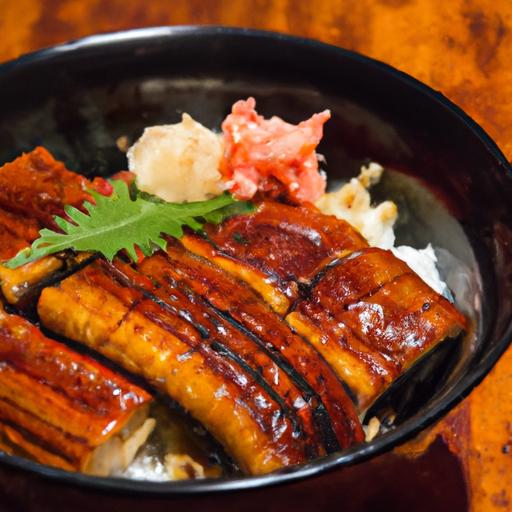
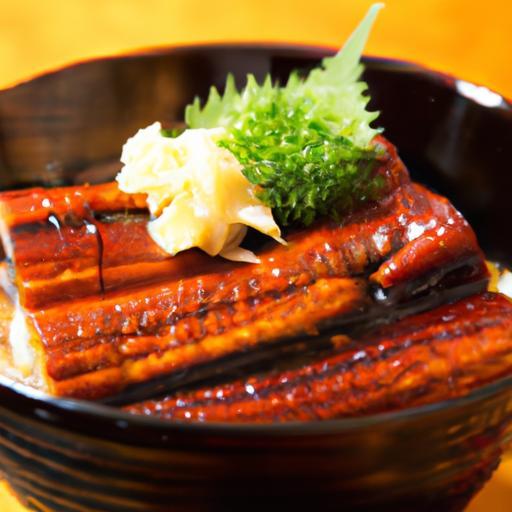
Beneath the glossy surface of glazed eel,nestled atop a bed of steaming rice,lies a culinary tradition that has charmed Japan for centuries. Unadon, or eel bowl, is more than just a meal-it is a harmonious blend of flavors, history, and culture simmered into every succulent bite. from humble street stalls to refined dining tables, this iconic dish tells a story of craftsmanship and seasonal ritual, inviting food lovers to savor not only its rich, smoky sweetness but also the heritage it carries. Join us as we dive into the savory depths of Unadon unveiled,exploring how this beloved Japanese delicacy continues to captivate palates and preserve a timeless tradition.
Unadon, the soulful Japanese eel bowl, captures the essence of time-honored culinary tradition with every savory, lacquered bite. Emerging from Edo-period Japan as a humble street food, this dish swiftly garnered acclaim for its perfect harmony between tender, grilled eel and subtly sweet soy-based sauce atop steaming white rice. Whether you’re seeking to evoke nostalgic memories or explore new depths in Japanese cuisine, mastering unadon invites you into a world of umami-rich flavors and cultural heritage that transcends mere sustenance.
Prep and Cook Time
- Preparation: 20 minutes
- Cooking: 15 minutes
- Total Time: 35 minutes
Yield
Serves 2 hearty portions
Difficulty Level
Medium – requires attention to grilling and sauce balance but approachable for dedicated home cooks.
Ingredients
- 2 fillets of fresh or pre-grilled unagi (eel) (about 150g each)
- 2 cups cooked Japanese short-grain rice
- 1/4 cup soy sauce
- 1/4 cup mirin (sweet rice wine)
- 2 tbsp sake
- 2 tbsp granulated sugar
- 1 tsp grated fresh ginger (optional, for subtle warmth)
- Sansho pepper (Japanese pepper) to taste, for garnish
- Toast sesame seeds (optional, for garnish)
- Freshly chopped scallions (optional)
Instructions
- Prepare the tare sauce: In a small saucepan, combine soy sauce, mirin, sake, and sugar. Add the grated ginger if using. Heat on medium and simmer gently until the mixture thickens slightly into a glossy glaze – about 8-10 minutes. Stir occasionally to dissolve sugar fully.
- Warm the unagi: If using pre-grilled eel, wrap it in foil and warm in a 350°F (175°C) oven for 5-7 minutes to regain tenderness. For fresh eel, grill lightly on a hot grill or skillet until just cooked through and slightly charred, about 4 minutes per side.
- glaze the eel: Brush half of the prepared tare sauce generously over the eel and place it back on the grill or under a broiler for 1-2 minutes. This step caramelizes the sauce,enhancing flavor and texture.
- fluff the rice: Gently loosen the cooked rice with a rice paddle or fork to create a light base for yoru unadon bowl.
- Assemble the bowl: Divide the rice between two bowls. Lay the lacquered eel fillets on top, then brush with the remaining tare sauce for vivid sheen and depth.
- Garnish and serve: Sprinkle the unadon with a light dusting of sansho pepper for a citrusy brightness, a scattering of toasted sesame seeds, and fresh scallions if desired. Serve promptly while steam rises enticingly from the bowl.
ChefS Notes
- Substitution tip: If fresh eel is unavailable, pre-grilled vacuum-packed unagi (found in Asian markets) produces excellent results with proper glazing and warming.
- Make-ahead tare: The tare sauce stores beautifully in the fridge for up to 2 weeks. This allows easy assembly during busy weeknights or for unexpected guests.
- Grilling alternative: When an outdoor grill isn’t accessible, a broiler or cast-iron skillet creates desirable caramelization and smoky notes.
- Rice preparation: Use freshly cooked Japanese short-grain rice for the ideal sticky texture. Leftovers tend to clump too much for authentic unadon experience.
- Spice it up: Sansho pepper is traditional, but a pinch of shichimi togarashi offers a bolder flavor contrast if you prefer.
Serving Suggestions
The beauty of unadon lies in its simplicity and balanced flavors. Serve alongside lightly pickled daikon radish or a crisp cucumber sunomono to cut through the richness. A warm bowl of miso soup with wakame seaweed pairs perfectly to round out the meal. For beverage pairing, chilled green tea or a delicate sake highlight the eel’s smoky sweetness without overpowering it.
| Nutrient | Amount per Serving |
|---|---|
| Calories | 520 kcal |
| Protein | 36 g |
| Carbohydrates | 65 g |
| Fat | 14 g |

To deepen your appreciation for japanese cuisine, explore our guide on sushi essentials for complementary techniques and fresh ingredient ideas. For scholarly insight on unagi’s historical role, the Japan-Guide website offers an authoritative resource tracing the eel’s rise in culinary culture.
Q&A
Q&A: Unadon Unveiled – The Savory Tradition of Japan’s Eel Bowl
Q1: What exactly is Unadon?
A1: Unadon, short for “unagi donburi,” is a beloved Japanese dish featuring tender, grilled eel glazed with a rich, sweet-savory tare sauce, served atop a steaming bowl of fluffy white rice. It’s a culinary harmony of smoky, caramelized eel and subtly seasoned rice-simple yet profoundly satisfying.
Q2: Where did Unadon originate?
A2: The origins of Unadon date back to the Edo period (1603-1868) in Japan. Street vendors in edo (modern-day Tokyo) popularized this dish as a speedy, hearty meal. its affordable price and comforting flavors quickly won the hearts of locals, becoming a staple of Japanese street food culture.
Q3: what makes Unadon so special compared to other eel dishes?
A3: What sets Unadon apart is its balance: the eel is expertly grilled over charcoal,developing a smoky aroma and slightly crispy exterior while preserving a melt-in-your-mouth texture. The tare sauce – a blend of soy sauce, mirin, sugar, and sake – is carefully reduced and brushed on to create a luscious glaze.Served on rice, it transforms into a bowl of umami-rich bliss that’s both rustic and refined.
Q4: Is unagi (eel) eaten year-round in Japan, or is it seasonal?
A4: While you can find unagi dishes throughout the year, Unadon holds special cultural importance during the “Doyo no Ushi no Hi” (the midsummer Day of the Ox). Traditionally, eating eel on this day is believed to replenish stamina and vitality during the hottest, most exhausting part of summer-making Unadon both a delicacy and a seasonal ritual.
Q5: How is Unadon typically served in Japan?
A5: Unadon is frequently enough presented as a single-layered bowl: grilled eel fillets neatly arranged over rice, finished with a glossy layer of tare sauce. It might potentially be accompanied by pickles and a bowl of clear soup or miso, creating a balanced meal.In some upscale restaurants, eel might be served in a lacquered box, offering a more ceremonial dining experience.
Q6: Can Unadon be enjoyed outside Japan?
A6: Absolutely! Thanks to global sushi bars and Japanese restaurants, Unadon has found fans worldwide. However, authentic Unadon’s magic lies in its fresh, high-quality eel and traditional preparation methods-so seek out chefs who honor these customs for the truest taste of Japan’s eel tradition.
Q7: Are there any health benefits or concerns related to eating Unadon?
A7: Unagi is rich in protein, omega-3 fatty acids, and vitamins A and E, making it a nutritious choice for brain and heart health. Though, as it is indeed a fatty fish with a sweet soy-based glaze high in sugar and sodium, moderation is key-enjoy Unadon as an occasional indulgence to balance taste and wellbeing.
Q8: How can someone recreate Unadon at home?
A8: Home cooks can bring a touch of Edo-period charm to their kitchen by grilling fresh eel fillets (commonly available frozen outside Japan), brushing on a homemade tare sauce made from soy, mirin, sake, and sugar. Serve over steamed rice and garnish with sansho pepper if desired. While mastering authentic charcoal grilling takes practice, a broiler or grill pan can produce appetizing, satisfying results.
Q9: Beyond Unadon, does unagi appear in other Japanese culinary traditions?
A9: Certainly! Eel is a versatile ingredient in Japanese cuisine.You’ll find it in kabayaki (grilled and glazed eel), shirayaki (plain grilled eel), sushi variants like unagi nigiri, and more elaborate multi-course kaiseki menus. But Unadon remains the most iconic, comforting way to savor eel’s rich flavors.
Q10: Why should someone try Unadon?
A10: Unadon is more than a dish-it’s a taste of Japan’s culinary history and cultural rhythm. every bite tells a story of tradition, craftsmanship, and seasonal celebration. Whether you seek comfort food, a savory adventure, or a way to connect with Japanese heritage, Unadon offers a delicious entry point that lingers long after the last grain of rice.
In Retrospect
As the final flakes of tender eel melt away and the last grains of glossy rice are savored,Unadon reveals itself not just as a dish,but as a story-a harmonious blend of heritage,craftsmanship,and flavor that has endured through centuries. This humble bowl, steeped in tradition, invites us to taste the essence of Japan’s culinary soul, where every glazed layer whispers tales of riverside artisans and time-honored rituals. Whether you’re a seasoned gourmand or a curious newcomer, the savory world of Unadon offers a delicious passage into Japan’s rich gastronomic tapestry-one bite at a time.