

There’s something truly magical about breaking bread-a timeless ritual that transcends borders and generations, bringing people together around the table to share stories, warmth, and flavor. In Europe, a continent steeped in rich culinary traditions, bread is far more than mere sustenance; it is indeed a symbol of culture, history, and community. From the crusty baguettes of France to the hearty rye loaves of Scandinavia, each recipe carries its own tale, inviting us to savor not just the taste but the heritage baked within. In this article, we journey through these iconic European breads, uncovering classic recipes that have stood the test of time and continue to enrich our tables and hearts today. Get ready to roll up your sleeves and embark on a delicious adventure that celebrates the art of bread-making in all its glorious variety.
Breaking bread with conventional European flour and flavor combinations opens a world of rustic aromas, time-honored techniques, and cultural richness that transform every loaf into a sensory journey. From the fragrant olive oil-kissed focaccia of Italy’s Ligurian coast to the crisp, airy crumb of a classic French baguette, these breads celebrate regional ingredients and centuries-old craftsmanship. Each bite carries a story, a connection to place, and the mastery that turns simple dough into edible art.
Prep and Cook Time
- Preparation: 30 minutes (plus rising time)
- Cook Time: 20-25 minutes for focaccia; 25-30 minutes for baguette
- Total: Approximately 3 hours (including fermentation)
Yield
Serves 6 to 8 slices per loaf
difficulty Level
Medium: Requires patience and basic bread handling techniques
Ingredients
- 3 ½ cups Italian “00” flour (for focaccia) or French T65 flour (for baguette)
- 1 ¼ cups lukewarm water (about 80°F/27°C)
- 2 tsp fine sea salt
- 1 tsp active dry yeast
- ⅓ cup extra virgin olive oil (for focaccia dough and topping)
- Fresh rosemary springs and coarse sea salt (for focaccia topping)
- Optional: 1 tsp honey or sugar to aid fermentation (especially for baguette)
Instructions
- Activate the yeast: In a small bowl, combine the lukewarm water with yeast (and honey if using). Let sit for 5-10 minutes until foamy, signaling active yeast.
- Mix the dough: In a large mixing bowl,combine the flour and sea salt. create a well in the center and pour in the yeast mixture and half the olive oil. Stir gently with a wooden spoon until the dough begins to come together.
- Knead: Transfer dough to a floured work surface. Knead for 8-10 minutes until smooth and elastic. For focaccia, the dough remains slightly tacky; avoid over-flouring.
- First rise: Place dough in a lightly oiled bowl, cover with a damp cloth, and let rise in a warm spot for 1-1.5 hours or until doubled in volume.
- Shape (Focaccia): Transfer dough to a generously oiled baking sheet. Use your fingers to dimple deeply into the surface. Drizzle with remaining olive oil, scatter rosemary and coarse salt evenly. For baguette, gently stretch and fold dough on a floured surface into a long, narrow shape, then set on a floured proofing cloth.
- Second rise: Cover and let rest for 45 minutes until puffy.
- Bake: Preheat oven to 450°F (230°C). Place a tray with water on the bottom rack to create steam (critical for crust advancement).Bake focaccia for 20-25 minutes until golden and crisp. Bake baguette on a preheated baking stone or tray with steam for 25-30 minutes, rotating halfway for even browning.
- Cool: Transfer to a wire rack and allow bread to cool slightly before slicing to let the crumb set and enhance flavor.
Tips for Success
- Use high-quality flours such as Italian “00” or French T65 to recreate authentic texture and flavor.
- Don’t rush the fermentation: slow, cold fermentation overnight deepens flavor and creates a better crumb.
- In focaccia, dimpling the dough traps olive oil and seasoning, preventing large air pockets and imparting texture.
- For baguette, scoring with a razor blade right before baking controls expansion and creates the signature crust cracks.
- If your dough is sticky, lightly oil your hands instead of adding flour to maintain dough hydration and softness.
- Make-ahead: Both doughs can be refrigerated after the first rise for up to 24 hours-simply bring to room temperature before shaping.
Serving Suggestions
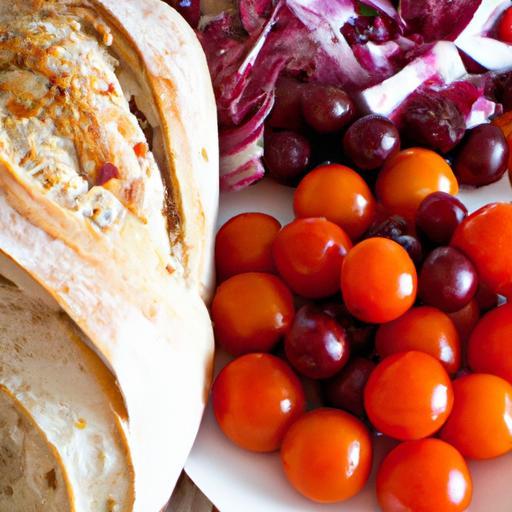
These traditional breads shine when served fresh with regionally inspired accompaniments. Pair your focaccia with creamy Italian cheeses such as burrata or taleggio and a drizzle of aged balsamic vinegar. The baguette’s crisp crust and tender crumb perfectly match creamy French brie, nutty comté, or a robust blue cheese. Complement your bread and cheese with a glass of Sangiovese from Tuscany or a classic Bordeaux blend for a truly immersive European taste experience.
Garnish focaccia slices with fresh rosemary sprigs or flakes of sea salt just before serving. For baguette, a simple brush of herb-infused butter can elevate its rustic charm.
| Nutrient | Per Serving (1 slice) |
|---|---|
| Calories | 150 |
| Protein | 5g |
| Carbohydrates | 28g |
| Fat | 4g |
Discover more authentic european cheese pairings to complement your breads. For further mastery on sourdough techniques, visit the King Arthur baking Company’s baguette recipe-a trusted resource in artisan bread baking.

Q&A
Q&A: Exploring “Breaking Bread: Timeless European Recipes to Savor”
Q1: What inspired the creation of “Breaking Bread: Timeless European Recipes to Savor”?
A1: The essence of the book stems from a love of tradition and community. Bread has always been more than just sustenance in Europe-it’s a cultural symbol, a story passed down through generations. The cookbook aims to celebrate these rich, diverse traditions by bringing authentic, time-honored European bread recipes into modern kitchens.
Q2: Which European regions are featured in the collection?
A2: The recipes traverse a delicious journey across Europe-from the crusty baguettes of France and hearty German rye breads to the aromatic olive breads of Italy and the tangy sourdough of Eastern Europe. Each region’s unique climate, ingredients, and history shape its baking styles, making the collection wonderfully varied.
Q3: Are the recipes accessible for novice bakers?
A3: Absolutely. While the book honors traditional techniques, it welcomes bakers of all skill levels. Clear instructions, helpful tips, and troubleshooting advice accompany each recipe, making the craft of breadmaking approachable and rewarding-even for beginners.
Q4: How does the book address the cultural meaning of bread?
A4: Beyond recipes, “Breaking Bread” weaves in fascinating stories and past anecdotes that reveal how bread has united communities, marked celebrations, and symbolized hospitality. it reminds readers that baking bread is not just a culinary act but a way to connect with heritage and one another.
Q5: Can readers expect modern twists on classic recipes?
A5: While the focus is on authenticity, the book also embraces subtle contemporary adaptations-be it through ingredient substitutions or updated baking methods-to suit today’s kitchens without losing the soul of the originals.
Q6: What makes this cookbook stand out from other bread-making guides?
A6: Its heart is in storytelling, blending culinary technique with cultural exploration. Readers don’t just learn how to bake bread; they experience a sensory voyage through europe’s culinary landscape-discovering how a simple loaf can carry centuries of tradition and meaning.
Q7: Are there pairing suggestions included?
A7: Yes! Each bread recipe is paired with thoughtful suggestions-cheeses, spreads, wines, or meals-that enhance the tasting experience, encouraging readers to savor not just the bread itself but the full harmony of flavors it inspires.
Q8: how can “Breaking Bread: timeless European recipes to Savor” enrich a home baker’s repertoire?
A8: It invites bakers to slow down and savor the process, unlocking the magic behind fragrant loaves infused with history. By mastering these recipes, readers expand their skills and deepen their gratitude for a culinary art form that’s as much about community and culture as it is about flavor.
In Conclusion
As the aroma of freshly baked bread fills your kitchen and the flavors of centuries-old European recipes dance on your palate, you’ve embarked on more than just a culinary journey-you’ve connected with a rich tapestry of culture, tradition, and history. These timeless breads are more than sustenance; they are stories kneaded into dough, passed down through generations, inviting you to savor not just a meal but a shared heritage. So next time you break bread, remember: each slice carries a legacy, a warm invitation to gather, to celebrate, and to cherish the simple, enduring joys that unite us all across time and continents.