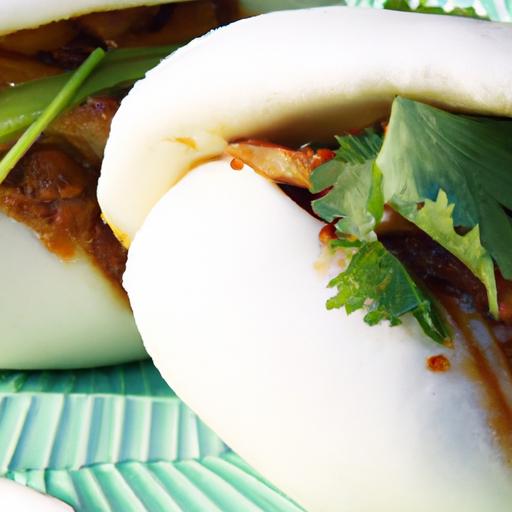
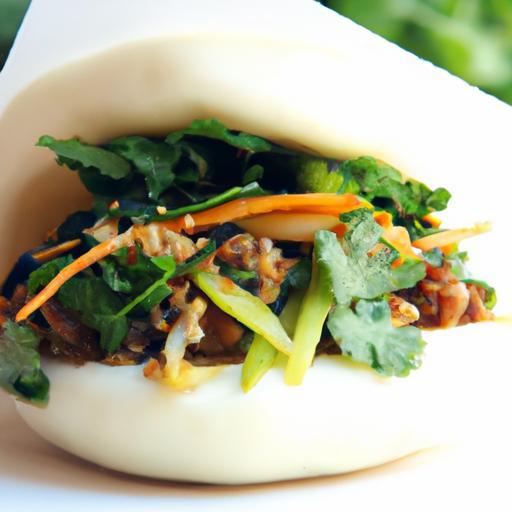
Stepping into the vibrant world of Taiwanese street food,one cannot overlook the enchanting allure of the vegetarian gua bao-a heavenly pocket of flavor that has won hearts far beyond its island origin. Frequently enough dubbed the “Taiwanese burger,” this delightful treat marries tradition with innovation, wrapping savory, plant-based fillings in a pillowy, steamed bun that’s as soft as a cloud. In this article, we’ll explore how this vegetarian rendition of gua bao transforms humble ingredients into a symphony of tastes and textures, proving that meatless can be just as mouthwatering, if not more. Prepare to embark on a flavorful journey where every bite tells a story of culture, creativity, and culinary craftsmanship.
Heavenly Taiwanese Vegetarian Gua Bao offers a divine taste adventure with its pillowy steamed buns enveloping a tapestry of vibrant, layered fillings.Originating from the bustling street markets of Taiwan, this iconic snack is beloved for its harmonious blend of textures and bold, comforting flavors. Adapting it to a vegetarian format reveals a brilliant world of fresh and umami-rich ingredients,transforming each bite into a soulful experience that celebrates both tradition and innovation.
Prep and Cook Time
- Readiness: 45 minutes
- Resting/Proofing dough: 1 hour 30 minutes
- Steaming: 15 minutes
- Total Time: 2 hours 30 minutes
yield
Makes approximately 12 gua bao buns, serving 4-6 people
Difficulty Level
Medium – Requires some patience with dough proofing and multi-layered fillings but very rewarding.
ingredients
- For the Steamed Buns:
- 2 cups all-purpose flour, sifted
- 2 tablespoons sugar
- 1 teaspoon instant yeast
- ½ teaspoon baking powder
- ¾ cup warm water (about 110°F/43°C)
- 2 tablespoons vegetable oil
- For the Vegetarian Filling:
- 1 block (14 oz) firm tofu, pressed and sliced ½-inch thick
- 2 tablespoons soy sauce
- 1 tablespoon hoisin sauce
- 1 tablespoon sesame oil
- 2 cloves garlic, minced
- 1 teaspoon grated ginger
- 1 cup shiitake mushrooms, thinly sliced
- 1 cup napa cabbage, shredded
- 1 medium carrot, julienned
- 2 green onions, sliced on the bias
- ½ cup fresh cilantro leaves
- 1 tablespoon toasted sesame seeds
- For Pickled Vegetables:
- ½ cup white vinegar
- ½ cup water
- 2 tablespoons sugar
- 1 teaspoon salt
- 1 small daikon radish, thinly sliced
- 1 small carrot, thinly sliced
- Sauces and Garnishes:
- hoisin sauce, for drizzling
- Sriracha or chili garlic sauce, optional
- Fresh cilantro sprigs
- crushed roasted peanuts (optional)
Instructions
- Prepare the dough: In a large mixing bowl, combine the sifted flour, sugar, instant yeast, and baking powder. Gradually add warm water while stirring to form a rough dough.
- Knead the dough: Turn onto a floured surface and knead for 8-10 minutes until smooth and elastic. Add the vegetable oil and continue kneading for 2 more minutes until absorbed.
- First proof: Place the dough in an oiled bowl, cover with a clean towel, and let rise in a warm spot for about 1 hour or until doubled in size.
- Shape the buns: Punch down the dough and roll it into a log. Cut into 12 equal pieces. roll each piece into a small oval about 4 inches long.
- Form the baos: Lightly brush the top oval side of each piece with vegetable oil.Fold each oval in half and place between parchment paper squares to prevent sticking.
- Second proof: Let the shaped buns rest for 30 minutes to puff slightly.
- Steam the buns: Arrange baos in a steamer lined with parchment and steam over boiling water for 12-15 minutes until fluffy and tender.
- Pickle the vegetables: Combine vinegar, water, sugar, and salt in a bowl. Stir until sugar dissolves. Submerge daikon and carrot slices, refrigerate for at least 30 minutes.
- Prepare tofu and fillings: Heat sesame oil in a pan over medium heat. Add garlic and ginger, sauté until fragrant (about 1 minute). Add sliced shiitake mushrooms and napa cabbage, cooking until softened, about 5 minutes.
- Marinate tofu: Toss tofu slices in soy sauce and hoisin sauce.
- Pan-fry tofu: In a non-stick skillet, fry tofu on each side over medium heat until golden brown and slightly crispy, approximately 3 minutes per side.
- assemble the gua bao: Open a steamed bun gently, spread a light drizzle of hoisin sauce inside. Layer carrot and daikon pickles, sautéed vegetables, tofu slices, green onions, fresh cilantro, and a sprinkle of toasted sesame seeds.
- Final touch: Add sriracha or chili garlic sauce for heat, if desired. Serve instantly to enjoy the interplay of warm, tender buns and crisp fresh textures.
Tips for Success
- For exceptionally fluffy buns, ensure the water temperature for yeast activation is warm but not hot (around 110°F/43°C).
- Press tofu overnight or at least 30 minutes to remove excess water and improve texture.
- Customize fillings with other hearty veggies like bamboo shoots, lotus root, or tempeh for extra depth.
- Make the pickled vegetables a day ahead for enhanced tanginess and crunch.
- To keep steamed buns soft, cover them tightly with a damp cloth post-steaming until served.
Serving Suggestions
Present your Heavenly Taiwanese Vegetarian Gua Bao on a rustic wooden board for inviting charm. Arrange multiple baos with small bowls of dipping sauces-hoisin,peanut hoisin,or a tangy chili-garlic dip. Garnish with fresh cilantro sprigs and crushed roasted peanuts for added texture and aroma. A side of lightly pickled cucumbers or a crisp Asian slaw will complete the meal,making it perfect for sharing at any casual gathering or festive feast.
| Nutrient | Per Serving (2 baos) |
|---|---|
| Calories | 320 kcal |
| Protein | 12 g |
| Carbohydrates | 45 g |
| Fat | 8 g |

For a deeper dive into Taiwanese vegetarian cuisine and complementary dishes, explore our comprehensive Taiwanese Vegetarian Recipes collection. To learn more about authentic Taiwanese street foods, visit Taiwan Tourism Bureau for insights and cultural perspectives.
Q&A
Q&A: Heavenly Taiwanese Vegetarian Gua Bao – A Flavorful Delight
Q1: What exactly is a Taiwanese Gua Bao?
A1: Imagine a fluffy, pillowy steamed bun embraced like a warm hug, filled with savory, succulent ingredients that burst with flavor in every bite-that’s a Taiwanese Gua Bao. Often dubbed the “Taiwanese burger,” it traditionally consists of a soft white bun folded around braised pork belly, pickled mustard greens, crushed peanuts, and fresh cilantro. but the vegetarian version takes this beloved street food to a whole new,plant-powered level!
Q2: How does the vegetarian Gua Bao differ from the traditional one?
A2: Instead of the classic tender pork belly,the vegetarian Gua Bao swaps in hearty,meat-free alternatives like marinated mushrooms,tofu,or seitan,masterfully seasoned to mimic that rich,umami-packed depth. Toss in crunchy pickles, fresh herbs, spicy condiments, and a touch of sweetness, and you have a guilt-free, mouthwatering delight that doesn’t compromise on flavor.
Q3: What makes the vegetarian Gua Bao “heavenly”?
A3: The magic lies in the balance of textures and tastes-soft, pillowy buns, chewy yet juicy fillings, crisp pickles, nutty crunch, and vibrant fresh herbs, all layered with savory-sweet sauces. This symphony of flavors creates a sensory experience that’s light yet deeply satisfying, embodying the essence of Taiwanese street food while celebrating plant-based goodness.
Q4: Can vegetarian Gua Bao be made at home?
A4: Absolutely! While mastering the perfect steamed bun can be an art, many home cooks rise to the challenge with enthusiasm. The bun dough requires simple ingredients-flour, yeast, sugar, and water-and a bit of patience to steam to fluffy perfection. Fillings like marinated mushrooms or fried tofu are easy to prepare with pantry staples and can be customized with your favorite spices and sauces.
Q5: Are there health benefits to choosing a vegetarian Gua Bao?
A5: Yes! By opting for vegetarian ingredients, you reduce saturated fat intake and increase your consumption of fiber, vitamins, and antioxidants found in vegetables and plant proteins.It’s a wonderfully balanced meal that nourishes your body while satisfying your cravings for rich, complex flavors.
Q6: Where can food lovers enjoy authentic vegetarian Gua Bao?
A6: Taiwan’s bustling night markets naturally come to mind, but vegetarian Gua Bao has gained international fame. Many Taiwanese restaurants worldwide now feature plant-based options on their menus, especially in cities with vibrant food scenes. Exploring local Asian markets or street food festivals can also lead you to this delightful treat.
Q7: Any tips for first-timers trying vegetarian Gua Bao?
A7: Dive in with an open mind and a hungry appetite! Pay attention to the interplay of flavors-don’t shy away from mixing sweet, salty, and tangy components. If making it at home, take your time steaming the buns just right and experimenting with different fillings and toppings. And moast importantly, savor every mouthful of this fragrant, fluffy, and flavorful treasure from Taiwan.
discovering Taiwanese vegetarian Gua Bao is like uncovering a little piece of culinary heaven-soft, savory, and endlessly satisfying.Whether you’re vegan, curious, or simply love good food, this flavorful delight invites you to taste taiwan’s rich heritage in a wholly plant-based way.
Concluding Remarks
In the vibrant tapestry of Taiwanese cuisine, the vegetarian gua bao stands out as a testament to the art of flavor and tradition harmoniously intertwined. This heavenly delight, with its pillowy bun cradling a symphony of fresh, savory ingredients, invites both seasoned food lovers and curious newcomers to experience a meal that is as nourishing as it is indeed appetizing. Whether enjoyed as a street-side snack or a cherished home-cooked treasure, the vegetarian gua bao offers more than just taste-it delivers a cultural embrace in every bite. As you embark on your own culinary adventures, let this flavorful delight inspire you to explore the rich, plant-based heritage of Taiwan, one gua bao at a time.