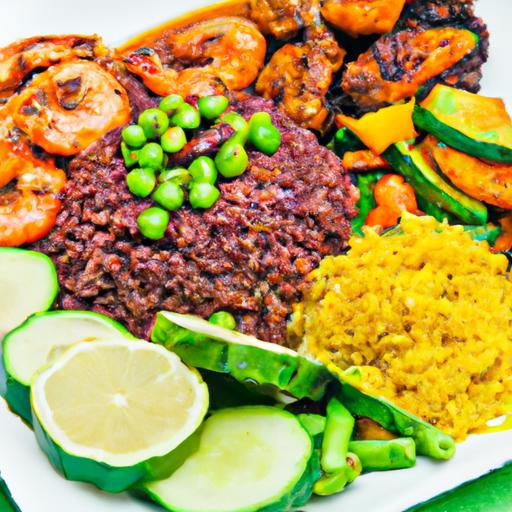

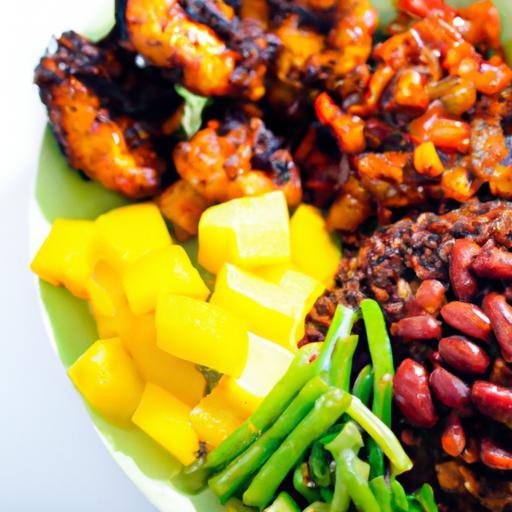
In the vibrant tapestry of Ghanaian cuisine, few dishes capture the heart and history of the nation quite like waakye. This beloved rice and beans ensemble, steeped in tradition and bursting with flavor, is more than just a meal-it’s a cultural icon that tells stories of community, celebration, and everyday life. From bustling street corners to festive gatherings, waakye serves as a comforting reminder of Ghana’s rich culinary heritage. Join us as we embark on a flavorful journey through the origins, planning, and enduring charm of waakye, uncovering the wonders behind Ghana’s iconic rice and beans delight.
Waakye Wonders immediately brings to mind the rich tapestry of Ghanaian flavors,where the marriage of rice and beans creates a vibrant,hearty dish beloved by locals and visitors alike. Originating as a street food staple in Ghana, waakye is more than just sustenance-it’s a cultural emblem that tells stories of community, celebration, and culinary ingenuity dating back generations.
Prep and Cook Time
- Preparation Time: 15 minutes
- Cooking Time: 1 hour 15 minutes
- Total Time: 1 hour 30 minutes
Yield
Serves 6 hearty portions
Difficulty Level
Medium – a rewarding endeavor for intermediate home cooks ready to explore authentic West African flavors
Key Ingredients for Authentic Waakye
- 2 cups long-grain parboiled rice, rinsed and drained
- 1 cup dried red kidney beans, soaked overnight
- 1 teaspoon dried millet leaves or waakye leaves (for natural reddish color and earthy flavor)
- 4 cups water (or as needed for cooking)
- 1 teaspoon salt, adjust to taste
- 2 tablespoons palm oil (for tempering)
- 1 onion, sliced (for added freshness during boiling)
Traditional Preparation Techniques
The soul of waakye lies in its slow simmering process, an age-old technique that yields the perfect balance of soft beans and fluffy rice, enhanced by the subtle smoky notes the millet leaves impart. Traditionally, waakye cooks in large pots over open fires, but the magic can be recreated on your stovetop.
Start by boiling the soaked beans with the dried millet leaves and some salt. Once the beans are tender but still hold their shape,add the rice directly into the pot without draining. The introduction of palm oil at this stage is crucial-it gives waakye its signature reddish-brown hue and a gentle nutty aroma. Cook uncovered intermittently, allowing some evaporation and melding of flavors, stirring carefully to prevent sticking.
Step-by-Step Instructions for Waakye Wonder
- Soak the beans overnight in cold water to soften; drain before cooking.
- in a large pot, combine soaked beans, dried millet leaves, sliced onion, and 4 cups water. Bring to a boil over medium heat.
- Reduce heat to low, cover, and simmer for about 45 minutes, or until beans are tender, stirring occasionally to prevent burning.
- Add rinsed rice directly into the pot with the beans. Stir to combine gently.
- Pour in palm oil and sprinkle salt evenly. Stir carefully to distribute color and seasoning.
- Cover pot partially-leaving a small opening to let steam escape-and continue simmering for 25-30 minutes, or until rice is cooked through and fluffy.
- Turn off heat and allow waakye to rest, covered, for 10 minutes to let flavors settle.
- Discard millet leaves and onions before serving to avoid astringency.
Chef’s Tips for Perfect Waakye Wonders
- Substitute millet leaves with dried sorghum leaves or a pinch of paprika if unavailable; the color might potentially be less intense but flavor remains authentic.
- Use freshly ground palm oil for a richer aroma; avoid highly refined oils which lack depth.
- Simmer on low heat and stir occasionally to avoid rice sticking to the pot’s base-using a heavy-bottomed pot helps.
- For a quicker version, use canned beans-but reduce the water quantity accordingly to maintain texture.
- To make in advance,prepare waakye fully,then reheat gently with a splash of water to restore moisture.
Must-Try Waakye Variations Across Ghanaian Regions
Though waakye’s base remains rice and beans, regional twists elevate its charm. In Accra,it’s commonly served with gari (fermented cassava granules),shito (spicy fish and chili sauce),boiled eggs,and fried plantains. Northern Ghana adds a smoky touch with dried fish and hot pepper sauce.Some coastal regions complement waakye with fresh avocado or grilled meats, making the dish a versatile canvas for flavors.
Where to Savor authentic Waakye and Expert Serving Tips
Street markets from the bustling streets of Accra to Tamale’s vibrant stalls offer the most authentic waakye experiences. Each serving bursts with complementary side dishes like rib-eye beef stew, spaghetti tossed in tomato sauce, fried fish, or spicy kelewele (fried plantain cubes). For an effortless presentation at home, layer waakye on a plain plate; garnish with sliced hard-boiled eggs, fresh tomato wedges, and a generous dollop of shito or pepper sauce. A crisp salad on the side balances the richness, while a glass of chilled sobolo (hibiscus drink) completes the meal.
| Nutrient | Per Serving (approx.) |
|---|---|
| Calories | 420 kcal |
| Protein | 12 g |
| Carbohydrates | 70 g |
| Fat | 8 g |

Discover more about West African staples and their fascinating histories in our Ghanaian cuisine Classics series.
For further culinary insights into African beans and rice dishes, visit Encyclopedia Britannica’s African Cuisine.
Q&A
Q&A: Waakye Wonders – Exploring Ghana’s Iconic Rice and Beans Delight
Q1: What exactly is Waakye?
R1: Waakye is Ghana’s beloved street food star-a vibrant, flavorful dish of rice and black-eyed beans cooked together, often infused with dried millet leaves that give it a rich, earthy hue. It’s a hearty, comforting meal celebrated across the country, serving as both a daily staple and a festive feast.
Q2: How did Waakye get its unique reddish-brown color?
A2: The secret behind Waakye’s distinct color lies in the use of dried sorghum or millet leaves, called ‘waakye leaves,’ which are boiled with the rice and beans. This natural ingredient not only lends a captivating reddish-brown tint but also imparts a subtle, smoky aroma that elevates the dish’s flavor profile.
Q3: What makes Waakye more than just rice and beans?
A3: Waakye is a symphony of textures and tastes. It’s typically served with a medley of accompaniments-spicy shito sauce, creamy gari (grated cassava), tender boiled eggs, fried plantains, and sometimes meat stews or fish. This ensemble transforms the humble rice and beans into a vibrant culinary celebration that excites every palate.
Q4: Why is Waakye so deeply rooted in Ghanaian culture?
A4: Beyond being a delicious meal, Waakye is a cultural icon symbolizing community, resilience, and everyday life in Ghana. It’s a dish that brings people together-from bustling street corners to family tables-offering nourishment and comfort. Its affordability and nutritional value also reflect the resourcefulness and warmth characteristic of Ghanaian hospitality.
Q5: Can Waakye be enjoyed at any time of the day?
A5: Absolutely! While traditionally enjoyed for breakfast or lunch, Waakye’s hearty and fulfilling nature makes it perfect for any mealtime.Early risers grab it as a speedy energy boost, while others savor it late into the evening, making it a flexible favorite that keeps Ghanaian city streets alive from dawn till dusk.
Q6: How can someone outside Ghana experience the magic of waakye?
A6: Explore Ghanaian or West African restaurants in your area, or try making Waakye at home! Start with cooking rice and beans together, add dried millet or sorghum leaves if available, and don’t forget the shito sauce for kick. Pair it with boiled eggs or fried plantains to truly capture the spirit of this iconic dish. The key is embracing its communal vibe-share it, celebrate it, savor it.
Q7: What makes Waakye stand out among other rice and beans dishes worldwide?
A7: Waakye’s magic is in its balance-nutritious, vibrant, and utterly flavorful. Unlike many rice and beans dishes that treat the ingredients simply,Waakye is a carefully layered experience,marrying earthy hues,spicy heat,and diverse textures. It tells a story of Ghana’s rich agricultural heritage and zest for life, making it more than just food-it’s an edible celebration.
Embark on your culinary journey with Waakye, and discover why this humble Ghanaian delight continues to enchant taste buds and hearts around the world.
Concluding Remarks
As the aroma of waakye lingers in the air and the vibrant colors of its accompaniments paint a delicious picture, it’s clear that this humble dish is far more than just a meal-it’s a celebration of ghana’s rich culinary heritage. From bustling Accra streets to cozy kitchens across the world, waakye continues to unite people through its comforting flavors and cultural significance. So, whether you’re a curious foodie or a seasoned traveler, diving into a plate of waakye offers more than nourishment-it’s an invitation to savor the stories, traditions, and spirit of Ghana itself. Next time you come across this iconic rice and beans delight, remember: you’re not just tasting food; you’re experiencing a vibrant piece of Ghanaian identity.