
Step into the savory world of English cooking, where classic flavors meet timeless traditions and every meal tells a story. From hearty stews simmering with rich herbs to delicate puddings that melt in your mouth, mastering English cuisine is an adventure that invites both curiosity and creativity. Whether you’re a seasoned chef or a curious home cook, unlocking the secrets behind these beloved dishes can transform your kitchen into a haven of comforting tastes and delightful textures. In this article, we’ll reveal essential tips that will help you navigate the nuances of English cooking, empowering you to create authentic meals that capture the heart of this iconic culinary heritage. Get ready to elevate your cooking skills and savor the true art of english fare.
Master the art of English Cooking: Essential Tips Revealed begins with an gratitude of authentic flavors found in conventional English ingredients that have shaped beloved classics for centuries. Imagine the earthy aroma of fresh mingling with rich as you cook,or the comforting warmth of -these signature elements are the soul of English cuisine. Understanding how to layer such time-honored ingredients allows every home cook to capture the true essence of England’s culinary heritage and elevate simple dishes into memorable experiences.
Prep and Cook Time
- Prep Time: 20 minutes
- Cook Time: 1 hour 15 minutes
- Total Time: 1 hour 35 minutes
Yield
Serves 4 hearty portions
Difficulty level
Medium - approachable for excited home cooks ready to deepen their English cooking skills.
Ingredients
- 500g beef chuck, cut into 2-inch cubes
- 2 tbsp beef dripping or vegetable oil
- 1 large onion, finely chopped
- 3 cloves garlic, minced
- 2 large carrots, sliced
- 200g button mushrooms, halved
- 2 tbsp all-purpose flour, sifted
- 1 tbsp tomato purée
- 500ml beef stock, preferably homemade or low-sodium
- 250ml dark ale or stout (optional but traditional)
- 2 sprigs fresh thyme
- 1 bay leaf
- Salt and freshly ground black pepper, to taste
- Fresh parsley, chopped (for garnish)
Instructions
- Preheat your oven to 160°C (320°F). Pat the beef cubes dry with paper towels to ensure thay brown beautifully.
- heat the beef dripping in a heavy-based casserole or oven-safe pot over medium-high heat. Sear the beef in batches, avoiding overcrowding, until browned on all sides, about 5 minutes per batch. Remove and set aside.
- Add the onion and garlic to the pot. Sauté until soft and fragrant, about 5 minutes, stirring regularly to avoid burning.
- Stir in the sliced carrots and mushrooms, cooking another 5 minutes to capture their natural sweetness.
- Sprinkle the flour over the vegetables and stir well to coat everything evenly. This step thickens the stew gently as it simmers.
- Mix in the tomato purée and cook for 2 minutes to deepen its flavor.
- Return the beef to the pot.Pour in the beef stock and dark ale, stirring to combine.
- Add the thyme sprigs and bay leaf. Season with salt and freshly ground black pepper.
- Bring the mixture to a gentle simmer, then cover with a lid and transfer to the oven.
- Braise for 1 to 1¼ hours until the beef is meltingly tender and the sauce rich and glossy.
- Remove from the oven, discard the bay leaf and thyme stems, and adjust seasoning if necessary.
- Garnish with freshly chopped parsley before serving.
Tips for Success
- Use beef dripping if possible; it lends a distinctive,savory depth traditional to English stews.
- Patting the beef dry before searing helps develop the perfect caramelized crust essential to rich flavor.
- Don’t rush the flour step-baking it briefly with vegetables removes the raw taste and thickens the sauce smoothly.
- If dark ale isn’t available, substitute with a robust stout or even quality beef broth for authenticity.
- This stew can be made a day ahead; flavors deepen overnight, making it ideal for entertaining.
Serving Suggestions
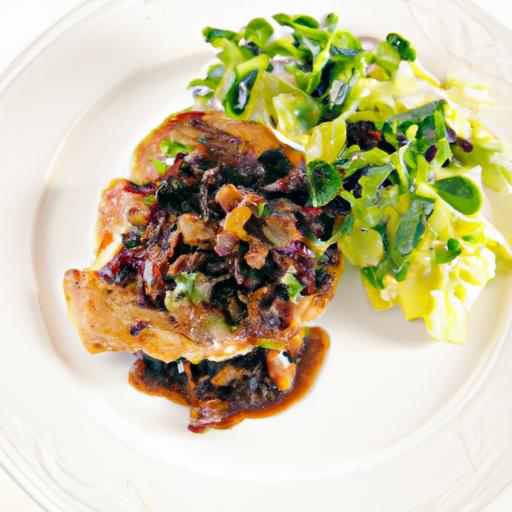
Present this classic English beef stew with fluffy creamed mashed potatoes or buttery rustic crusty bread to soak up the luscious gravy. For a vibrant contrast,add a side of braised red cabbage or crisp steamed green beans. A sprinkle of fresh parsley brightens the plate, enhancing the dish visually and in flavor.

Nutritional Facts
| Nutrient | Per Serving |
|---|---|
| Calories | 450 kcal |
| Protein | 42 g |
| Carbohydrates | 18 g |
| Fat | 20 g |
To expand your mastery, explore our in-depth guide to essential English cooking techniques and for trusted sourcing of traditional ingredients, visit British Food Heritage.
Q&A
Q&A: Master the Art of english Cooking – Essential Tips Revealed
Q1: What defines authentic English cooking?
A1: Authentic English cooking is all about hearty, comforting dishes that celebrate simple, quality ingredients. Think roasted meats, seasonal vegetables, rich gravies, and traditional staples like Yorkshire pudding, fish and chips, and stews. It emphasizes slow, thoughtful cooking processes that bring out deep, satisfying flavors.
Q2: What are some must-have ingredients in English cuisine?
A2: Key ingredients include root vegetables (like carrots, parsnips, and potatoes), fresh herbs such as thyme and rosemary, British cheeses, quality cuts of beef and lamb, malt vinegar, and ale. Don’t forget classics like english mustard and golden syrup, which add unique character to many recipes.
Q3: How can I master the British Sunday roast at home?
A3: The Sunday roast is a crown jewel. Start by selecting a good cut of meat-beef, lamb, or chicken.Season generously, roast until tender and juicy, and make crispy roast potatoes to perfection. Complement with homemade Yorkshire puddings,freshly steamed seasonal vegetables,and rich gravy made from pan drippings. Timing and patience are essential!
Q4: Any tips for nailing classic English puddings?
A4: English puddings range from savory to sweet,but key tips include gentle folding of batters for airy textures,proper soaking times for steamed puddings,and using quality dried fruits. For desserts like spotted dick or treacle tart,balance sweetness with a hint of acidity or spice to keep flavors vibrant.
Q5: How does one bring traditional English flavors into modern cooking?
A5: Modern English cooking thrives on innovation rooted in tradition. Try deconstructing classics-turn shepherd’s pie into a layered casserole with quinoa and roasted veggies, or infuse traditional stews with exotic spices.Use contemporary cooking techniques like sous vide to enhance texture and retain moisture while keeping that unmistakable English soul.
Q6: What cooking methods are prevalent in English kitchens?
A6: roasting, boiling, stewing, and baking are foundational. Roasting brings out caramelized flavors, boiling is key for vegetables and puddings, while stewing slowly melds flavors in heartwarming dishes.Baking is central to breads, pies, and pastries.Mastering these methods means you’re halfway to timeless English culinary mastery.
Q7: Any advice for beginners wanting to explore English cooking?
A7: Start simple! Try perfecting a classic like fish and chips or a comforting stew. Use fresh, local ingredients and don’t rush the cooking process. Read recipes fully before starting, and embrace the joy of tasting and adjusting seasoning as you go.Remember,English cooking is as much about patience and love as it is about technique.
Q8: How important is presentation in English cooking?
A8: While English food traditionally celebrates flavor over flair,presentation still matters. A well-plated roast with vibrant veggies or a golden Yorkshire pudding invites anticipation. Rustic charm is embraced, so don’t stress over perfection-let the colors, textures, and hearty portions speak for themselves.
Q9: Can you reccommend a quintessential English dish for beginners?
A9: Absolutely! Shepherd’s pie is a fantastic starting point.It’s straightforward, comforting, and showcases key elements of English cooking: minced lamb or beef, creamy mashed potatoes, seasonal vegetables, and a savory gravy. Plus, it adapts well to your personal taste and ingredient availability.
Q10: Where can I find inspiration to dive deeper into english cooking?
A10: Explore classic british cookbooks by authors like Delia Smith and Nigel Slater. Visit local English markets or specialty shops for authentic ingredients. Watching cooking shows focused on English cuisine can provide visual guidance and ignite creativity. Most importantly, experiment in your kitchen-English cooking is about making tradition your own.
In Summary
As you close the chapter on these essential tips, remember that mastering the art of English cooking is not just about recipes-it’s about embracing a rich culinary heritage with patience, passion, and a pinch of creativity.Whether you’re perfecting a traditional Sunday roast or experimenting with classic puddings, these foundational insights will guide you toward authentic flavors and timeless dishes. So don your apron, sharpen your knives, and step confidently into a kitchen filled with history, comfort, and endless possibilities. Your journey to English cooking mastery has only just begun.