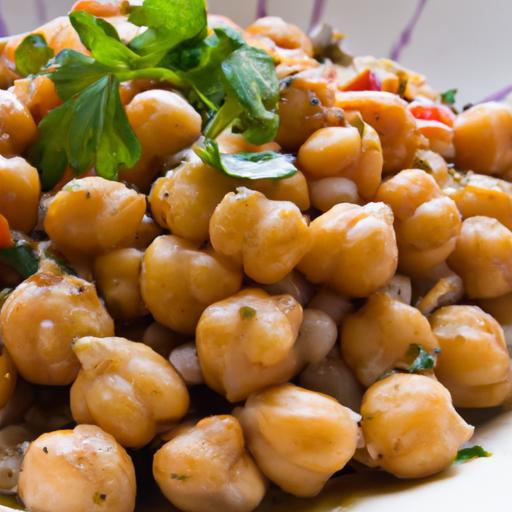
In the bustling streets of Tunisia, where vibrant markets brim with spices and the scent of simmering stews fills the air, one humble dish has quietly won the hearts-and stomachs-of locals and travelers alike. Lablabi, a warm, comforting chickpea soup, is far more then just a simple meal; it is a flavorful emblem of Tunisian heritage and resilience. This hearty bowl, rich with history and layered with bold, zesty flavors, invites you to uncover the story behind Tunisia’s beloved chickpea classic. Join us as we unveil Lablabi, exploring its origins, unique ingredients, and the enduring warmth it brings to tables across the country.
Lablabi, the heartwarming Tunisian chickpea classic, invites you into a world where humble ingredients transform into a soul-soothing delight. Rooted deeply in Tunisia’s vibrant street food culture, this warming soup tells a story of resilience, tradition, and community. Whether enjoyed on a chilly morning or during a festive gathering, lablabi awakens the senses with its fragrant spices, robust broth, and satisfying textures.
Prep and Cook Time
- Preparation: 15 minutes
- Cooking: 40 minutes
- Total: 55 minutes
Yield
- 4 hearty servings
Difficulty Level
- Easy to Medium
Ingredients
- 2 cups dry chickpeas, soaked overnight
- 8 cups water
- 4 cloves garlic, minced
- 1 tbsp ground cumin
- 1 tbsp harissa paste (adjust to heat preference)
- 2 tbsp olive oil
- 4 slices rustic bread, toasted and cut into cubes
- 1 tbsp white vinegar
- Salt and black pepper, to taste
- Optional garnishes: chopped fresh parsley, a soft-boiled egg, capers, lemon wedges, extra harissa
Instructions
- Prepare the chickpeas: Drain soaked chickpeas and rinse well. Place them in a large pot with 8 cups of water. Bring to a boil, then reduce heat and simmer gently for about 35-40 minutes until tender but not mushy.
- Make the broth: As chickpeas cook, heat olive oil in a small pan over medium heat. Add minced garlic and sauté until fragrant and slightly golden, about 2 minutes. Stir in ground cumin and cook for 30 seconds more to release the spices’ aroma.
- Combine flavors: Onc chickpeas are tender, add sautéed garlic and cumin to the pot. Stir in harissa paste and white vinegar,simmer for another 5 minutes. Season generously with salt and black pepper.
- Prepare serving base: Place toasted bread cubes evenly into individual soup bowls. Ladle the hot chickpea broth over the bread, allowing it to soak and soften.
- Garnish and serve: Top with fresh parsley, a soft-boiled egg if desired, and a drizzle of olive oil. Offer extra harissa and lemon wedges on the side for a burst of fresh acidity and heat.
Chef’s Notes: Tips for Success
- For convenience, canned chickpeas can be used, but reduce cooking time and adjust the water quantity to maintain the broth’s richness.
- Harissa varies in spiciness; start with less and build up to your preferred heat level.
- Crusty, day-old bread works best to absorb the broth without disintegrating instantly.
- make the broth a day ahead to deepen the flavors; gently reheat, adding a splash of water if it thickens too much.
- To keep it gluten-free, replace traditional bread with toasted gluten-free flatbreads or corn tortillas.
Serving Suggestions
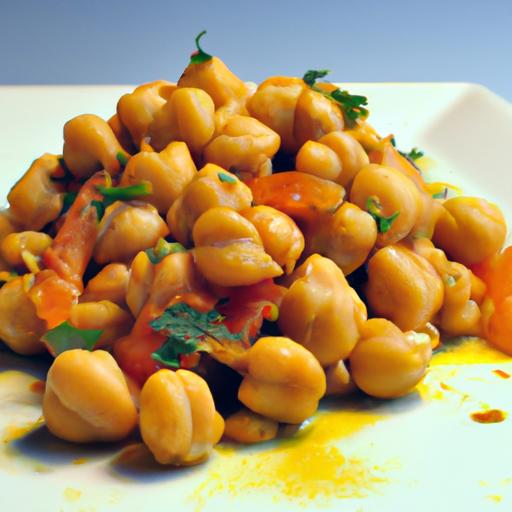
Lablabi shines as a comforting standalone dish but also pairs beautifully with fresh salads like Tunisian salata mechouia or a bright cucumber and tomato salad. For a decadent twist, nestle in a poached egg to add luscious creaminess. Garnishes like capers and lemon wedges inject bursts of tang that elevate each spoonful. Serve in deep bowls with a side of harissa for guests to adjust heat to their liking. Visualize the stew’s golden broth merging with toasted bread chunks,topped with vibrant green parsley - every bowl a feast for both eyes and palate.

| Nutrient | Per Serving |
|---|---|
| Calories | 320 kcal |
| protein | 15 g |
| Carbohydrates | 45 g |
| Fat | 8 g |
Rich in plant-based protein and dietary fiber, lablabi supports digestive health and sustained energy release.Chickpeas contribute essential minerals like iron and magnesium, while the wholesome broth hydrates and comforts. Incorporating moderate spices such as cumin and harissa enhances metabolic activity and adds antioxidant benefits, making this Tunisian favorite as nourishing for the body as it is for the soul.
Learn more about Tunisian culinary gems through our Tunisian Recipes Explored series and deepen your culinary journey.
For a deeper dive into the health impact of chickpeas, the Harvard T.H. Chan School of Public Health offers an excellent overview.
Q&A
Q&A: Lablabi Unveiled – Tunisia’s Hearty Chickpea Classic
Q1: what exactly is Lablabi?
A1: Lablabi is Tunisia’s beloved street-food masterpiece-a soul-soothing stew made from tender chickpeas swimming in a fragrant, spiced broth of garlic, cumin, and smoky harissa. It’s a humble dish with bold character,often enjoyed as a warming breakfast or a revitalizing late-night snack.
Q2: Where does the name “Lablabi” come from?
A2: the name “Lablabi” is thought to have roots in the Arabic language, evoking the simplicity and authenticity of the dish. Some say it’s an endearing term that captures the dish’s everyday comfort-food status-something familiar and cherished in Tunisian households and markets alike.
Q3: What makes Lablabi so special among chickpea dishes worldwide?
A3: Unlike many chickpea preparations that focus on thick, creamy textures, Lablabi shines in its brothiness and spice symphony. Its genius lies in balance: soft chickpeas, a tangy punch of preserved lemon, a fiery kiss of harissa, and the crunch of toasted bread cubes soaking everything up – creating a warm, layered experience.
Q4: How is Lablabi traditionally served?
A4: Imagine a steaming bowl of chickpeas in savory broth, topped with a drizzle of olive oil, a squeeze of lemon, a dollop of fiery harissa, and crowned by crunchy pieces of stale bread (frequently enough baguette). Sometimes, a poached egg is added, introducing a creamy richness that elevates the dish to sublime levels.
Q5: What cultural role does Lablabi play in Tunisia?
A5: More than just food, Lablabi is a social glue-sold at tiny street stalls and enjoyed in communal banter from morning till night. It’s a dish that welcomes everyone, symbolizing warmth, resilience, and the culinary spirit of Tunisia’s bustling urban neighborhoods.
Q6: Can I make Lablabi at home? Any tips?
A6: Absolutely! Start with good-quality chickpeas, soak them overnight, and simmer until tender. The secret star is the broth-infused with garlic, bay leaves, cumin, and a teaspoon or two of harissa for that authentic fire. Don’t skimp on the toppings: crunchy bread and a fresh lemon wedge bring everything alive. And if you’re feeling decadent, poach an egg right on top!
Q7: Is Lablabi a healthy choice?
A7: Definitely! Chickpeas pack protein and fiber, while the garlic and spices boost flavour without extra calories.The dish offers a hearty, plant-based energy boost, perfect for chilly mornings or whenever you crave comforting, nutritious goodness.
Q8: How has Lablabi evolved in modern Tunisian cuisine?
A8: While the traditional recipe remains beloved, modern chefs are experimenting with gourmet twists-think roasted garlic, infused olive oils, or artisanal breads-bringing Lablabi from the street stalls to chic restaurants, showing that this humble stew is timeless and endlessly adaptable.
Q9: what beverages pair well with Lablabi?
A9: A cool glass of mint tea offers refreshing relief alongside Lablabi’s heat, while a crisp Tunisian white wine or simple sparkling water can cleanse the palate between spicy, hearty spoonfuls.
Q10: Where can travelers taste the best Lablabi in Tunisia?
A10: Head to Tunis’s bustling medina or the vibrant streets of Sidi Bou Said for authentic, no-frills stalls serving steaming bowls at dawn and dusk. These intimate spots embody the essence of Lablabi-warm, welcoming, and deliciously unpretentious.
Discover Lablabi - Tunisia’s chickpea legend that delivers big flavor in a humble bowl, stirring the heart and igniting the senses one spoonful at a time.
Wrapping Up
As the steam rises from a fragrant bowl of lablabi, it carries with it more than just the warm aroma of tender chickpeas and spices-it carries the heart of Tunisia itself. This humble dish, born from simple ingredients and rich tradition, invites us to savor not only its robust flavors but also the stories and culture simmering beneath the surface. Whether enjoyed on a chilly morning in Tunis or recreated in a distant kitchen, lablabi stands as a delicious testament to how food can nourish both body and soul. So next time you seek comfort with a twist of history, let lablabi be your hearty companion on a culinary journey through Tunisia’s vibrant heritage.