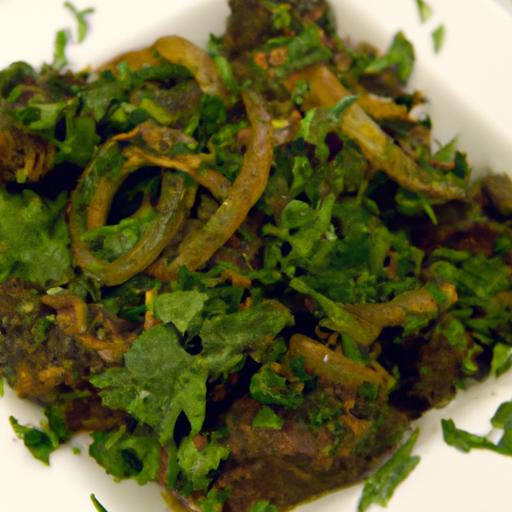

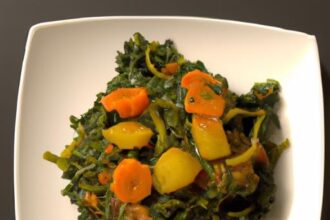
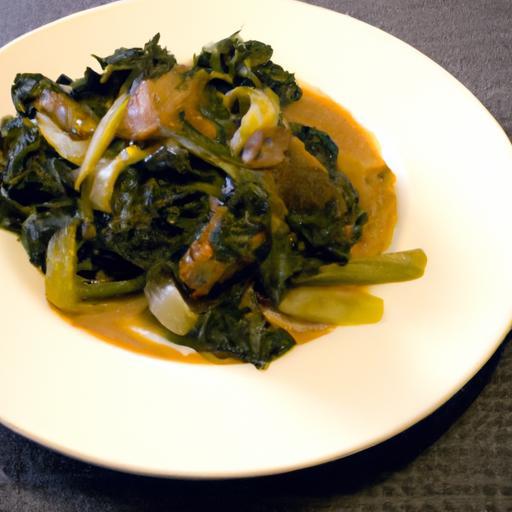
African Spices are the soul of bold cuisine, and The Magic of West African Spices in Cooking lies in their power to transform simple ingredients into unforgettable meals. African Spices define depth, aroma, and heritage, while The Magic of West African Spices in Cooking reflects centuries of culinary wisdom. From smoky African Spices like dawadawa to fiery African Spices such as scotch bonnet, The Magic of West African Spices in Cooking delivers heat, balance, and complexity. African Spices shape identity, and The Magic of West African Spices in Cooking continues to inspire chefs and home cooks worldwide through layered flavor and tradition.
When African Spices come together, The Magic of West African Spices in Cooking becomes unmistakable—earthy, spicy, and deeply comforting. African Spices like grains of paradise, negro pepper, and ginger showcase The Magic of West African Spices in Cooking by enhancing stews, sauces, and plant-based dishes. Every blend of African Spices reinforces The Magic of West African Spices in Cooking, turning everyday cooking into cultural storytelling. African Spices are timeless, and The Magic of West African Spices in Cooking proves that flavor is history, creativity, and soul on a plate.
Prep and Cook Time
- Prep Time: 15 minutes
- Cook Time: 35 minutes
- Total Time: 50 minutes
Yield
- Serves 4 generously
Difficulty Level
- Medium
Ingredients
- 2 tbsp palm oil (for authentic flavor)
- 1 medium onion, finely chopped
- 3 cloves garlic, minced
- 1 tbsp fresh ginger, grated
- 1 scotch bonnet pepper, deseeded and finely chopped (adjust to taste)
- 2 tsp smoked paprika
- 1 tsp dried African maggi (or dawadawa powder)
- 1 tsp grains of paradise, freshly ground
- 1 tsp ground coriander
- 1/2 tsp ground negro pepper (also known as Guinea pepper)
- 400g canned chopped tomatoes
- 2 medium sweet potatoes, peeled and cubed
- 200g fresh spinach, washed and roughly chopped
- 400g cooked chickpeas, drained
- 1 tsp sea salt, or to taste
- Freshly ground black pepper, to taste
- Fresh coriander leaves (cilantro), chopped, for garnish
Instructions
- Heat the palm oil in a large saucepan over medium heat until shimmering.
- Add onions, garlic, and ginger.Sauté for 5-7 minutes until soft and fragrant.
- Stir in the scotch bonnet pepper. Cook another 2 minutes,stirring occasionally to prevent sticking.
- Add the smoked paprika, African maggi (dawadawa), grains of paradise, coriander, and negro pepper. Toast the spices gently in the oil for 1-2 minutes,stirring continuously to release their complex aromas.
- Pour in the canned tomatoes,stirring to combine. simmer for 10 minutes, allowing the sauce to thicken and flavors to deepen.
- Add the sweet potatoes and 250ml water or vegetable stock. Bring to a boil, then reduce to a simmer. Cover and cook for 15 minutes, or until the sweet potatoes are tender.
- Stir in the spinach and chickpeas.Cook for another 5 minutes until spinach wilts and chickpeas are heated through.
- Season with sea salt and freshly ground black pepper to taste.
- Remove from heat and garnish generously with fresh coriander leaves.
- Serve this vibrant, spice-infused stew over steamed rice, fufu, or your favorite grain.
Chef’s Notes & Tips for Success
- Adjust the heat: Scotch bonnet peppers pack a punch. Remove the seeds or substitute with milder chili peppers if desired.
- Dawadawa substitute: If you can’t find this fermented locust bean seasoning, use a small amount of miso paste or anchovy paste to mimic it’s unique umami.
- Make-ahead tip: This stew tastes even better the next day as the spices marry. Store in an airtight container in the fridge for up to 3 days.
- Earthiness balance: Grains of paradise and negro pepper bring a peppery, cardamom-like complexity. Toast them lightly beforehand for maximum fragrance.
- Enhancing texture: For a creamier finish, stir in a splash of coconut milk at the end.
Serving Suggestions
Plate this stew atop fluffy jollof rice or pounded yam to highlight its rich spice profile. Garnish with thinly sliced fresh chilies for extra heat and vibrant, chopped tomatoes for color contrast. A side of crunchy fried plantains pairs beautifully, introducing subtle sweetness that balances the bold earthiness. For the adventurous, serve with a cool cucumber salad dressed in lime juice to refresh the palate between bites.

| Nutrient | Per Serving |
|---|---|
| Calories | 320 kcal |
| Protein | 12 g |
| Carbohydrates | 45 g |
| Fat | 8 g |
Q&A
Q&A: Unlocking Flavor – The Magic of West African Spices in Cooking
Q1: What makes West African spices so unique compared to other spice traditions?
A1: West African spices are a vibrant symphony of bold, earthy, and aromatic flavors that reflect the region’s rich cultural tapestry. Unlike many other spice traditions, West African blends frequently enough combine fiery heat with deep, smoky, and slightly bitter notes – creating a complex flavor profile that awakens the palate and tells a story of ancient trade routes, diverse climates, and time-honored culinary customs.
Q2: which are the most iconic spices used in West African cooking, and what flavors do they bring?
A2: Some hallmark West African spices include grains of paradise, which offer a peppery, citrus-like zing; Calabash nutmeg with its warm, nutty sweetness; and iru (fermented locust beans), providing an umami-rich depth akin to aged cheese. Not to forget smoky smoked dried chili peppers, fiery habaneros, and aromatic alligator pepper, each adding layers of heat, fragrance, and complexity.
Q3: How do these spices elevate everyday dishes?
A3: These spices do much more than season food-they transform everyday ingredients into mouthwatering experiences. For example, a simple stew infused with West African spices bursts with smoky warmth and pungent richness, turning humble beans or meats into a celebration of flavor. They tease out hidden tastes and create balanced heat that dances on your tongue, making every bite memorable.
Q4: Can West African spices be used outside conventional recipes?
A4: Absolutely! These spices are versatile flavor adventurers. Try sprinkling alligator pepper into your morning coffee for a surprising twist, or add grains of paradise to roasted vegetables for a subtle zing. Iru can enhance sauces and gravies with an umami punch,while smoky chili peppers add a captivating heat to barbecue rubs or even chocolate desserts.
Q5: Where can home cooks find authentic West African spices?
A5: many specialty markets and online stores now stock West African spices, recognizing their growing global popularity. Look for purveyors dedicated to African ingredients or seek out community grocers where these spices often arrive fresh and vibrant. When sourcing, freshness is key-the aromas should be potent and inviting, a sign of genuine magic waiting to unfold in your kitchen.
Q6: Any tips for beginners wanting to experiment with these spices?
A6: Start small and taste as you go-West African spices can be bold and intense. Try crafting a simple jollof rice or a spiced peanut stew, adding spices incrementally to discover your comfort level. respect their power and complexity, and you’ll find they enrich your cooking with warmth, depth, and stories of a vibrant heritage.
Q7: How do West African spices contribute to health and wellness?
A7: Beyond flavor, many West African spices bring health benefits rooted in tradition. For instance, grains of paradise have been used for digestive aid and anti-inflammatory purposes, while chili peppers boost metabolism and circulation. Their antioxidant properties support overall well-being-making your meals both tasty and nurturing.
Q8: In a word, what is the “magic” behind West African spices?
A8: Transformation. They turn simple ingredients into soulful experiences, awaken senses with their bold character, and connect cooks to a centuries-old culinary lineage. west African spices don’t just flavor food-they unlock stories, traditions, and a vibrant cultural heartbeat in every dish.
Concluding Remarks
As we close the spice jar on this flavorful journey,one truth remains clear: West African spices are more than just seasoning-they are storytellers of culture,tradition,and history. Their vibrant aromas and bold tastes unlock a world of culinary possibilities, transforming simple ingredients into unforgettable dishes that dance on the palate. By embracing these magical spices, home cooks and chefs alike invite a richer, more dynamic flavor experience to their kitchens-one that honors the past while inspiring future creations. So next time you reach for that familiar pinch of salt,consider adding a dash of West African zest,and let your cooking tell a story as rich and vibrant as the spices themselves.