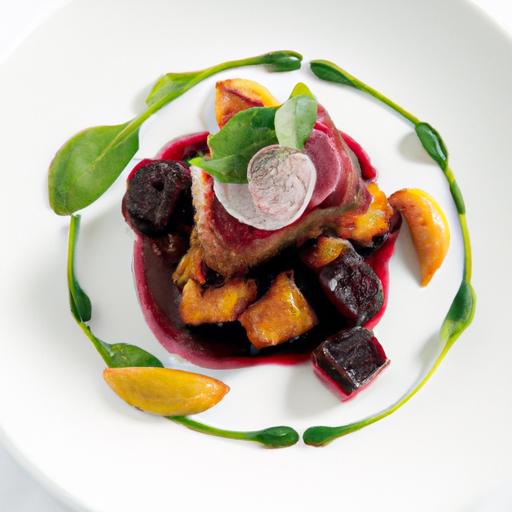
Mastering the Art: Essential French Culinary Techniques Explained opens the door to a refined culinary universe where French Culinary Techniques shape every texture, aroma, and flavor. From precise knife work to foundational sauces, French Culinary Techniques represent discipline, balance, and timeless savoir-faire. By understanding French Culinary Techniques, cooks learn how French Culinary Techniques elevate humble ingredients into elegant creations. This guide, Mastering the Art: Essential French Culinary Techniques Explained, reveals how French Culinary Techniques rely on patience, structure, and finesse, making French Culinary Techniques the cornerstone of classical gastronomy. Embracing French Culinary Techniques transforms everyday cooking into an expressive culinary art.
In Mastering the Art: Essential French Culinary Techniques Explained, mastering heat control, emulsification, and reduction showcases why French Culinary Techniques remain the gold standard worldwide. These French Culinary Techniques empower cooks to build depth and harmony, proving that French Culinary Techniques are both technical and intuitive. As Mastering the Art: Essential French Culinary Techniques Explained continues to inspire generations, French Culinary Techniques demonstrate how precision meets creativity, and how French Culinary Techniques guide chefs toward confidence, elegance, and consistency. Ultimately, Mastering the Art: Essential French Culinary Techniques Explained celebrates French Culinary Techniques as the foundation of culinary excellence.
Prep and Cook Time
Preparation: 20 minutes | Cook Time: 40 minutes | total Time: 1 hour
Yield
Serves 4 elegantly crafted portions
Difficulty level
Medium – Advanced: Ideal for cooks eager to deepen thier technique and precision.
Ingredients
- 2 tbsp unsalted butter, chilled and cubed
- 1 cup finely diced shallots
- 2 cups rich chicken stock, homemade or low sodium
- 1 tbsp all-purpose flour, sifted
- 1/4 cup heavy cream
- 1 tbsp fresh lemon juice
- 1 tsp Dijon mustard
- Fresh herbs: 1 tsp finely chopped tarragon and chervil
- Salt and freshly ground black pepper to taste
- Extra virgin olive oil for sautéing
Instructions
- Perfect Your Knife Skills: Begin by meticulously chopping the shallots into uniformly small dice, approximately 1/8 inch pieces. Consistent size ensures even cooking and a smooth sauce texture.
- Start Your Classic French Sauce Foundation: Heat 1 tbsp olive oil in a medium saucepan over medium heat. Add the diced shallots and sauté until translucent and soft, about 5 minutes, stirring regularly to prevent browning.
- Construct the Roux: Stir in the sifted flour, blending thoroughly to coat the shallots. Cook gently for 2 minutes, stirring constantly, allowing the raw flour taste to dissipate but avoiding any color change.
- Build Temperature-Controlled Stock Reduction: Gradually whisk in the chicken stock, maintaining a gentle simmer. Allow the sauce to reduce by about one-third,stirring occasionally.Temperature control here is key to prevent boiling, which can break the sauce.
- Enrich and Emulsify: Off the heat, stir in the cold cubed butter piece by piece, whisking vigorously to create a glossy, velvety texture.This step, called monter au beurre, seals the flavor and perfects the consistency.
- Incorporate Aromatics and Final touches: Return the saucepan to low heat. Stir in the Dijon mustard, heavy cream, lemon juice, and finely chopped tarragon and chervil. Season with salt and freshly ground pepper to taste. Heat gently-not boiling-for 2 minutes to marry the flavors beautifully.
- Strain and Serve: Pour the sauce through a fine-mesh sieve for an impeccably smooth finish. Keep warm until plating.
chef’s Notes
- Knife Skills Tip: Use a sharp chef’s knife and keep your knuckles as a guide for uniform cuts. Practice julienne before dicing shallots for better control.
- Sauce variations: Swap chicken stock with veal or mushroom stock for deeper umami notes, adjusting seasoning accordingly.
- Temperature Control: Use medium-low heat during reduction phases to prevent curdling or sauce separation.
- Make-Ahead: Prepare the sauce base a day in advance and finish with butter and herbs just before serving to maintain freshness.
- Substitution: For a lighter touch, replace heavy cream with crème fraîche or omit cream entirely-adjust lemon juice slightly for brightness.
Serving Suggestions
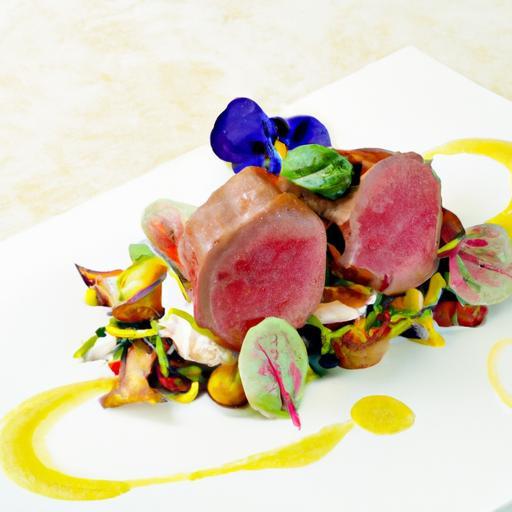
This classic French sauce pairs exquisitely with poached chicken, seared fish, or lightly steamed spring vegetables. for a visually stunning plate, drizzle the sauce artistically around your main protein, and garnish with a delicate sprig of fresh tarragon or chervil. Serve alongside creamy mashed potatoes or buttery haricots verts to balance the richness.
| Nutrition | Per Serving |
|---|---|
| Calories | 180 kcal |
| Protein | 3 g |
| Carbohydrates | 5 g |
| Fat | 15 g |
Explore our Ultimate Guide to French Sauces for more inspiring preparations, and for further reading on culinary precision, visit The Culinary Institute of America.

Q&A
Q&A: Mastering the Art: Essential French Culinary Techniques Explained
Q1: Why are French culinary techniques considered essential in the world of cooking?
A1: French culinary techniques form the bedrock of classical cooking. They’re like the grammar of the culinary language – once you master them, you can express creativity confidently and beautifully. These techniques emphasize precision, balance, and respect for ingredients, making them timeless tools for cooks of all levels.
Q2: What is the “mise en place” and why is it so important?
A2: “Mise en place” literally means “putting in place.” It’s the practice of prepping and organizing all your ingredients before the cooking begins. This technique saves time, reduces stress, and ensures that each step flows smoothly – turning cooking from chaotic hustle into elegant choreography.
Q3: Could you explain the difference between sautéing and pan-frying?
A3: Both involve cooking in a hot pan with fat, but sautéing uses higher heat and requires quick tossing or stirring to cook food evenly without browning too much. pan-frying uses moderate heat and a bit more fat, allowing for a crispier exterior and slower cooking. Think of sautéing as a swift dance, and pan-frying as a deliberate stroll.
Q4: What exactly is deglazing, and why do French chefs love it?
A4: Deglazing is the technique of adding liquid-like wine, stock, or vinegar-to a hot pan after cooking meat or vegetables to dissolve the flavorful browned bits stuck to the bottom, called “fond.” This creates a rich, savory base for sauces, turning simple ingredients into flavor magic.
Q5: How does mastering knife skills impact your cooking?
A5: Knife skills are the unsung heroes of French cuisine. Precise cuts ensure even cooking, enhance presentation, and respect the ingredient’s texture and flavor. Plus, good knife skills speed up prep and instill confidence, making every chop feel like a brushstroke on a culinary canvas.
Q6: What is the art behind making a perfect sauce in French cooking?
A6: French sauces are often called the stars of the plate.The art lies in creating the “mother sauces” (béchamel, velouté, espagnole, hollandaise, and tomate) that serve as foundations for countless variations. Mastering emulsification, reduction, and seasoning transforms simple liquids into luscious accompaniments that elevate any dish.
Q7: Can home cooks realistically apply these classical techniques?
A7: Absolutely! While trained chefs might wield these techniques with finesse under high pressure, home cooks can embrace them bit by bit.Start with mise en place, practice knife skills, and experiment with simple sauces. With patience and passion,the French culinary arts become accessible-and delightful-at every kitchen level.
Q8: What is the biggest takeaway from mastering French culinary techniques?
A8: Beyond recipes and rules, French culinary techniques teach you to observe, respect, and engage deeply with food. They cultivate patience, attention to detail, and reverence for ingredients-transforming everyday cooking into a refined, creative practice. In essence, mastering these techniques is mastering the art of thoughtful cooking.
To Wrap It Up
As you close the page on this exploration of essential French culinary techniques, remember that mastering these skills is less about perfection and more about passion. Each fold of pâte à choux,every delicate swipe of beurre manié,and the patient patience behind a perfectly caramelized sauce invites you into a timeless tradition-a dance of flavor,texture,and technique honed over centuries. Whether you’re a seasoned chef or an inspired home cook, embracing these foundational methods opens the door to endless creativity and authentic expression in the kitchen. So,equip your knives,trust your palate,and let the art of French cooking transform your culinary journey into a masterpiece of flavor and finesse. bon appétit!