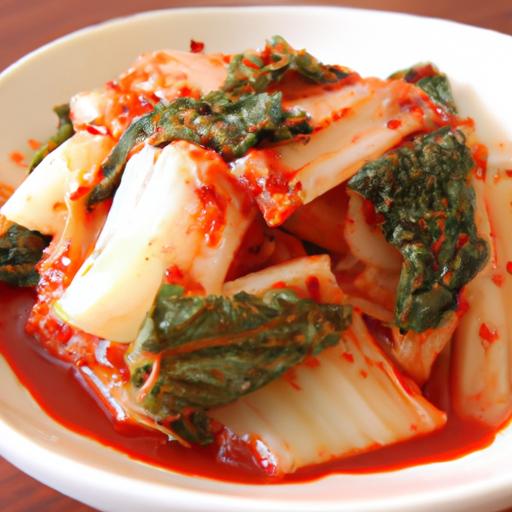


When the sweltering heat of summer calls for a crisp, cooling bite, few traditional Korean dishes answer better than dongchimi-a refreshing water kimchi that dances on the palate with subtle tangs and a gentle crunch. Unlike its fiery, red counterparts, dongchimi offers a light, soothing escape, brimming with the delicate flavors of napa cabbage, radish, and fragrant spices fermented to perfection in a clear, invigorating brine. In this article, we’ll dive into the art and soul of crafting an authentic dongchimi, unraveling the secrets behind its refreshing taste and timeless appeal. Whether you’re a kimchi connoisseur or a curious food explorer, prepare to embark on a flavorful journey that revitalizes both body and spirit.
Refreshing dongchimi Delight is a beloved Korean water kimchi that brings a crisp, cool burst of flavour to any meal. Originating from the northern provinces of Korea, dongchimi has long been treasured as a mild, refreshing counterpart to the bold, spicy kimchi varieties.Traditionally enjoyed during the cold winter months, this lightly fermented water kimchi brightens the palate with its subtly tangy, slightly sweet, and invigoratingly fresh taste. My first encounter with dongchimi was at a local Korean family gathering, where the transparent, radish-studded broth instantly reminded me of spring’s arrival-making it a truly special dish that’s both restorative and revitalizing.
Prep and Cook Time
- Planning: 25 minutes
- Fermentation: 5-7 days (depending on room temperature)
Yield
- Approximately 6 servings
Difficulty Level
- Easy to Medium – perfect for adventurous beginners with a love for fermentation
Key Ingredients and Their Roles in Crafting Perfect Dongchimi
The soul of dongchimi lies in its crisp Korean radish (mu), which softens gently while maintaining a satisfying crunch, providing a fresh and subtle sweetness. Baek chonggak red chili peppers are often included not for heat but for visual contrast and nuanced flavor. Aromatics like ginger, green onions, and garlic infuse the water with complex savory notes, while coarse sea salt draws moisture out of the radish and balances fermentation.
Glutinous rice flour paste acts as a natural thickener, giving the kimchi water a silky mouthfeel and helping to carry the rich umami flavors extracted during fermentation. cold,clean water is essential to keep the flavors crisp and refreshing.
Ingredients
- Korean radish (mu) - 1 medium (about 600g), peeled and cut into 1.5-inch chunks
- Coarse sea salt - 3 tablespoons, for salting
- Cold purified water – 6 cups
- Glutinous rice flour – 3 tablespoons
- Garlic cloves – 5, crushed
- Fresh ginger – 1-inch piece, thinly sliced
- Green onions – 3 stalks, cut into 2-inch pieces
- whole black peppercorns – 1 tablespoon
- Baek chonggak red chili peppers (optional) – 3, for color and mild aroma
- Granulated sugar – 2 teaspoons (optional, to balance acidity)
Step-by-Step Guide to Preparing Authentic Water kimchi at Home
- Prepare the radish: Rinse and peel the Korean radish. Cut it into uniform 1.5-inch chunks for consistent fermentation and crunch.
- salt the radish: Place radish pieces in a large bowl and sprinkle with 3 tablespoons of coarse sea salt. Mix well and let rest for 1 hour, stirring occasionally.This draws out excess moisture and kickstarts the softening process.
- Make the rice flour paste: In a saucepan, combine 3 tablespoons glutinous rice flour with 1 cup cold water. Stir constantly over medium heat until a smooth, translucent paste forms, about 3-5 minutes. Remove from heat and let cool wholly.
- Prepare seasoning broth: In a large vessel, combine the cooled rice flour paste, remaining 5 cups cold water, garlic, ginger, green onions, black peppercorns, and optional chili peppers. Add sugar if desired for a hint of sweetness. Stir to blend all flavors.
- Rinse the salted radish: Thoroughly rinse the radish under cold running water to remove excess salt, then drain well.
- combine everything: Transfer the radish into a clean fermentation jar or airtight container. Pour the seasoning broth over, ensuring all radish pieces are submerged. use a clean weight to press down if necessary.
- ferment: Seal the container loosely (to allow gas to escape) and leave at room temperature (68-72°F) for 5-7 days. Taste daily; once it reaches a pleasant balance of tanginess and crunch, refrigerate to slow fermentation.
Tips for Storage and Serving to Maximize Flavor and Freshness
- Refrigeration: Store dongchimi in the fridge once fermentation suits your taste. It will keep fresh and flavorful for up to 2 weeks.
- Serving temperature: Serve chilled for the best refreshing effect,especially on warm days or alongside spicy korean dishes.
- Visual appeal: Garnish with thinly sliced green onions or a sprinkle of toasted sesame seeds for a vibrant finish.
- Use a glass or food-grade ceramic container: These materials prevent off-flavors and help maintain the pristine clarity of the dongchimi broth.
- internal Link: For another classic dish to pair, explore our Classic kimchi Recipe.
- External Reference: Learn more about traditional Korean fermentation from the Korean Bapsang blog, a trusted authority on authentic Korean cuisine.
Serving Suggestions
Refreshing dongchimi delight is a versatile accompaniment. Serve it alongside rich stews like kimchi jjigae or beef bulgogi to cleanse the palate between spicy bites. it also doubles wonderfully as a cooling side during Korean barbecue, pairing perfectly with grilled meats. For a unique twist, use the briny broth as a chilled soup base, adding sliced cucumbers or glass noodles.
For a visually stunning presentation, ladle dongchimi into clear bowls, showcasing the translucent radish cubes and floating chili peppers. Garnish with snipped chives or edible flowers to elevate the table aesthetic.
| Nutrient | Per Serving (approx.) |
|---|---|
| Calories | 40 kcal |
| Protein | 1 g |
| Carbohydrates | 8 g |
| Fat | 0 g |
| Fiber | 1.5 g |
Chef’s Notes & Tips for Success
- Maintain cool fermentation temperatures allowing gentle flavor development and crisp texture.
- If you prefer a less sour profile, shorten fermentation time and refrigerate earlier.
- Substitute Korean radish with daikon radish if unavailable, ensuring it’s fresh and firm.
- Use filtered water to avoid chlorine, which can inhibit fermentation.
- For a gluten-free version, replace glutinous rice flour with sweet rice flour or omit; broth may be thinner but still tasty.
- To amplify umami, add a strip of dried kelp (dashima) to the broth while fermenting, removing before serving.

Q&A
Q&A: Refreshing Dongchimi Delight – Authentic Water Kimchi Recipe
Q1: What is Dongchimi, and how does it differ from regular kimchi?
A1: Dongchimi is a type of Korean water kimchi known for its crisp, mild, and refreshing flavor profile. Unlike the spicy,red-hued napa cabbage kimchi most people are familiar with,dongchimi is clear and light,relying on a brine of radish,water,and gentle seasonings rather than hot chili paste. It’s traditionally enjoyed during winter but delights taste buds year-round as a palate cleanser or side dish.
Q2: What are the key ingredients that give Dongchimi its signature taste?
A2: The magic of dongchimi comes from Korean radish (mu) cut into chunky pieces, napa cabbage, scallions, minced garlic, ginger, green chili peppers (optional for mild heat), and a lightly salted, slightly sweetened water brine. This mixture ferments at cool temperatures, producing a clean, tangy, and subtly sweet flavor balanced by gentle umami notes.
Q3: How long does it take to ferment Dongchimi, and what’s the ideal temperature?
A3: Dongchimi typically ferments best in cool conditions-think refrigerator temperature or a chilly cellar-taking about 3 to 7 days to develop its signature brisk flavor. The fermentation shouldn’t be rushed: to warm and it turns sour quickly,too cold and it won’t develop enough flavor.Patience is key for that crisp, lightly effervescent delight.
Q4: Can I customize the recipe to suit my taste preferences?
A4: absolutely! While the classic dongchimi formula is a fine balance of radish, seasoning, and saltwater, feel free to experiment: toss in slices of Asian pear for natural sweetness, or add more chili if you crave a bit of gentle spice. Some even add a few dried anchovies or kelp to boost umami depth. Just remember, the cornerstone is the refreshing watery brine-don’t let it get too heavy.
Q5: How should I serve dongchimi to fully enjoy its refreshing qualities?
A5: Chill it well and serve dongchimi cold-its crisp,tangy broth is the perfect accompaniment to rich Korean dishes like oily grilled meats,bibimbap,or spicy stews.You can sip the flavorful brine like a detoxifying tonic and nibble on the crunchy radish and cabbage alongside your meal. For a creative twist, try dongchimi as a base for a cold noodle soup or as a zesty salad dressing component.
Q6: Is Dongchimi good for digestion and health?
A6: indeed! Like manny fermented foods, dongchimi is rich in natural probiotics that promote gut health and aid digestion. Its low calorie and hydrating qualities make it a light, nourishing addition to your diet, especially during hot months or after indulgent meals. Plus,the presence of garlic and ginger lends natural antimicrobial and anti-inflammatory benefits.
Q7: Where can I find authentic ingredients to make Dongchimi?
A7: korean radish and napa cabbage can often be found at Asian markets or well-stocked grocery stores. Look for firm, heavy radishes with white skin, not too small or overly large. If you can find Korean salted shrimp (saeujeot), it adds depth to fermentation; if not, sea salt works just fine. For maximum authenticity, a visit to your local Korean market is well worth it!
Q8: Can dongchimi be stored, and how long will it last?
A8: Yes! Keep your dongchimi in an airtight container in the fridge. it will continue to ferment slowly,growing tangier and more complex over time.Typically, it stays delicious for 2 to 3 weeks, tho some aficionados enjoy it well beyond that, appreciating each stage’s unique flavor nuances. Just watch for any off smells or excessive cloudiness,which mean it’s time to enjoy or discard.
Whether you’re a kimchi novice or a seasoned fermenter, diving into the crisp, cooling world of dongchimi offers a refreshing adventure for your palate-a true delight to savor in every crunchy, tangy spoonful.
wrapping Up
As the crisp, invigorating flavors of dongchimi awaken your palate, you’ll discover why this traditional water kimchi remains a beloved staple in Korean cuisine. Its delicate balance of tangy, cool, and subtly spicy notes makes dongchimi not just a side dish, but a refreshing experience that complements any meal. Whether you’re a seasoned fermenter or a curious culinary explorer, crafting your own dongchimi brings a slice of authentic Korean culture right into your kitchen. So,embrace the art of fermentation,let time work its magic,and savor each spoonful of this revitalizing delight-your taste buds will thank you.