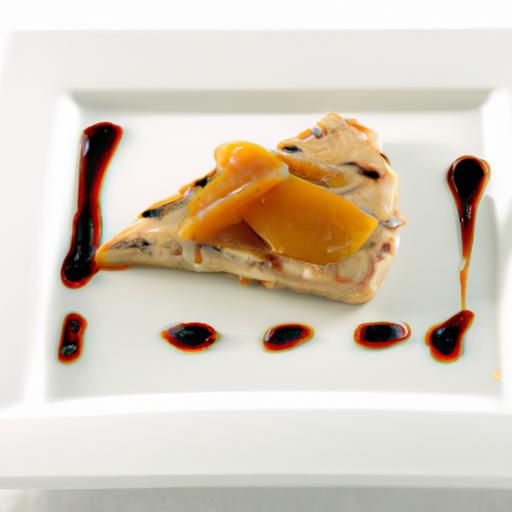
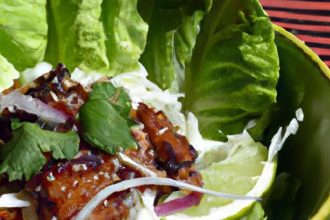
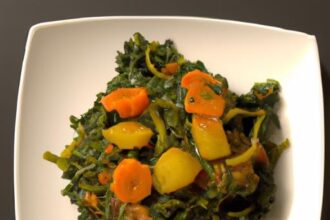
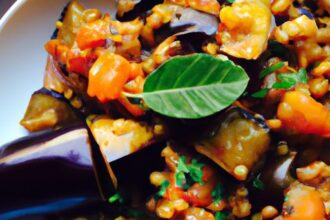
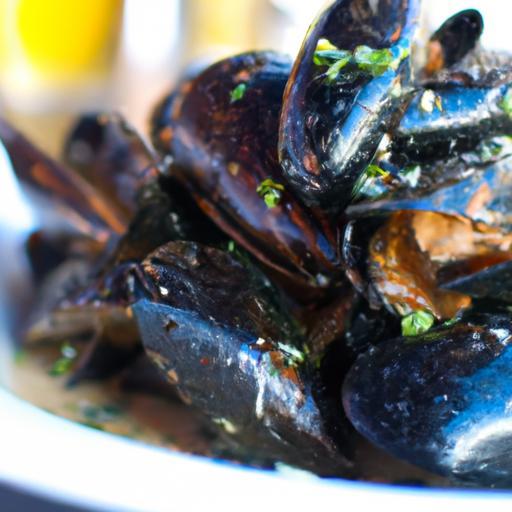
Savoring Europe comes alive through a Flavorful Guide to Gluten-Free experiences that celebrate culture, taste, and culinary heritage. With Savoring Europe, this Flavorful Guide to Gluten-Free cuisine transforms travel into discovery, allowing Savoring Europe to shine without dietary limits. Every destination in Savoring Europe offers a Flavorful Guide to Gluten-Free treasures rooted in tradition, making Savoring Europe accessible, vibrant, and inclusive. From coastal villages to historic cities, Savoring Europe unfolds through a Flavorful Guide to Gluten-Free delights where flavor and safety coexist effortlessly.
At its heart, Savoring Europe is defined by a Flavorful Guide to Gluten-Free living that honors regional authenticity. This Flavorful Guide to Gluten-Free approach allows Savoring Europe to be enjoyed fully, confidently, and deliciously. With each recipe, Savoring Europe deepens through a Flavorful Guide to Gluten-Free perspective that elevates local ingredients. Ultimately, Savoring Europe thrives when guided by a Flavorful Guide to Gluten-Free philosophy that proves tradition and wellness belong together.
Prep and Cook Time
Prep: 10 minutes | Cook: 10-12 minutes | Total: 22 minutes
Yield
4 servings (1 flatbread each)
Difficulty Level
Easy
Ingredients
- 1 cup chickpea flour, sifted
- 1 cup lukewarm water
- 3 tbsp extra virgin olive oil, divided
- 1 tsp sea salt
- ½ tsp freshly ground black pepper
- 2 cloves garlic, finely minced
- 1 tsp fresh rosemary, finely chopped (optional)
- Fresh lemon wedges, for serving
- Chopped parsley, for garnish
Instructions
- In a medium bowl, whisk chickpea flour with lukewarm water until completely smooth and free of lumps. This hydration step is crucial for tender, almost crepe-like socca.
- Add 2 tablespoons of olive oil, sea salt, black pepper, and minced garlic. Whisk again to combine,then set the batter aside to rest for at least 15 minutes if you have time-this helps develop flavor and texture.
- Preheat your oven to 450°F (230°C). Place a 10-inch cast iron skillet or oven-safe pan inside the oven to heat-this ensures a crisp, golden crust when the batter hits the hot surface.
- carefully remove the skillet, swirl in the remaining 1 tablespoon olive oil to coat evenly and pour in all the batter, spreading it into an even layer about ¼ inch thick. Sprinkle fresh rosemary on top if using.
- Bake for 10-12 minutes, or until the edges crisp and turn golden brown and the center is set but slightly tender. For extra texture, place under the broiler for 1-2 minutes, watching carefully to avoid burning.
- Remove from the oven, let rest for 2 minutes, then slice into wedges. Serve warm with a squeeze of fresh lemon and a sprinkle of chopped parsley.
Chef’s Notes
- Batter consistency: The batter should be quite runny; if it thickens after resting, stir in a splash of water.
- Pan choice: Cast iron offers the best texture, but a heavy oven-proof non-stick pan works well too.
- Variations: Add thinly sliced olives,sun-dried tomatoes,or a dusting of smoked paprika before baking to infuse unique Mediterranean aromas.
- Make ahead: The batter can be prepared the night before and refrigerated; stir well before cooking.
- Storing: Leftovers reheat beautifully in a hot skillet-just crisp them up for 2 minutes on each side.
Serving Suggestions
Relish your socca as a midday snack alongside a chilled glass of dry rosé or as a savory base for toppings like ratatouille or a smoky red pepper tapenade. Garnish with fresh herbs like thyme or parsley and a drizzle of high-quality olive oil to elevate its rustic elegance. For a complete meal, serve with a crisp green salad and roasted seasonal vegetables. Every bite echoes the vibrant markets and sunlit streets you explored, making the gluten-free journey sensorially unforgettable.
| Nutrient | Per Serving |
|---|---|
| calories | 180 |
| Protein | 6g |
| carbohydrates | 25g |
| Fat | 7g |

gluten-Free Explorations in Europe: Tips for the Traveler
When traveling across Europe’s diverse regions, rely on local markets to source fresh chickpea flour or gluten-free staples.Develop a rapport with vendors-they often share secret ingredient tips or authentic preparations. many countries now embrace gluten-free dining with dedicated menus, yet learning a few essential phrases in the local language can unlock genuine culinary experiences. resources like The Celiac Disease foundation provide invaluable guidance to navigate safely and savor authentically.
For more on gluten-free European recipes and market finds, check out our in-depth guide on gluten-free baking traditions across europe.
Q&A
Q&A: Savoring Europe – A Flavorful Guide to Gluten-Free Delights
Q1: What inspired the creation of a gluten-free guide for Europe?
A1: Europe is a mosaic of culinary traditions,many centered around wheat-based staples like bread,pasta,and pastries. For those with gluten intolerance or celiac disease, navigating this gastronomic tapestry can feel challenging. “Savoring Europe” was born from a desire to celebrate the continent’s rich flavors while ensuring everyone, regardless of dietary restrictions, can indulge without worry.
Q2: Which European countries offer the most diverse gluten-free options?
A2: Italy, Spain, and France-ironically famous for bread and pasta-have embraced gluten-free cuisine with passion. Italy, for instance, offers exquisite gluten-free pasta and pizza. Spain’s vibrant tapas scene often features naturally gluten-free delights like jamón ibérico and roasted vegetables. Nordic countries,such as Sweden and Finland,also boast a variety of gluten-free baked goods made from rye alternatives and oats.
Q3: Are traditional European dishes adaptable to gluten-free diets?
A3: Absolutely! Many traditional dishes can be tweaked or enjoyed in their naturally gluten-free forms. Risotto in Italy,Spanish paella,French ratatouille,and Greek moussaka are all inherently gluten-free. Even beloved French crêpes can be made using buckwheat flour, a naturally gluten-free ingredient, opening doors to indulgent yet safe treats.
Q4: How can travelers with gluten sensitivities avoid cross-contamination when dining out?
A4: Communication is key. Learning a few essential phrases in the local language-such as “gluten-free” and “celiac”-can be lifesavers. Additionally,seeking out restaurants certified by gluten-free organizations or those specializing in allergy-friendly menus reduces risk. Many european cities now sport apps and guides dedicated to gluten-free dining, helping travelers savor safely.
Q5: What unique gluten-free ingredients should food lovers look out for in Europe?
A5: Europe offers a treasure trove of distinctive gluten-free ingredients: chestnut flour in Italy, buckwheat in France’s Brittany region, polenta (cornmeal) in Northern Italy, and quinoa increasingly used in Nordic countries. Sampling these ingredients not only safeguards gluten-free needs but also enriches the culinary journey with authentic local flavors.
Q6: Can indulging gluten-free in Europe be as flavorful as the traditional experience?
A6: Without a doubt! The continent’s chefs and home cooks alike are innovating, blending time-honored recipes with gluten-free twists that don’t compromise on taste or texture. From delicate almond-flour macarons in France to hearty Spanish chickpea stews, gluten-free dining in Europe reveals that flavor knows no boundaries.
Q7: What’s the best advice for gluten-free travelers wanting to savor Europe’s delights?
A7: Embrace curiosity and planning.Research destinations renowned for gluten-free dining, pack safe snacks for unexpected moments, and most importantly, immerse yourself in the adventure. Europe’s culinary landscape is rich, welcoming, and more accommodating than ever-ready to delight every palate with safe, savory experiences.
In Summary
As your culinary journey across Europe’s gluten-free landscape comes to a close, remember that savoring these delights is more than just a meal-it’s a celebration of culture, creativity, and care. From the sun-drenched olive groves of the mediterranean to the bustling markets of Central Europe, gluten-free cuisine invites you to experience traditional flavors reimagined with health and heart. So whether you’re wandering cobblestone streets or cooking at home, let this guide inspire your palate and empower your choices. Europe’s gluten-free treasures await-ready to be discovered, enjoyed, and truly savored.