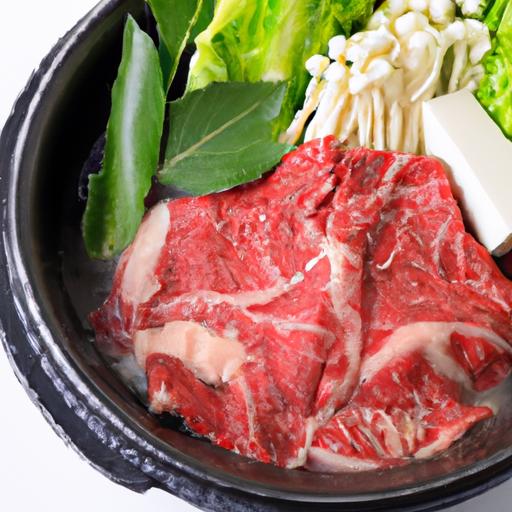
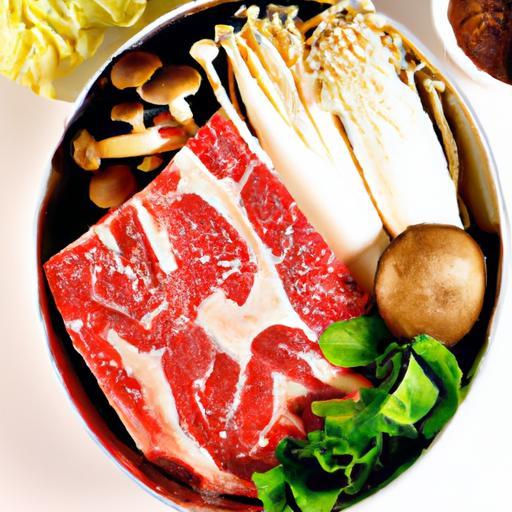
In the heart of japanese culinary tradition lies a dish that is both a feast for the senses and a celebration of communal dining-sukiyaki. This iconic beef hot pot, simmering gently at the table, invites diners to savor tender slices of marbled beef entwined with delicate vegetables, tofu, and noodles, all bathed in a savory-sweet broth crafted from soy sauce, sugar, and mirin. More than just a meal, sukiyaki embodies the essence of Japanese hospitality and seasonal ritual, transforming each gathering into a warm, flavorful experiance. Join us as we delve into the rich history, cultural significance, and irresistible flavors that make sukiyaki a beloved staple across Japan and a must-try for food enthusiasts worldwide.
Savoring Sukiyaki is a culinary journey into the heart of Japanese home cooking.This iconic beef hot pot delight captivates with its harmonious blend of tender thinly sliced beef,savory-sweet broth,and fresh ingredients simmered together at the table. Rooted deeply in japan’s Edo period,sukiyaki evolved as a convivial meal designed to bring family and friends together,making every bite a celebration of warmth and tradition.
Prep and Cook Time
- Preparation: 20 minutes
- cooking: 15-20 minutes
- Total Time: 40 minutes
Yield
Serves 4 generous portions
difficulty Level
Medium – Requires attentive cooking and slicing techniques but very rewarding
Essential Ingredients for Authentic Sukiyaki
- 500g (1.1 lbs) thinly sliced ribeye or sirloin beef (well-marbled for tenderness)
- 1 cup dashi stock (homemade or high-quality store-bought)
- 1/4 cup soy sauce (preferably Japanese shoyu)
- 1/4 cup mirin (sweet rice wine)
- 2 tbsp sugar (rock or granulated)
- 200g firm tofu, cut into bite-sized cubes
- 1 medium onion, thinly sliced
- 1 bunch negi (Japanese green onions), chopped into 5cm pieces
- 100g fresh shiitake mushrooms, stems removed
- 100g enoki mushrooms, roots trimmed
- 100g Chinese cabbage or Napa cabbage, chopped
- Shirataki noodles (konjac noodles), rinsed and drained
- 2 eggs (optional, for dipping)
- Sesame oil or vegetable oil, for initial sautéing
Step-by-Step Instructions for Savoring Sukiyaki
- Prepare the sukiyaki sauce (warishita): In a small saucepan, combine dashi stock, soy sauce, mirin, and sugar. Heat gently until sugar dissolves, then set aside for flavors to meld.
- Arrange ingredients: Lay out the thinly sliced beef, tofu, cabbage, mushrooms, negi, and shirataki noodles attractively on separate plates for easy cooking at the table.
- Heat the pot: Place a cast iron or electric hot pot on your cooking surface. Add a teaspoon of sesame oil, then sauté a few slices of beef until just browned to infuse flavor and coat the pot’s bottom.
- Add vegetables and tofu: layer the napa cabbage, shiitake mushrooms, tofu cubes, and shirataki noodles around the pot. Pour about half of the prepared sukiyaki sauce over the ingredients.
- Simmer with beef: Add more beef slices on top, allowing them to cook gently in the simmering broth. The beauty of sukiyaki lies in cooking gradually and communal sharing.
- Serve with raw egg dip (optional): Traditionally, lightly beaten raw eggs act as a creamy dipping sauce. Guests can dip the hot, flavorful ingredients into the egg for a silky texture and mild flavor contrast.
- Enjoy and replenish: As you eat,continue adding remaining ingredients and sauce to keep the pot lively and flavorful. Sukiyaki is about savoring each bite and enjoying the interactive meal experience.
Chef’s Notes: Tips for Success in Savoring Sukiyaki
- use well-marbled beef like ribeye for the signature melt-in-the-mouth texture.
- Slice beef as thinly as possible; freezing it for 15 minutes makes slicing easier.
- If unable to find dashi, substitute with a mild broth, but authentic dashi delivers the umami depth.
- For a vegetarian twist, replace beef with firm tofu or seitan, and use kombu-based dashi.
- control sweetness by adjusting sugar and mirin levels to your taste.
- Pre-cook shirataki noodles by boiling then rinsing thoroughly to remove any odor.
- Make the meal more festive with seasonal vegetables like chrysanthemum leaves or carrots thinly sliced into decorative shapes.
Perfect Pairings and Serving Suggestions to Elevate Your Sukiyaki Meal
To enhance the rich layers of flavor in sukiyaki, serve alongside steamed Japanese short-grain rice, whose subtle sweetness balances the salty-sweet broth. A light, chilled sake or green tea complements the umami depth without overwhelming the palate.
Garnish platters with fresh mitsuba (Japanese parsley) or thin shreds of yuzu zest for a refreshing aroma. Small side dishes of pickled vegetables (tsukemono), such as pickled daikon or cucumber, provide crisp texture and palate cleansing between bites.
for dessert after a warm communal meal, opt for customary Japanese sweets like mochi filled with red bean paste, lightly sweet and soft - the perfect end note to an authentic dining experience.
| Nutritional Element | Per Serving |
|---|---|
| Calories | 520 kcal |
| Protein | 38g |
| Carbohydrates | 22g |
| Fat | 32g |

For insights into other traditional Japanese dishes,explore our detailed guide on Authentic Japanese Ramen Recipes. Understanding regional flavors will deepen your gratitude for Japan’s rich culinary landscape.
Discover more about the history of sukiyaki on Britannica and expand your cultural knowledge as you perfect this beloved hot pot classic.
Q&A
Q&A: Savoring Sukiyaki – Japan’s Iconic Beef Hot Pot Delight
Q1: What exactly is sukiyaki,and why is it so beloved in Japan?
A1: Sukiyaki is a traditional Japanese hot pot dish that centers around thinly sliced beef simmered with a medley of vegetables,tofu,and noodles in a sweet-savory broth made with soy sauce,sugar,and mirin. It’s beloved because it perfectly marries rich, umami flavors with communal dining, inviting everyone to gather around the pot and share warmth, both culinary and social.
Q2: How did sukiyaki become a symbol of Japanese cuisine?
A2: Sukiyaki’s rise coincided with Japan’s modernization in the Meiji era when beef became more accessible. It represented a culinary fusion of Western meat culture and traditional Japanese flavors, quickly capturing hearts as a luxurious yet homey comfort food.Over time, it evolved into a festive dish enjoyed during special occasions-a symbol of hospitality and celebration.
Q3: What are the key ingredients that make sukiyaki so distinctive?
A3: The star is undeniably thinly sliced, marbled beef, which cooks instantly and absorbs the broth’s richness. Accompanying it are ingredients like negi (Japanese green onions), shiitake mushrooms, napa cabbage, tofu, and shirataki noodles-all steeped in a broth that balances sweet notes from sugar and mirin with salty depth from soy sauce. The final touch is often a raw beaten egg, into which the cooked morsels are dipped, adding a creamy, velvety texture.
Q4: How is sukiyaki traditionally prepared and enjoyed?
A4: Traditionally,sukiyaki is cooked tabletop in a shallow iron pot. The host begins by searing the beef to release its fragrance, then adds the broth and layers the vegetables and tofu. Diners pick their favourite bites straight from the simmering pot, dipping them into raw egg if they like, savoring each mouthful hot and tender. this interactive style turns the meal into an intimate, shared experience.
Q5: Are there regional variations of sukiyaki within Japan?
A5: Absolutely! The two most famous styles are Kansai (Osaka) and Kanto (Tokyo). Kansai style starts by grilling the beef first, then adding the broth, emphasizing the natural beef flavor. Meanwhile, Kanto style combines the broth from the start, creating a deeper, more integrated taste.each variation celebrates local preferences and traditions,enriching sukiyaki’s cultural tapestry.
Q6: Can sukiyaki be adapted for modern or international palates?
A6: Certainly. While sticking to the core flavors,chefs experiment by incorporating different proteins like pork or chicken,or introducing international vegetables such as bell peppers or spinach. Homemade and restaurant versions frequently enough adjust sweetness and saltiness to suit taste buds worldwide. The essence remains: slow enjoyment of tender meat and fragrant broth with loved ones.
Q7: What makes sukiyaki an experience beyond just a meal?
A7: sukiyaki is more than food-it’s an embrace of togetherness. The very act of cooking at the table, sharing ingredients, and customizing each bite fosters connection. In Japan, eating sukiyaki is often tied to celebrations, family gatherings, and moments where time slows down to savor flavor and friendship alike.
In essence,sukiyaki invites you to taste Japan’s history,culture,and warmth in one bubbling pot-a tasty expression of harmony on your plate.
Key takeaways
As the simmering broth of sukiyaki gently melds together tender slices of beef, fresh vegetables, and a hint of sweet soy, it invites not just a meal but a moment of togetherness and tradition. This iconic Japanese hot pot dish is more than just nourishment; it’s a celebration of flavors, culture, and the art of communal dining. Whether enjoyed in a bustling Tokyo eatery or recreated in your own kitchen, savoring sukiyaki is an invitation to experience Japan’s culinary heritage one delicious bite at a time. So next time you seek a warm, soulful meal, let sukiyaki be your guide into the heart of Japan’s rich gastronomic story.