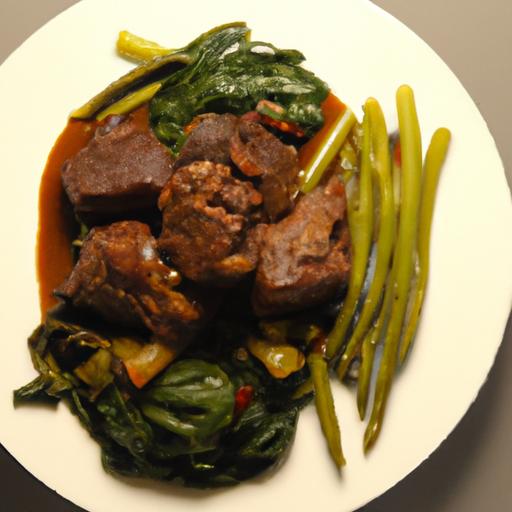
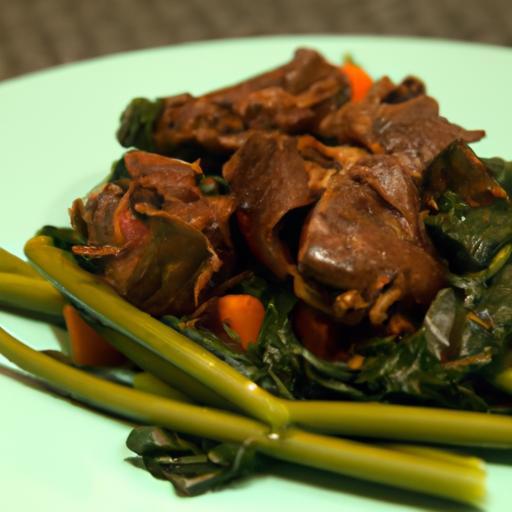
From the sun-drenched savannas to bustling market streets, Africa’s culinary landscape bursts with vibrant colors, bold spices, and time-honored traditions. Among its diverse offerings, authentic African beef recipes stand out as hearty celebrations of culture and flavor, each dish telling a story of heritage and craftsmanship. Whether simmered in fragrant stews, grilled over open flames, or transformed with tangy marinades, beef holds a special place at the heart of many African tables. In this guide, we invite you to savor the rich, nuanced tastes of Africa’s most beloved beef dishes-uncovering recipes that bring together ancient techniques and locally sourced ingredients, promising a truly immersive gastronomic journey. Prepare to explore the continent’s savory secrets, and elevate your cooking with flavors that have been cherished for generations.
Savor the flavors of Africa with the rich, aromatic depths of traditional beef stews, each region adding its unique twist to the identity of this beloved dish. From the smoky charred meat of west Africa to the vibrant,tomato-rich broths of East Africa,mastering these recipes is an invitation to explore the continent’s culinary heritage through the lens of authentic African beef dishes. This guide will walk you through traditional marinades, spice blends, and step-by-step preparation so you can bring the heart of African kitchens into your home.
Prep and Cook Time
- Preparation: 25 minutes
- Marinating time: 2 hours (or overnight for deeper flavor)
- Cooking time: 1 hour 30 minutes
- Total time: Approximately 3 hours
yield
Serves 6 hearty portions
difficulty Level
Medium – requires some patience for marinades and slow cooking but approachable for home cooks of intermediate skill.
Ingredients
- 2 lbs beef chuck, cut into 2-inch cubes
- 1/4 cup palm oil or vegetable oil
- 3 large onions, finely sliced
- 4 cloves garlic, minced
- 2 tablespoons fresh ginger, grated
- 3 medium tomatoes, chopped
- 2 tablespoons tomato paste
- 1 tablespoon smoked paprika
- 1 tablespoon ground coriander
- 1 teaspoon ground cinnamon
- 2 teaspoons berbere spice blend (Ethiopian traditional spice)
- 1 teaspoon cayenne pepper (adjust to taste)
- 2 cups beef broth
- 2 dried bay leaves
- Salt and black pepper to taste
- Fresh chopped cilantro for garnish
- 1 tablespoon lemon juice
Instructions
- Marinate the beef: in a large bowl, combine the beef cubes with minced garlic, grated ginger, smoked paprika, berbere, cayenne, and lemon juice. Mix well. Cover and refrigerate for at least 2 hours or overnight to tenderize and infuse the beef with bold flavors.
- Prepare the base: Heat palm oil in a large heavy-bottomed pot over medium heat. Add sliced onions and sauté until golden brown and caramelized, about 15 minutes, stirring occasionally to prevent burning.
- Add fresh and concentrated tomatoes: Stir in chopped tomatoes and tomato paste. Cook down until the mixture thickens and deepens in color,approximately 10 minutes. This step builds the stew’s rich, velvety texture.
- Brown the beef: In a separate pan, sear the marinated beef in batches over high heat until brown on all sides, about 6 minutes per batch. Avoid overcrowding to ensure a proper crust forms, locking in juices and flavor. Transfer browned meat to the pot with onions and tomatoes.
- Simmer the stew: Pour in beef broth,add bay leaves,ground coriander,cinnamon,salt,and pepper. Stir gently. Bring to a boil, then reduce heat to low and cover. Simmer for 1 to 1.5 hours, stirring occasionally, until beef is fork-tender and sauce is thick and aromatic.
- Adjust seasoning and finish: Taste and adjust salt, pepper, and spice levels as preferred. Remove bay leaves. Garnish with chopped cilantro just before serving for a fresh, vibrant note.
Tips for Success
- For a deeper layer of smoky flavor, consider using dried chili flakes or smoked chili powder in place of cayenne.
- To create variations from different African regions,substitute the berbere blend with harissa for North African inspired heat or suya spice mix to bring in West African notes.
- Slow cooking overnight in a Dutch oven or slow cooker can enhance tenderness and develop rich flavors.
- Leftovers taste even better the next day as the spices meld more deeply.
- Swap beef chuck with oxtail or short ribs for a more gelatin-rich stew.
Serving suggestions
Pair this robust African beef stew with:
- Ugali: A classic maize porridge staple from East Africa that soaks up savory sauces beautifully.
- Fufu: Soft, doughy cassava or yam dough providing a neutral textural contrast.
- Jollof rice: West African spiced tomato rice with a vibrant orange hue that complements the stew’s warmth.
- Accompany your meal with a cold Ginger beer or a dry, fruity red wine like Shiraz to balance the spicy richness.
- Finish with a sprinkle of fresh herbs like cilantro or parsley and a wedge of lime for brightness.
| Nutrient | per Serving |
|---|---|
| Calories | 420 kcal |
| Protein | 38 g |
| Carbohydrates | 10 g |
| Fat | 25 g |

Discover more authentic African recipes and explore their rich culinary stories by visiting our African cuisine collection.
Q&A
Q&A: Savor the Flavors – A Guide to Authentic African beef Recipes
Q1: What makes African beef recipes unique compared to other global cuisines?
A1: african beef recipes celebrate bold, vibrant flavors born from a rich tapestry of spices, herbs, and traditional cooking methods. Unlike many Western beef dishes, African recipes often incorporate ingredients like berbere, suya spice, smoked paprika, and a variety of native peppers that create layers of heat and depth. The cultural significance also shines through-each dish tells a story of community, celebration, and heritage.
Q2: Can you name some iconic African beef dishes that every food lover should try?
A2: Absolutely! Some must-try classics include Nigerian beef Suya, a fiery street food skewered and spiced to perfection; South African Bobotie, a spiced beef casserole with a delicate egg custard topping; Ethiopian Doro Wat (frequently enough made with beef or chicken), simmered in a rich berbere sauce; and Moroccan Beef Tagine, slow-cooked with fragrant spices and dried fruits. Each offers a distinct taste experience bound by African tradition.
Q3: What cooking techniques are commonly used in African beef dishes?
A3: African cuisine embraces slow-simmering,grilling,stewing,and roasting. For instance, slow cooking allows flavors to meld beautifully, as seen in tagines and stews. Grilling is prized for imparting smoky flavor-think suya or peri-peri beef skewers sizzling over open flames. Many recipes also use braising, combining dry and moist heat to tenderize tougher cuts while infusing them with aromatic spices.
Q4: How can a home cook replicate authentic African beef flavors in their kitchen?
A4: start by sourcing key spices and ingredients: berbere blend, smoked chili powder, garlic, ginger, and fresh herbs like cilantro or parsley. Don’t shy away from marinating the beef to let those bold flavors penetrate.Using traditional methods-such as slow-simmering in a heavy pot or grilling over charcoal-can greatly enhance authenticity. And remember, patience is a virtue when it comes to these deeply flavorful dishes!
Q5: Are African beef recipes generally spicy, and can they be adjusted for different heat preferences?
A5: Many African beef dishes feature a pleasant kick of heat, reflecting the region’s love for spicy food. Though, spice levels are highly customizable. You can dial down or up the heat by adjusting the amount of chili, using milder peppers, or balancing with cooling ingredients like yogurt or coconut milk. The key is balancing spice with other flavors-sweetness, acidity, and earthiness-to achieve harmony.
Q6: What sides traditionally accompany African beef dishes?
A6: Sides vary widely across the continent but frequently enough include staples like fluffy fufu (pounded yam or cassava), injera (Ethiopian sourdough flatbread), fragrant rice pilafs, or simple vegetable stews. These sides complement the rich, robust beef dishes and frequently enough serve to soak up every last bit of the savory sauces or spice mixtures.
Q7: Why is it important to explore authentic african beef recipes today?
A7: Exploring authentic African beef recipes is a appetizing journey into a lesser-celebrated culinary world that offers immense diversity,history,and culture with every bite.It broadens our palate, challenges our cooking skills, and honors centuries-old traditions. Plus, it’s a reminder that food is not just nourishment but a vibrant expression of identity, community, and storytelling.
Ready to ignite your kitchen with African beef’s rich heritage? Dive into our guide and savor every authentic bite!
In Conclusion
As you close the chapter on this savory exploration of authentic African beef recipes,remember that each dish is more than just a meal-it’s a story steeped in tradition,culture,and community.Whether it’s the smoky aroma of suya from West Africa or the rich,spiced depths of a South African potjiekos,these flavors invite you to taste history with every bite. So, bring these recipes into your kitchen, savor the vibrant spices, and let the authentic essence of Africa transform your dining table into a celebration of heritage and flavor.Your culinary adventure is just beginning-one delicious dish at a time.