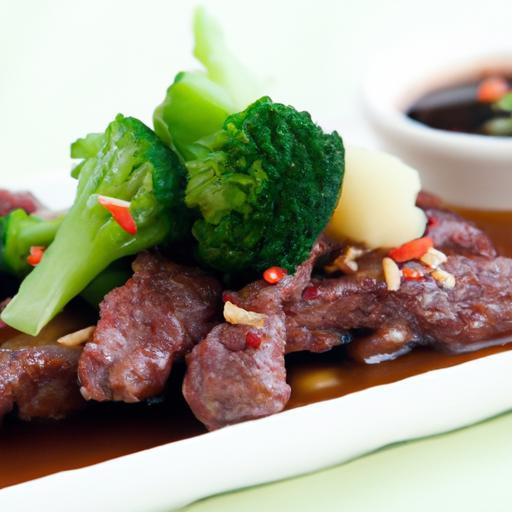
Exploring China’s Diverse Soy Sauce Styles is the key to truly understanding the depth of Chinese cuisine, and Unlocking Flavor: Exploring China’s Diverse Soy Sauce Styles reveals how one ingredient can define an entire culinary identity. Through Exploring China’s Diverse Soy Sauce Styles, cooks uncover centuries of fermentation mastery, while Unlocking Flavor: Exploring China’s Diverse Soy Sauce Styles highlights how regional traditions shape aroma, color, and taste. From north to south, Exploring China’s Diverse Soy Sauce Styles connects history with flavor, making Unlocking Flavor: Exploring China’s Diverse Soy Sauce Styles essential for every food enthusiast.
Discovering the Regional Roots of Soy Sauce Across China
By Exploring China’s Diverse Soy Sauce Styles, home cooks and professionals alike unlock new dimensions of umami, and Unlocking Flavor: Exploring China’s Diverse Soy Sauce Styles transforms everyday dishes into cultural experiences. Each step in Exploring China’s Diverse Soy Sauce Styles deepens appreciation for craftsmanship, while Unlocking Flavor: Exploring China’s Diverse Soy Sauce Styles celebrates balance, depth, and tradition. Ultimately, Exploring China’s Diverse Soy Sauce Styles proves that soy sauce is more than seasoning, and Unlocking Flavor: Exploring China’s Diverse Soy Sauce Styles is a journey through China’s rich gastronomic heritage.
My first encounter with the regional flavors of soy sauce was during a culinary trip to southern China. The deeper, more complex sauces I tasted there instantly transformed my cooking, challenging me to appreciate the nuances of this fermented masterpiece.Embracing these traditional roots will not only enhance your recipes but inspire a culinary adventure worth savoring.
Prep and Cook Time
- Preparation: 15 minutes
- Fermentation & Aging: Varies by style (Typically weeks to months – this post focuses on usage)
- Cooking: 10-15 minutes (for dishes enhanced by soy sauce)
Yield
- Serves 4-6 as a seasoned glaze or marinade base
Difficulty Level
- Medium – Ideal for cooks cozy with layering flavors
Ingredients
- 2 tablespoons dark soy sauce (rich, caramelized flavor, ideal for glazing)
- 1 tablespoon light soy sauce (salty, lighter color, perfect for seasoning)
- 1 teaspoon sesame oil (toasting aroma that binds flavors)
- 1 tablespoon Shaoxing wine (Chinese cooking wine for depth)
- 1 teaspoon minced garlic (fresh and pungent)
- 1 teaspoon minced ginger (adds warmth and spice)
- 1 teaspoon sugar or rock sugar (to balance saltiness)
- 2 scallions, finely chopped
- Optional: 1 dried chili, crushed (for a hint of heat)
instructions
- Prepare your aromatics. In a small bowl, combine the minced garlic, ginger, chopped scallions, and optional chili. Set aside.
- Mix soy sauces and sugar. In a heatproof bowl,whisk together the dark soy sauce,light soy sauce,and sugar until sugar dissolves completely-this creates the perfect umami base.
- Simmer aromatics. Heat a small pan over medium heat, add sesame oil, then gently sauté the aromatics until fragrant and golden brown, about 2-3 minutes. Be careful not to burn garlic.
- Combine and enhance. Pour the soy sauce mixture into the pan with aromatics. Stir in shaoxing wine and simmer gently for 5 minutes to marry flavors, stirring occasionally to prevent sticking.
- Cool and store. Remove from heat and let the soy sauce infusion cool. Transfer to a clean glass jar and refrigerate up to 2 weeks for use as a glaze, marinade, or finishing drizzle.
Tips for Success
- Explore soy sauce varieties: Use regional soy sauces to unlock distinct flavors-such as the sweet Shaoxing style or the bold Cantonese dark soy.
- Balance is key: Adjust sugar and shaoxing wine based on your taste; some prefer a sweeter or more umami-rich sauce.
- Fresh aromatics: Use fresh garlic and ginger to bring brightness. Avoid pre-minced options for best flavor impact.
- Make-ahead advantage: The sauce deepens in flavor when rested overnight, making it perfect for prepping meals in advance.
- Storage note: Keep refrigerated and always use a clean spoon to prevent contamination.
Serving Suggestions
Brighten your stir-fries, grilled meats, or steamed vegetables with a drizzle of this infused soy sauce. For a visually stunning presentation, finish dishes with finely sliced scallions and toasted sesame seeds. It’s equally delicious brushed on charred eggplant or as a dipping sauce for dumplings. To elevate weeknight meals, stir this sauce into noodles or fried rice, instantly transforming humble ingredients into a feast celebrating China’s rich soy sauce heritage.

| Nutrition (per 1 tbsp) | Amount |
|---|---|
| calories | 20 |
| Protein | 2g |
| Carbohydrates | 3g |
| Fat | 0.5g |
Discover more ways to enrich your cooking with soy sauce by visiting our article on regional Chinese sauces: An In-Depth Guide. For further ancient context and fermentation science, the ScienceDirect review on soy sauce fermentation is a valuable resource.
Q&A
Q&A: Unlocking Flavor – Exploring China’s Diverse Soy Sauce Styles
Q1: Why is soy sauce considered an essential ingredient in Chinese cuisine?
A: Soy sauce is much more than a salty condiment in chinese cooking; it’s a flavor powerhouse that adds depth, umami, and a rich color to countless dishes. It acts like a culinary bridge, uniting ingredients by enhancing their inherent flavors while introducing complex notes born from careful fermentation.
Q2: How many different types of soy sauce are there in China?
A: China’s soy sauce landscape is as vast as its culinary heritage. Generally, soy sauces fall into two broad categories: light (生抽, shēng chōu) and dark (老抽, lǎo chōu). But within these, regional varieties burst with unique flavor profiles-think of the robust, savory soy sauces from Guangdong, the slightly sweet and aromatic ones from Fujian, or the richer, mellow versions crafted in Jiangsu province.
Q3: What distinguishes light soy sauce from dark soy sauce?
A: Light soy sauce is typically thinner, saltier, and used primarily to season dishes without overpowering them; it’s the express lane for umami. Dark soy sauce, conversely, is aged longer and often mixed with caramel or molasses, resulting in a thicker texture, a deeper color, and a subtly sweet flavor that lends warmth and richness-perfect for braises and stir-fries where color matters as much as taste.
Q4: Are there soy sauces made with unique ingredients or methods?
A: Absolutely! Some artisan producers in regions like Sichuan might infuse soy sauce with fragrant spices or age it in special containers to impart smoky or nutty undertones. Others might balance fermentation with the inclusion of rice wine or even use heirloom soybean varieties that lend distinctive aromas. Each method tells a story of locality, tradition, and creativity.
Q5: How does the fermentation process affect the flavor of soy sauce?
A: Fermentation is the alchemist’s touch that transforms humble soybeans and wheat into flavor gold. The length of fermentation, the temperature, and the microbial cultures involved all influence the final taste. Longer fermentation typically produces a more complex, mellow soy sauce, while shorter times yield brighter, punchier flavors. Think of it as aging wine-the process unlocks nuanced character.
Q6: Can soy sauce styles influence the way a dish tastes?
A: Definitely.substituting one soy sauce style for another can shift a dish’s entire flavor profile. Using dark soy sauce in a light soup can overpower its delicate balance, while relying solely on light soy sauce in a rich braise might leave the dish lacking depth and color. Master chefs select their soy sauces as carefully as they pick their spices-the right match elevates the dish from good to unforgettable.
Q7: How can home cooks experiment with chinese soy sauces?
A: Start by tasting different soy sauces side by side-note their saltiness, sweetness, thickness, and aroma. Try light soy sauce in dipping sauces or as a seasoning for vegetables, and use dark soy sauce when you want a caramelized hue in stir-fries or stews. Don’t be afraid to blend them in small amounts to achieve a customized flavor. The key is to unlock their potential step by step, letting each sauce sing in the kitchen symphony.
Q8: where can one find authentic Chinese soy sauces outside of china?
A: Specialty Asian markets are treasure troves, frequently enough stocking regional soy sauces imported directly from China. Online retailers focused on authentic Asian ingredients also offer a curated selection. When buying, look for soy sauces with minimal additives and natural fermentation marks, frequently enough indicated on labels or through brand heritage stories.
Unlocking the mysteries of China’s diverse soy sauces is a journey into centuries of culinary artistry. Each bottle holds a world of flavor waiting to transform your dishes-and perhaps even your understanding of what a simple sauce can truly be.
The Way Forward
From the rich, mellow depths of dark soy to the bright, salty punch of light soy, China’s soy sauce varieties are more than mere condiments-they are distilled stories of regional heritage and culinary artistry. Unlocking these diverse flavors invites not just a taste, but a journey through centuries of tradition and innovation. Whether drizzled over noodles, stirred into stir-fries, or used as a marinade, each soy sauce style offers a unique key to enhancing your dishes and deepening your appreciation for China’s vibrant food culture. So next time you reach for that familiar bottle, remember: you’re holding a flavorful passport, ready to transport your palate across a vast and delicious landscape.