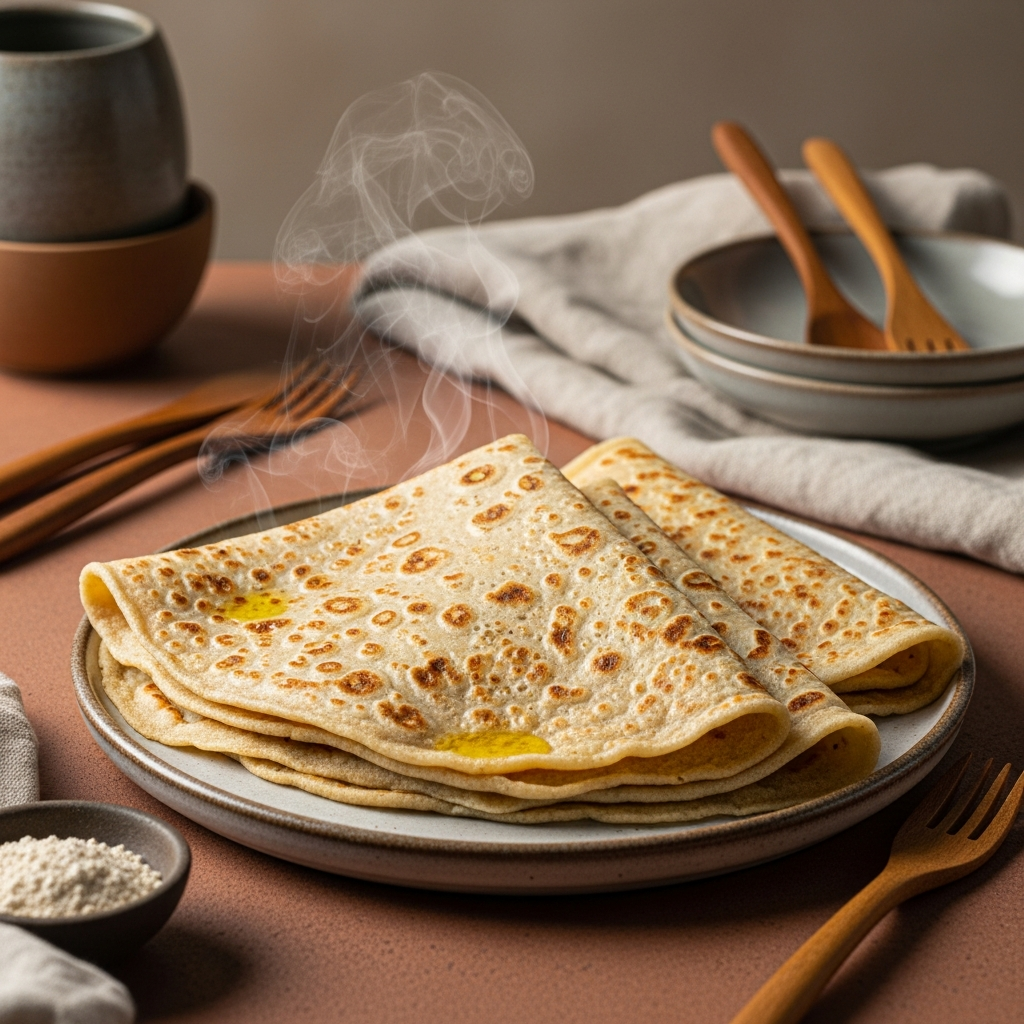
In the heart of South Sudan’s vibrant culinary tapestry lies a humble yet profound staple: kisra. This thin, fermented sorghum bread is more than just nourishment-it is indeed a symbol of tradition, resilience, adn communal spirit. As the aroma of kisra rising from clay stoves fills the air, stories steeped in history unfold with every fold and tear. “Kisra Unveiled: South Sudan’s Staple Sorghum Bread tradition” invites you on a flavorful journey to explore the origins, preparation, and cultural meaning of this beloved bread that has fed generations and continues to bind communities together in a shared heritage.
Kisra is far more than just a sourdough flatbread in South Sudanese culture; it is indeed a living, breathing symbol of heritage, community, and nourishment. Traditionally made from fermented sorghum batter, kisra embodies centuries of culinary wisdom and sustainable agricultural practices that connect generations. Through intimate family kitchens and vibrant village gatherings, kisra’s distinctive tang and delicate texture evoke treasured memories and forge communal bonds.This recipe not only invites you to master the art of kisra but also to experience a vital link to South Sudan’s rich cultural tapestry.
Prep and Cook Time
- Preparation: 12 hours (including fermentation)
- Active Cook Time: 20 minutes
Yield
Serves 6-8 people
Difficulty Level
Medium – Requires patience for fermentation and careful cooking
Ingredients
- 2 cups sorghum flour
- 1 cup wheat flour (optional,for flexibility in texture)
- 3 cups lukewarm water
- 1 teaspoon salt
- 1 teaspoon active dry yeast (optional,for quicker fermentation)
- Cooking oil or ghee,for greasing the pan
Instructions
- Prepare the Batter: In a large mixing bowl,combine sorghum flour and wheat flour (if using). Gradually add lukewarm water while stirring, aiming for a smooth, pourable batter similar to crepe consistency.
- Activate Fermentation: Sprinkle active dry yeast over the batter if faster fermentation is desired; otherwise, rely on natural fermentation. Cover the bowl with a clean cloth and leave it to ferment at room temperature for 10-12 hours.You’ll notice a slightly sour aroma and some bubbles forming-signals that the batter is ready.
- Add Salt: After fermentation, stir in salt to enhance flavor.
- Preheat the Pan: Heat a non-stick or cast-iron skillet over medium heat. Lightly grease with oil or ghee to prevent sticking and create a golden crust.
- Cook the Kisra: Pour a ladleful of the fermented batter into the center of the pan. Quickly tilt and swirl the pan to spread the batter thinly and evenly, forming a circular flatbread approximately 8 inches in diameter.
- Steam and Cook: Cover the pan with a lid to trap steam, which cooks the kisra evenly. Cook for about 2-3 minutes or until the surface is matte and cooked through. Unlike pancakes, kisra is not flipped.
- Remove and Cool: Gently lift the kisra from the pan using a spatula and transfer it to a clean plate. Allow it to cool slightly; this enhances pliability and flavor.
- Repeat: Continue with the remaining batter, re-greasing the skillet as needed to maintain the perfect golden finish.
Tips for Success
- Fermentation is Key: For authentic tang, ensure proper fermentation by keeping the batter covered but breathable. Temperature impacts time; warmer climates may ferment faster.
- Flour Variations: While sorghum flour is conventional, blending with wheat flour eases batter handling for beginners without sacrificing much flavor.
- Pan Choice: A well-seasoned cast-iron skillet offers the best heat distribution and crust growth.
- Make-Ahead: Fermented batter keeps up to two days refrigerated; simply stir well before cooking.
- Texture Tip: The batter should be slightly thinner than pancake batter; if too thick, kisra will be dense.
Serving Suggestions
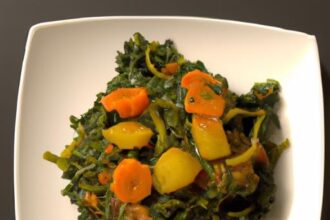
Serve warm kisra rolled or folded alongside rich stews like mullah (South Sudanese Spinach Stew) or hearty meat sauces. Garnish with fresh herbs such as cilantro or parsley to brighten the plate.Kisra’s subtle sourness balances robust flavors and provides a satisfying texture ideal for dipping and tearing. For added depth, accompany with a drizzle of spiced oil or a vibrant tomato relish.

| Nutrient | per Serving (1 kisra approx.) | % Daily Value* |
|---|---|---|
| Calories | 120 kcal | 6% |
| protein | 3 g | 6% |
| Carbohydrates | 25 g | 8% |
| Fat | 1 g | 2% |
*Percent Daily Values are based on a 2,000 calorie diet.
By embracing kisra, you nurture a wholesome connection to South Sudan’s culinary heritage, while celebrating a sustainable, nutritious staple that transcends borders. discover more about sorghum’s impact on global nutrition at FAO Sorghum and Millet Initiative.
Q&A
Q&A: Kisra Unveiled – South Sudan’s Staple Sorghum Bread Tradition
Q1: What exactly is Kisra and why is it so important in South Sudan?
A1: It is a thin,fermented sorghum flatbread that serves as the culinary backbone of South Sudanese cuisine. Often described as a soft, spongy pancake, it’s more than just food-it’s a cultural symbol, a daily ritual, and a communal experience that binds families and communities together. In a country where sorghum is a staple crop,Kisra embodies resilience and tradition.
Q2: How is Kisra made, and what makes it different from other traditional flatbreads?
A2: Kisra is crafted from sorghum flour mixed with water and left to ferment overnight, giving it a distinctive tangy flavor. the batter is then poured onto a hot clay or metal griddle called a mitad, spreading thinly to create a delicate, lace-like texture.Unlike the unleavened flatbreads found elsewhere, it’s fermentation gives it a subtle complexity and softness that pairs perfectly with hearty stews.
Q3: Why is sorghum the grain of choice for Kisra in South sudan?
A3: Sorghum thrives in South Sudan’s challenging climate and acidic soils, making it a drought-resistant crop essential for food security. Its hearty grains have sustained generations,and through Kisra,sorghum becomes not just sustenance but a tapestry of culture and history on every plate.
Q4: Beyond nourishment, what cultural significance does Kisra hold?
A4: It is frequently enough central at gatherings, ceremonies, and even during moments of storytelling. Sharing Kisra and stew is an intimate act of hospitality and respect, reinforcing social bonds. The process of making Kisra-from fermenting the batter to cooking on the mitad-is traditionally passed down through generations, preserving heritage in every fold and crumb.
Q5: How has Kisra evolved in contemporary South Sudanese society?
A5: While it remains a household staple, urbanization and modern lifestyles are influencing its preparation and consumption. some embrace quicker recipes or substitute grains, but many young South Sudanese are rediscovering Kisra as a way to reconnect with their roots-whether in local markets or diaspora communities worldwide, Kisra continues to tell the story of home.
Q6: Can Kisra be paired with other cuisines or adapted in new ways?
A6: Absolutely! While traditionally served with rich, spicy stews like mullah, it’s mild tanginess and spongy texture make it a versatile companion. Innovative chefs are experimenting by pairing Kisra with international flavors or using it as an alternative wrap or base, bridging South Sudanese tradition with global gastronomy.
Q7: Where can someone outside South Sudan experience authentic Kisra?
A7: It is frequently enough found in South Sudanese communities’ homes and restaurants across the world-from Nairobi to Minnesota. Food festivals celebrating african cuisines and specialty markets sometimes feature Kisra, inviting adventurous food lovers to taste a slice of South Sudan’s heart and heritage.
Kisra is more than bread-it’s a living legacy,a daily delight,and a flavorful reminder of South Sudan’s enduring spirit. Whether savored in a bustling market or shared among friends, it invites us all to break bread and connect across cultures.
The Conclusion
As the golden hues of Kisra continue to grace South Sudanese tables, this humble sorghum bread stands as more than just nourishment-it is a living thread weaving together history, culture, and community. From ancient grain to daily staple, it invites us to savor not only its tangy flavor and delicate texture but also the enduring spirit of a people whose traditions rise resiliently like the bread itself. In unveiling Kisra, we uncover a story of survival, identity, and connection-a reminder that sometimes, the simplest foods carry the richest legacies.