In a world where culinary trends evolve at lightning speed,there lies an enduring charm in the flavors passed down through generations. Traditional Chinese recipes are not merely dishes; they are vibrant stories woven from centuries of culture,history,and artistry. Each bite is a journey through time,inviting us to savor the essence of heritage and the wisdom of ancestral kitchens. This article explores these timeless treasures-recipes that have stood the test of time,carrying with them the soul of a civilization and the heartfelt devotion of those who keep the flame of tradition alive. Join us as we delve into the rich tapestry of Chinese culinary heritage, uncovering the flavors that continue to inspire and unite.
Savoring Heritage: Timeless Treasures of Traditional Chinese recipes reveals the true mastery of balancing flavors, with every bite telling a story of culture, history, and culinary artistry.From the sweet-savory harmony of Cantonese cuisine to the bold, spicy intensity of Sichuan dishes, discovering these treasures not only excites the palate but invites a deeper appreciation for centuries of innovation and tradition.
Prep and Cook Time
- Preparation: 20 minutes
- cooking: 30 minutes
- Total time: 50 minutes
Yield
Serves 4 generous portions
difficulty Level
Medium – approachable for home cooks eager to refine their skills
ingredients
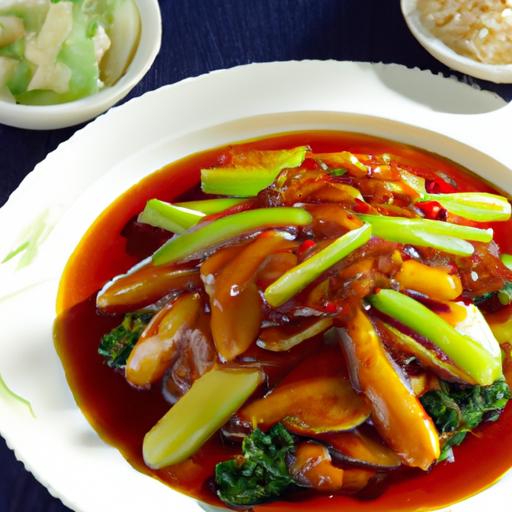
- 450g boneless, skinless chicken thighs, sliced thinly
- 2 tbsp light soy sauce
- 1 tsp cornstarch
- 3 tbsp peanut oil
- 4 cloves garlic, minced
- 1 inch fresh ginger, julienned
- 2 dried red chilies, whole
- 1 tbsp doubanjiang (fermented chili bean paste)
- 1 red bell pepper, sliced thin
- 1 cup snow peas, trimmed
- 2 green onions, chopped
- 1 tsp toasted sesame oil
- ½ tsp white pepper
- Salt, to taste
Instructions
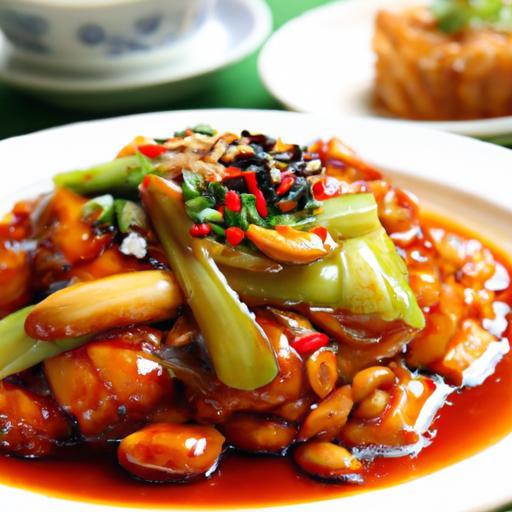
- Marinate the chicken: In a medium bowl, combine sliced chicken thighs with light soy sauce, and cornstarch. Mix thoroughly and set aside for 15 minutes.This tenderizes the meat and imparts subtle umami.
- Heat the wok: Over medium-high flame, add peanut oil and swirl to coat. When shimmering, add minced garlic, julienned ginger, and dried red chilies. Sauté until fragrant, about 30 seconds-avoid burning for a clean, aromatic base.
- Brown the chicken: Add marinated chicken in a single layer; let sear without stirring for 2 minutes to get a beautiful golden crust.Then stir-fry for another 3 minutes until mostly cooked through.
- Introduce the flavors: Stir in the doubanjiang, coating the chicken and releasing the paste’s complex heat and depth. Add the sliced red bell pepper and snow peas,tossing quickly to retain crunch and vivid color.
- Season and finish: Sprinkle with white pepper, adjust salt as desired, and drizzle with toasted sesame oil for a nutty lift. Toss in chopped green onions just before removing from heat to maintain freshness.
- Serve promptly: Present over steamed jasmine rice or noodles for the ultimate comfort meal that sings the legacy of authentic Chinese cooking.
Tips for Success
- Use chicken thighs rather of breast for juiciness and tenderness that balance the robust sauces.
- Doubanjiang can be fiery. Adjust the quantity or substitute with mild chili paste for a gentler heat.
- Maintain high heat during stir-frying to replicate traditional wok hei-the “breath of the wok”.
- Prepare all ingredients ahead (mise en place) as stir-frying happens fast.
- Try making this dish a day ahead; flavors deepen beautifully overnight if stored properly.
Serving Suggestions
For an authentic dining experience, serve alongside Chinese steamed buns (mantou), or a light cucumber salad to cut through the richness. Garnish with extra chopped green onions and a sprinkle of toasted sesame seeds for texture contrast and visual appeal. A chilled glass of lightly sweetened jasmine tea pairs perfectly, cleansing the palate between bites.

Nutritional Details (per serving)
| calories | Protein | Carbs | Fat |
|---|---|---|---|
| 320 kcal | 34 g | 8 g | 15 g |
Unearth more traditional gems to enrich your home-cooking style with our guide to ancient Chinese spices and their uses. For a deeper dive into authentic Chinese culinary arts, consult authoritative resources like the MasterClass Ultimate Guide to Chinese Cuisine.
Q&A
Q&A: savoring Heritage – Timeless Treasures of Traditional Chinese Recipes
Q1: What makes traditional Chinese recipes so enduring through the centuries?
A1: Traditional Chinese recipes are culinary time capsules, lovingly preserving the wisdom of generations. Rooted in regional diversity and the ideology of balance-yin and yang,five flavors,seasonality-they embody more than just food; they are expressions of culture,history,and identity. These recipes endure as they nourish both body and soul, adapting subtly through time while keeping their core essence alive.
Q2: How do traditional Chinese dishes reflect the cultural heritage of different regions?
A2: China’s vast geography offers a stunning culinary mosaic. From the fiery, bold spices of Sichuan to the delicate, fresh flavors of Cantonese cuisine, each region’s recipes tell a story of climate, local ingredients, and cultural values. These dishes act as edible heritage, showcasing regional customs-from street markets to imperial courts-and invite us to taste the rich tapestry of China’s history on a single plate.
Q3: Why is balance such an critically important concept in traditional Chinese cooking?
A3: Balance in traditional Chinese cooking goes far beyond taste-it is indeed a philosophy intertwined with health and harmony. By blending flavors (sweet, sour, bitter, salty, umami), textures, and colors, these recipes aim to create a harmonious experience that aligns with the body’s natural rhythms. This principle ensures that every meal is not only flavorful but also promotes wellness and vitality, reflecting the ancient Chinese belief in food as medicine.
Q4: Can you share an example of a traditional recipe that has stood the test of time?
A4: One iconic example is the classic Peking Duck. This dish dates back to the imperial kitchens of the Ming dynasty,celebrated for its crispy skin and succulent meat,paired with soft pancakes and fragrant hoisin sauce. It’s a masterpiece of technique and flavor, signaling festivity and refinement, and remains a beloved symbol of Chinese culinary legacy worldwide.
Q5: How can modern cooks honor traditional Chinese recipes in today’s kitchens?
A5: honoring tradition doesn’t mean rigidity-it means respect. Modern cooks can embrace authentic ingredients and techniques while allowing for innovation and accessibility. Exploring family recipes, sourcing fresh produce, and understanding the cultural context can deepen appreciation. Ultimately, cooking these dishes is an act of storytelling, connecting the past with the present on a shared dining table.
Q6: What role do traditional Chinese recipes play in preserving cultural identity today?
A6: In a rapidly globalizing world, traditional Chinese recipes are anchors of identity and pride. They enable communities to maintain a tangible link to their roots, passing down stories and values with every simmer, stir, and savor.These recipes foster a sense of belonging, reminding us that heritage lives not only in history books but in the aromatic steam rising from a well-loved family pot.
The Way Forward
as the aromatic whispers of ginger, star anise, and five-spice powder fade from our kitchen, we carry with us more than just flavors – we carry stories, history, and the heart of a culture rich in tradition. Traditional Chinese recipes are not merely meals; they are edible heirlooms, connecting generations past and present through taste and technique.By savoring these timeless treasures, we honor a heritage that transcends time, inviting us to slow down, appreciate, and preserve the culinary artistry that has nourished both body and soul for centuries. So, whether you’re stirring a pot of tender braised pork or delicately folding dumplings, remember you’re not just cooking-you’re partaking in a legacy that invites every bite to tell a story.