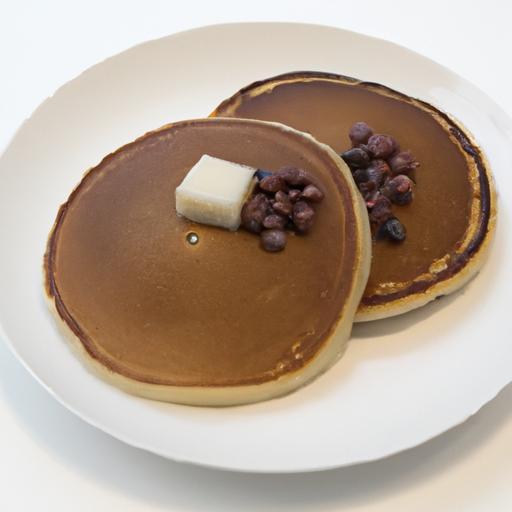
Nestled within the vibrant tapestry of Japan’s culinary treasures lies a beloved sweet treat that has captured hearts and taste buds alike: dorayaki. imagine two soft, fluffy pancakes embracing a luscious, velvety layer of sweet red bean paste-this is dorayaki, a delightful fusion of simplicity and tradition. Far more than just a snack, dorayaki carries stories of heritage, comfort, and seasonal festivity, inviting you to explore a uniquely Japanese flavour experience. Journey with us as we uncover the origins, cultural meaning, and irresistible charm of this iconic red bean pancake delight.
Discover Dorayaki perfectly invites you into the heart of Japanese comfort food with its fluffy pancakes embracing a luscious sweet red bean filling. This beloved treat has been warming hearts and taste buds across Japan for generations, blending simplicity with deeply rooted cultural tales. Originating from traditional Japanese confectionery, dorayaki’s story extends beyond its delicious flavor-each bite echoes communal joy and seasonal celebrations, making it a must-try classic with an endless array of regional innovations.
Prep and Cook Time
- Preparation: 15 minutes
- Cooking: 10 minutes
- Total: 25 minutes
yield
Makes 8 dorayaki pancakes (4 sandwich pairs)
Difficulty Level
Easy – Perfect for both beginners and seasoned home cooks
Ingredients
- 1 cup all-purpose flour, sifted
- 3/4 cup granulated sugar
- 3 large eggs
- 2 tbsp honey (preferably acacia for mild sweetness)
- 1/2 tsp baking powder
- 2 tbsp water (adjust as needed for batter consistency)
- 1 cup sweetened red bean paste (anko), smooth or chunky depending on preference
- Vegetable oil for cooking
Instructions
- Whisk the eggs and sugar together in a medium bowl until the mixture is pale and slightly frothy, ensuring the sugar fully dissolves for smooth pancakes.
- Stir in honey and mix thoroughly to combine the natural sweetness and aroma evenly.
- In a separate bowl, sift the flour and baking powder to prevent lumps and ensure a tender crumb.
- gradually add the dry ingredients to the wet mixture, folding gently to incorporate without overmixing. If the batter seems to thick, add water tablespoon by tablespoon to reach a pourable but thick consistency similar to American pancake batter.
- Preheat a non-stick skillet on medium-low heat and lightly grease it with vegetable oil, wiping away the excess with a paper towel to avoid oily pancakes.
- Pour 2 tablespoons of batter for each pancake onto the skillet, forming circles about 3 inches wide.
- Cook for about 2 minutes on one side until bubbles start to form and the underside is golden brown. Flip carefully and cook for another 1-2 minutes until the other side is also golden and the pancake is cooked through.
- Remove from heat and let pancakes cool briefly before assembling to prevent an overly soft or sticky texture.
- Place a generous tablespoon of sweet red bean paste on one pancake and sandwich it gently with another. Press lightly to seal the edges while keeping the filling intact.
- Repeat the process until all pancakes are paired and filled. Serve fresh or at room temperature for an authentic experience.
Tips for Success
- For extra fluffiness, separate the eggs and whisk the whites until soft peaks form, then fold into the batter at the end.
- If you prefer a less sweet filling, opt for a plain anko or mix with Whipped cream to balance the sweetness and texture.
- Adjust heat carefully; too high temperatures will overbrown pancakes before cooking through.
- Make-ahead tip: Dorayaki can be wrapped tightly and refrigerated for up to 2 days; warm slightly in a microwave before serving to revive softness.
- Substitute honey with maple syrup or brown sugar for varied flavor profiles.
Serving Suggestions
Serve dorayaki with a side of freshly brewed green tea or matcha latte to complement the sweet, earthy bean flavor. Garnish with a light dusting of powdered sugar or toasted sesame seeds for added texture and aroma. For a modern twist, add sliced fresh fruit like strawberries or a dollop of whipped cream inside the pancakes for an irresistible fusion.

| Nutrient | Per Serving (1 sandwich) |
|---|---|
| Calories | 210 kcal |
| protein | 5 g |
| Carbohydrates | 40 g |
| Fat | 3 g |
For deeper insight into traditional Japanese sweets and their cultural narratives, check out our article on traditional Japanese sweets. to explore the history of anko (sweet bean paste),visit japan Guide: Anko Sweet Red Bean Paste.
Q&A
Q&A: Discover Dorayaki - Japan’s Sweet Red Bean Pancake Delight
Q1: What exactly is Dorayaki?
A1: Dorayaki is a beloved traditional Japanese confection consisting of two fluffy, golden-brown pancakes sandwiched together with a luscious filling of sweetened red bean paste, known as anko. Its texture is soft and moist, offering a perfect balance between subtly sweet batter and rich, smooth azuki beans.
Q2: How did Dorayaki get its name?
A2: The name “Dorayaki” combines “dora” meaning “gong” and “yaki” meaning “grilled” or “baked.” Legend has it that a samurai dropped his gong (a small percussion instrument), which later became the inspiration for the round, gong-shaped pancakes. Hence, ”Dorayaki” directly reflects its shape and method of cooking.
Q3: What makes Dorayaki different from regular pancakes?
A3: Unlike traditional Western pancakes, Dorayaki is made with a slightly denser batter using eggs, sugar, honey, and flour, resulting in a tender yet firm texture. The use of sweet azuki bean paste as a filling sets it apart from the usual maple syrup or butter-topped pancakes, introducing a uniquely delicate sweetness and earthy flavor profile.
Q4: Can Dorayaki be found all over Japan?
A4: Absolutely! dorayaki is a popular treat throughout Japan and can be found in supermarkets, specialty wagashi (Japanese sweets) shops, convenience stores, and festivals. Each region might offer its own twist, sometimes incorporating matcha cream, custard, or chestnut fillings alongside the classic red bean paste.
Q5: Is dorayaki only enjoyed as a dessert?
A5: Though most commonly served as a sweet snack or dessert,Dorayaki’s hearty texture makes it a versatile treat. It’s enjoyed with tea during afternoon breaks, as a quick energy boost for kids, or even paired with savory accompaniments in creative modern recipes.
Q6: How can I experience the authentic taste of Dorayaki at home?
A6: To savor Dorayaki authentically, seek out good-quality anko, preferably made from azuki beans cooked slowly with just the right amount of sweetness. The pancakes should be light, golden, and fluffy, often achieved by folding in some honey or mirin into the batter. Numerous recipes and even pre-made kits are available online for home cooks eager to bring a piece of japan’s sweet tradition to their kitchen.
Q7: Why has Dorayaki remained so popular over the years?
A7: Dorayaki’s enduring appeal lies in its comforting simplicity and the nostalgic connection it holds for many Japanese people.It marries the familiar with the distinct-combining pancakes, a global favorite, with the uniquely Japanese flavor of red bean paste. Whether enjoyed on a cold winter’s day or as a summer picnic treat, Dorayaki continues to delight generations with its cozy, sweet charm.
Q8: Are there any cultural references or fun facts related to Dorayaki?
A8: Indeed! dorayaki gained international fame thanks to Doraemon, the iconic Japanese robot cat, who is known for his insatiable love of this sweet pancake. This pop culture connection has helped introduce Dorayaki to fans all over the world, fueling curiosity and appetite for this classic treat.
Enjoy exploring Dorayaki-japan’s sweet pancake treasure-one delicious bite at a time!
In conclusion
Whether you’re a seasoned traveler or a curious foodie, Dorayaki offers a sweet slice of Japanese tradition that’s both simple and satisfying. This humble red bean pancake, with its fluffy texture and rich, subtly sweet filling, invites you to savor a taste of Japan’s culinary heritage in every bite. so next time you’re looking to indulge in something uniquely delightful, remember Dorayaki-a perfect harmony of flavor and culture wrapped in golden pancakes, waiting to be discovered.