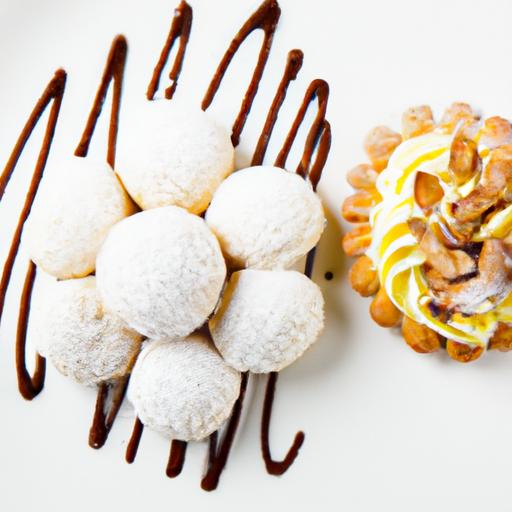



In the heart of Italy’s rich culinary tapestry lies a treasure trove of desserts that have delighted palates for centuries. From velvety tiramisu to crisp cannoli, italy’s timeless dessert classics are more than just sweets-they are edible stories, each bite a journey through history, culture, and tradition. “Sweet Heritage: Exploring Italy’s Timeless Dessert Classics” invites you to uncover the origins, ingredients, and regional twists behind these beloved treats. Join us as we delve into the artistry and passion that transform simple ingredients into iconic masterpieces, preserving a tasty legacy that continues to enchant the world.
Sweet Heritage: Exploring Italy’s Timeless Dessert Classics
Embark on a delicious journey through Italy’s sweet heritage where each dessert tells a story soaked in centuries of tradition and regional pride. From the luscious layers of tiramisu in Veneto to the crisp, filled cannoli of Sicily, these iconic sweets embody the soul of their land, marrying simple ingredients into unforgettable flavors. As someone who has styled and tasted these masterpieces firsthand, I invite you to savor their origins, master timeless recipes at home, and discover authentic spots across Italy where these desserts come alive.
Prep and Cook Time
- Prep Time: 30 minutes
- Cook Time: 25 minutes (includes chilling or baking time)
- Total Time: Approximately 55 minutes
Yield
Serves 6-8 generous portions
Difficulty Level
Medium – perfect for adventurous home cooks eager to recreate traditional Italian flavors
Ingredients for Classic Tiramisu
- 6 large egg yolks,at room temperature
- 3/4 cup granulated sugar
- 1 cup mascarpone cheese,softened
- 1 1/2 cups heavy cream,chilled
- 2 cups strong espresso,cooled to room temperature
- 1/4 cup coffee liqueur (optional)
- About 24 ladyfinger cookies (savoiardi)
- Unsweetened cocoa powder for dusting
- Dark chocolate shavings (optional garnish)
Instructions
- Whisk egg yolks and sugar: In a heatproof bowl over a bain-marie,gently whisk together the egg yolks and sugar until the mixture thickens and turns pale,about 5-7 minutes. Remove from heat and let it cool slightly.
- Fold in mascarpone: Transfer the mixture to a large bowl and carefully fold in the mascarpone cheese until smooth and creamy. This forms the velvety base of your tiramisu.
- Whip the cream: In a separate chilled bowl, beat the heavy cream to stiff peaks. Gently fold the whipped cream into the mascarpone mixture to keep it light and airy.
- Prepare coffee dip: Combine the espresso with coffee liqueur in a shallow dish.Quickly dip each ladyfinger into the coffee mixture-do not soak; just a speedy 1-2 seconds to absorb the flavor without turning soggy.
- Assemble the tiramisu: Layer half of the dipped ladyfingers evenly in your chosen serving dish. Spread half of the mascarpone cream over the ladyfingers. Repeat with the remaining ladyfingers and cream, smoothing the top with a spatula.
- Chill and garnish: Cover the dish and refrigerate for at least 4 hours or overnight-this allows the flavors to meld and the dessert to firm up beautifully. Before serving, dust generously with unsweetened cocoa powder and sprinkle with dark chocolate shavings for an extra touch of elegance.
Chef’s Notes
- For a safer choice to raw eggs,use pasteurized egg yolks or an egg-free custard base.
- If mascarpone is unavailable, a blend of cream cheese and heavy cream can substitute, though flavor and texture will vary.
- Adjust the coffee liqueur quantity according to preference or omit for a non-alcoholic version.
- Make the tiramisu a day ahead-it tastes even better the next day as the flavors develop fully.
- For a regional twist, try infusing the coffee with a cinnamon stick or some orange zest for a subtle aromatic lift.
Serving Suggestions
serve tiramisu chilled in clear glass dishes or elegant trifle bowls to showcase the stunning layers of espresso-soaked ladyfingers and creamy mascarpone. accompany with a strong espresso or a small glass of Vin Santo to enhance the italian experience. Garnishing with a fresh mint leaf or a sprinkle of toasted almond slivers can add visual contrast and a delightful texture.
| Nutrient | Amount per serving |
|---|---|
| Calories | 430 kcal |
| Protein | 7 g |
| Carbohydrates | 35 g |
| Fat | 28 g |
Discovering Sweet Heritage Through italy’s Regions
Every Italian region brings its own distinct sweetness to the table. Such as, cannoli are the Sicilian pride, featuring crispy, tube-shaped shells filled with creamy ricotta and often dotted with candied fruit or chocolate chips. The Neapolitan sfogliatella boasts flaky, layered pastry that crackles delightfully with every bite, filled with a fragrant blend of ricotta, semolina, and citrus zest. Even more north, in Piedmont, bicerin combines rich coffee, dark chocolate, and creamy milk into a layered nocturnal treat.
Understanding these nuances of Italy’s sweet heritage empowers you to replicate authentic experiences at home or to seek them out on travels.For further inspiration, explore our Italian Pastry Guide. And for the historical context of these treasured recipes, visit Accademia Italiana della Cucina, Italy’s foremost authority on traditional gastronomy.

Q&A
Q&A: Sweet Heritage – exploring Italy’s Timeless Dessert Classics
Q1: What makes Italian desserts so unique compared to other culinary traditions?
A1: italian desserts are a harmonious blend of simplicity, quality ingredients, and centuries-old traditions. Unlike overly complex sweets, Italian desserts focus on bold, natural flavors-think rich mascarpone, fresh citrus, aromatic espresso, and delicate nuts-that tell the story of Italy’s diverse regions. Each bite is a taste of history, culture, and artistry.
Q2: which Italian dessert can be considered the iconic symbol of Italy’s sweet heritage?
A2: While there are many contenders, tiramisù often steals the spotlight. This luscious layering of espresso-soaked ladyfingers, creamy mascarpone, and a dusting of cocoa powder is a modern classic born in the Veneto region. Its name means “pick me up,” perfectly capturing the dessert’s luminous, bittersweet charm woven with Italian coffee culture.
Q3: How do regional differences influence Italy’s dessert landscape?
A3: Italy’s regional diversity is a flavorful tapestry. In Sicily, you’ll find cannoli-crisp pastry tubes filled with sweet ricotta and studded with candied fruit-reflecting a blend of Arab and Mediterranean influences. In Tuscany, castagnaccio pays homage to chestnuts harvested from local forests. Each region’s climate, history, and ingredients give rise to unique sweets that together form Italy’s rich dessert heritage.
Q4: are there Italian desserts tied to specific festivals or seasons?
A4: Absolutely! Many Italian sweets are deeply connected to the calendar. Panettone, the fluffy, fruit-studded bread, is a Christmas staple, resonating warmly around holiday tables across the country. During Carnival,regions indulge in chiacchiere-light,crispy fried pastries dusted with powdered sugar,symbolizing celebration and joy before Lent begins.
Q5: Can Italian desserts be adapted for modern dietary preferences without losing their essence?
A5: Yes! the soul of Italian desserts lies in fresh, high-quality ingredients and balanced flavors, which makes them surprisingly adaptable. For example, traditional tiramisù can be made with gluten-free ladyfingers or vegan mascarpone alternatives. Almond flour can substitute wheat flour in biscotti, ensuring the classic crunch remains. The key is honoring authenticity while embracing innovation.
Q6: How can home cooks bring a slice of Italy’s dessert heritage into their own kitchens?
A6: Start simple-focus on classic recipes like panna cotta or affogato that require just a few authentic ingredients. Use fresh, regional products whenever possible; quality is paramount. Take your time layering flavors and textures, because patience mirrors Italian craftsmanship. Most importantly, savor the process and share the results-the heart of Italian dessert tradition is about joy and community.
Q7: What cultural values are reflected in Italy’s approach to dessert?
A7: Italian desserts reflect values of patience, respect for tradition, and the celebration of life’s simple pleasures. They embody the Italian philosophy of la dolce vita-the sweet life-where food is an experience to be savored with family and friends, a ritual that brings people together to enjoy beauty, flavor, and history all at once.
The Way Forward
As we close the chapter on this delectable journey through Italy’s timeless dessert classics, it’s clear that these sweet treasures are far more than indulgent treats-they are edible stories, crafted through centuries of tradition, regional pride, and heartfelt passion. From the velvety layers of Tiramisu to the crisp, golden charm of Cannoli, each dessert offers a flavorful glimpse into Italy’s rich cultural tapestry. Whether you savor them in a bustling piazza or recreate them in your own kitchen, these iconic sweets invite you to taste history, celebrate heritage, and experience the enduring magic that makes Italian desserts truly unforgettable. So go ahead-let your palate wander, and discover why Italy’s sweet legacy continues to enchant the world, one bite at a time.