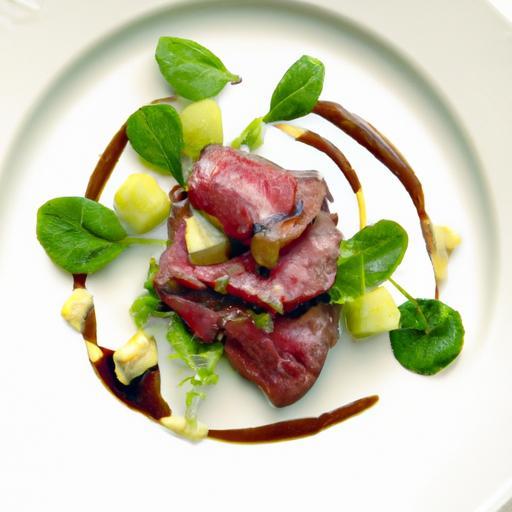
European Cooking Techniques celebrate centuries of flavors, traditions, and refinement. From delicate French reductions to rustic Italian craftsmanship, European Cooking Techniques define culinary mastery across the continent. Learning European Cooking Techniques reveals the secrets behind handmade pasta, golden pastries, and perfectly balanced herb infusions. True appreciation of European Cooking Techniques opens the door to cultural depth, technical precision, and flavor harmony. By studying European Cooking Techniques, home cooks gain confidence, creativity, and a deeper understanding of gastronomy rooted in history.
Mastering European Cooking Techniques requires practice, patience, and passion for authentic methods. European Cooking Techniques guide sauce emulsification, dough fermentation, and precise seasoning. Through European Cooking Techniques, classic tapas layering, traditional baking, and slow-simmered reductions become approachable. Dedicated exploration of European Cooking Techniques transforms everyday meals into refined experiences. Ultimately, European Cooking Techniques elevate skill, expand culinary knowledge, and preserve Europe’s rich gastronomic identity through timeless expertise.
Exploring Classic French Sauces and Their Timeless Applications
French cuisine is synonymous with its majestic sauces-often called the cornerstone of great cooking. Among these, the five “mother sauces” serve as the foundation for countless recipes, from silky béchamel to luscious velouté. Today,we’ll focus on mastering Sauce Velouté,a smooth,creamy sauce made from light stock and roux,showcasing French finesse and versatility.
Prep and Cook Time
- Preparation: 10 minutes
- Cooking: 20 minutes
- Total Time: 30 minutes
Yield
- About 2 cups (4 servings)
Difficulty Level
- Medium
Ingredients
- 3 tbsp unsalted butter
- 3 tbsp all-purpose flour, sifted
- 3 cups chicken or fish stock, warm
- Salt and white pepper, to taste
- Optional: 1 tsp lemon juice for brightness
Instructions
- Make a roux: In a heavy saucepan, melt the butter over medium heat.Once foaming, add the flour and whisk continuously for 2-3 minutes until smooth and pale golden; this develops its nutty flavor without browning.
- Gradually add stock: Slowly pour in the warm stock, whisking constantly to prevent lumps. Maintain a gentle simmer to allow the sauce to thicken.
- Simmer and refine: Cook for 15-20 minutes, stirring occasionally.Adjust seasoning with salt and white pepper. For a shining finish, stir in lemon juice just before serving.
- Strain if desired: For an ultra-smooth texture, pass the velouté through a fine-mesh sieve. Keep warm until ready to use.
Chef’s Notes
- Use homemade stock for deeper flavor; store-bought works but adjust seasoning accordingly.
- Velouté pairs beautifully with poultry, seafood, and vegetable dishes – try topping a sautéed chicken breast for a classic French touch.
- If the sauce is too thick, whisk in a bit more warm stock or water.
- Make ahead and reheat gently to avoid separation.
Serving suggestions
This velouté shines when poured over pan-seared cod or used as a base for mushroom sauce by adding sautéed wild mushrooms and a splash of cream. Garnish with freshly chopped chives or tarragon for a pop of vibrant colour and fresh aroma.

Unlocking the Secrets of Italian Pasta Craftsmanship
Authentic Italian pasta transforms simple ingredients into edible art. Crafting fresh pasta from scratch requires just flour, eggs, and a splash of passion. Discover the basics of making Tagliatelle al uovo, a rich egg pasta known for its delicate texture and perfect bite.
Prep and Cook Time
- Preparation: 15 minutes
- Resting: 30 minutes
- Cooking: 3 minutes
- total Time: 48 minutes
Yield
- 4 servings
Difficulty Level
- Medium
Ingredients
- 2 cups (250g) all-purpose flour, plus extra for dusting
- 3 large eggs, at room temperature
- Pinch of salt
Instructions
- Form the dough: On a clean surface, mound the flour and create a deep well in the center. crack the eggs into the well and add the pinch of salt.
- Incorporate eggs: Using a fork, beat the eggs gently, gradually folding in the flour from the edges until a sticky dough forms.
- Knead: Knead the dough vigorously for 8-10 minutes until smooth and elastic. Wrap in plastic wrap, resting at room temperature for 30 minutes.
- Roll and cut: Divide dough into quarters. Dust a section with flour, roll out thinly with a pasta machine or rolling pin. Fold gently and slice into ¼ inch (6mm) tagliatelle ribbons. Shake out strands to prevent sticking.
- Cook fresh pasta: Boil salted water; cook tagliatelle 2-3 minutes until al dente. Drain and pair with your favorite sauce.
Chef’s Notes
- Resting the dough hydrates the flour for better elasticity and easier rolling.
- Use a pasta drying rack or loosely coil strands to avoid clumping.
- Try incorporating spinach or beet juice into dough for colorful variations.
Serving Suggestions
Dress fresh tagliatelle with a simple brown butter and sage sauce for an elegant meal or pair with hearty ragù for genuine Italian comfort. sprinkle with freshly grated Parmigiano-Reggiano and cracked black pepper.
The Art of Spanish Tapas and Flavor Layering
Spanish tapas are a vibrant celebration of communal dining,showcasing bold flavor layering and textural contrasts. Let’s create a classic Patatas Bravas that captures the smoky spice and crisp-tender potatoes that make this dish a beloved staple in Spanish bars.
Prep and Cook Time
- Preparation: 15 minutes
- Frying and sauce making: 20 minutes
- Total Time: 35 minutes
Yield
- 4 servings (as a tapas dish)
Difficulty Level
- Easy to Medium
Ingredients
- 4 medium potatoes (Yukon Gold or Russet), peeled and cut into 1-inch cubes
- Vegetable oil, for frying
- Salt, to taste
- For the bravas sauce:
- 2 tbsp olive oil
- 1 small onion, finely chopped
- 2 cloves garlic, minced
- 1 tsp smoked paprika (pimentón)
- 1/2 tsp cayenne pepper (adjust to taste)
- 1 tbsp tomato paste
- 1 cup crushed tomatoes
- 1 tsp sherry vinegar
- Salt and sugar, to balance
Instructions
- Prepare potatoes: Rinse cut potatoes under cold water to remove excess starch. Pat dry thoroughly with paper towels.
- Double fry the potatoes: In a deep pot, heat oil to 320°F (160°C). Fry potatoes in batches for 5 minutes until tender but not browned. Remove and drain on paper towels.
- Increase oil temperature: raise heat to 375°F (190°C) and fry potatoes again for 2-3 minutes or until golden and crispy. Drain excess oil and salt instantly.
- Make the bravas sauce: Heat olive oil in a saucepan over medium heat.Sauté onion until translucent,about 5 minutes,then add garlic,smoked paprika,and cayenne. Cook for 1 minute, stirring constantly.
- Add tomato paste and crushed tomatoes: Stir and simmer for 10 minutes until thickened. Season with salt, a pinch of sugar, and sherry vinegar to balance acidity.
- Blend for smoothness: Optional: Use an immersion blender for a silky sauce. Keep warm.
- Serve immediately: Arrange potatoes on a platter, spoon the sauce generously over or serve on the side for dipping.
Chef’s Notes
- Double frying ensures a tender interior and crackling crust-don’t rush this process.
- Adjust cayenne and paprika amounts for a milder or spicier bravas sauce.
- For an authentic touch, pair these with aioli or garlic mayonnaise.
Serving Suggestions
Serve patatas bravas with a chilled glass of dry Spanish sherry or a crisp white wine. Garnish with fresh parsley or smoked paprika dust for vibrant presentation. Ideal as part of a tapas spread alongside olives, chorizo, and manchego cheese.
Mastering German Baking Traditions for Rich, Authentic Pastries
German bakeries enchant with rich, moist, and buttery pastries steeped in centuries of tradition. A must-try is the iconic Butter Streusel Kuchen, a tender yeast cake crowned with a crumbly, buttery streusel topping-comfort food elevated to art.
Prep and Cook Time
- Preparation: 20 minutes
- Rising time: 1.5 hours
- Baking time: 35 minutes
- Total Time: 2 hours 25 minutes
Yield
- 8 servings
Difficulty Level
- medium
Ingredients
- For the dough:
- 3 1/2 cups (440g) all-purpose flour
- 1 packet (7g) active dry yeast
- 1/2 cup (120ml) warm milk (110°F/43°C)
- 1/3 cup (65g) granulated sugar
- 1/2 cup (113g) unsalted butter, softened
- 2 large eggs
- 1 tsp vanilla extract
- 1/2 tsp salt
- For the streusel topping:
- 1 cup (130g) all-purpose flour
- 1/2 cup (100g) granulated sugar
- 1/2 cup (113g) cold unsalted butter, cubed
- 1 tsp ground cinnamon (optional)
Instructions
- Activate yeast: In a small bowl, combine warm milk, a pinch of sugar, and yeast.Let stand for 5-10 minutes until frothy.
- Make dough: In the bowl of a stand mixer, combine flour, sugar, and salt. Add yeast mixture, softened butter, eggs, and vanilla.Knead with dough hook for 8 minutes until smooth and elastic.
- First rise: Transfer dough to a greased bowl, cover with a towel, and allow to rise in a warm place for 1 to 1.5 hours,or until doubled in size.
- Prepare streusel topping: In a medium bowl, mix flour, sugar, and cinnamon. Cut in cold butter using your fingers or a pastry cutter until the mixture resembles coarse crumbs. Chill if the butter softens.
- Assemble cake: punch down dough and press into a greased 9×13-inch baking pan. Evenly sprinkle the streusel topping over the dough.
- Bake: In preheated oven at 350°F (175°C), bake for 30-35 minutes until golden brown and a toothpick inserted into the dough comes out clean.
- Cool and serve: Let cool in the pan for 15 minutes before slicing. serve warm or at room temperature.
Chef’s Notes
- For added decadence, layer thinly sliced apples or plums under the streusel.
- Use unsalted butter to control salt levels and ensure better consistency.
- This cake stores well for up to 3 days in an airtight container, or freeze slices individually.
Serving suggestions
Butter Streusel Kuchen is perfect with a cup of strong coffee or hot tea. Dust lightly with powdered sugar or serve with a dollop of whipped cream for extra indulgence.
| Nutrition Per Serving | Calories | Protein | Carbs | Fat |
|---|---|---|---|---|
| Butter Streusel Kuchen | 320 kcal | 5g | 45g | 12g |
| Tagliatelle al Uovo (100g cooked) | 130 kcal | 5g | 25g | 1.5g |
| Velouté Sauce (per ¼ cup) | 70 kcal | 3g | 5g | 4.5g |
| Patatas Bravas (per 100g) | 180 kcal | 2g | 20g | 9g |
For deeper dives into traditional European cooking, explore our Complete Guide to French Culinary arts. Enhance your cooking repertoire with trusted techniques and recipes from the heart of Europe.
Looking for expert advice on culinary history and science? Visit Le Cooking Academy for invaluable professional insights.
Q&A
Q&A: Mastering European Cooking Techniques – A Culinary Journey
Q1: What inspired the focus on European cooking techniques for this culinary journey?
A1: Europe is a mosaic of rich culinary traditions, each region offering unique flavors and time-honored techniques. From the delicate art of French sauce-making to the robust, hearth-fired techniques of Italy and the precision-driven pastry craft of Austria, mastering these techniques opens a gateway to understanding a continent’s culture through its kitchen. The journey celebrates diversity and craftsmanship, inviting cooks to explore beyond recipes and embrace the artistry behind every dish.
Q2: How can home cooks begin mastering these diverse techniques without being overwhelmed?
A2: Start small and savor the process.focus on one tradition or technique at a time-perhaps perfecting a classic French roux or learning to hand-roll Italian pasta. Understanding the fundamentals lays a strong foundation. Embrace patience, practice regularly, and don’t shy away from mistakes; they are as much a part of the journey as the flavors on your plate. Remember, mastering technique is about rhythm and feel as much as precision.
Q3: Which European cooking techniques are essential for every culinary enthusiast to know?
A3: While Europe’s culinary landscape is vast, a few core techniques stand out: sautéing with Mediterranean finesse; braising with Central European depth; emulsifying sauces like a French chef; baking artisan breads inspired by the Nordic countries; and delicate pastry-making honed in the Viennese tradition. These methods not only enhance flavor but teach balance, timing, and respect for ingredients.
Q4: How do European cooking techniques reflect the history and culture of their regions?
A4: European techniques are deeply intertwined with geography, climate, and history. Such as, the slow-cooked stews of the Balkans mirror a history of communal living and resourcefulness. The meticulous layering of Italian lasagna reflects family gatherings and regional pride. French culinary precision frequently enough arose from royal courts’ demand for perfection.Each method tells a story-about people,place,and the evolving relationship between land and table.
Q5: Can mastering European cooking techniques influence modern culinary innovation?
A5: Absolutely! Many contemporary chefs draw inspiration from traditional European methods, reinventing classics with new ingredients or plating styles. Understanding these techniques provides a toolkit of flavors, textures, and presentations to innovate confidently. When the foundations are solid, creativity flourishes-bringing old-world charm into modern cuisine with respect and flair.
Q6: What role do ingredients play in mastering European cooking techniques?
A6: Ingredients are the cornerstone. Fresh,seasonal,and regionally inspired produce elevate every technique. European cooking often celebrates natural flavors rather than masking them,so sourcing quality ingredients is crucial. Whether it’s fragrant herbs from Provence or olive oil from Tuscany,these elements interact with technique to create authentic,vibrant dishes.
Q7: How can one document their progress on this culinary journey?
A7: Keep a culinary journal filled with notes on each technique practiced, tasting observations, and personal reflections. Photograph your dishes and note what worked or needs improvement. This evolving record not only charts growth but deepens appreciation for craft. Sharing your journey through blogs or social media can connect you with fellow enthusiasts, sparking exchange and inspiration.
Q8: What’s the ultimate reward in mastering European cooking techniques?
A8: Beyond delicious meals, it’s the confidence and connection gained-the ability to read a recipe like a story and translate it into a sensory experience. It’s about bridging cultures, preserving heritage, and creating memories through food. Mastery transforms cooking from chore to celebration-a lifelong culinary voyage that nourishes both body and soul.
Key Takeaways
As we close this culinary journey through the heart of Europe,remember that mastering these time-honored techniques is more than just replicating recipes-it’s about embracing a rich tapestry of culture,history,and passion folded into every dish. From the delicate folds of French pâte à choux to the robust sear of Italian bistecca alla fiorentina, each method invites you to connect with the soul of the continent’s kitchens. So, don your apron with confidence, sharpen your knife, and let the rhythms of European cooking guide you-becuase true mastery comes not only from knowledge but from the joy of creating and savoring every bite along the way. Bon appétit, buon appetito, and auf wiedersehen to culinary limits!