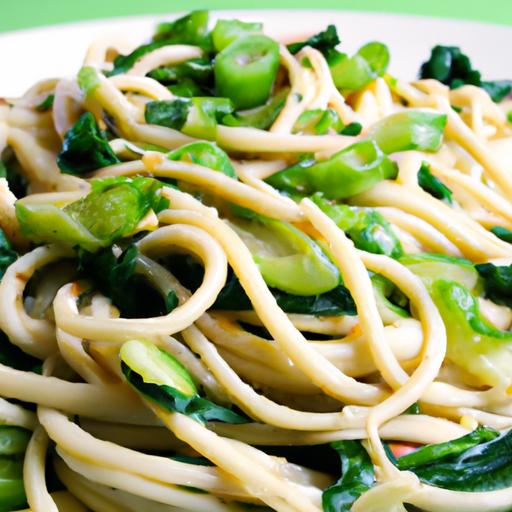
Beneath the bustling streets and neon lights of Shanghai lies a culinary gem that has quietly captured the hearts and taste buds of locals and food enthusiasts alike: Shanghai scallion noodles. Often overshadowed by the city’s famous xiaolongbao and vibrant street food scene, these humble noodles weave a story of tradition, simplicity, and unmatched flavor. in this article, we embark on a flavorful journey to unveil the savory secrets of Shanghai scallion noodles-exploring their rich history, distinctive preparation, and the subtle yet profound harmony of ingredients that make this dish a timeless classic. Prepare to dive fork-first into a world where fragrant scallions and perfectly chewy noodles create a symphony of taste that is as comforting as it is captivating.
Savory Secrets of Shanghai Scallion Noodles Unveiled
Savory secrets of Shanghai scallion noodles unveil a world where humble ingredients combine to create an unforgettable dish that celebrates tradition and texture.Rooted deeply in Shanghai’s culinary heritage, this beloved noodle dish embodies simplicity and flavor in perfect harmony, making it a staple comfort food in many homes across China.
Origins and Cultural Significance of Shanghai scallion Noodles
Shanghai scallion noodles, or cong you ban mian, originated as a practical, family-kind meal in the bustling metropolis of Shanghai, where wheat flour is a staple grain. Traditionally crafted by hand, these noodles have long offered a swift yet comforting meal adored by locals-its reputation for bringing families together around the dinner table speaks volumes to its cultural significance.The dish is not just nourishment; it is a moment of warmth during the hectic urban pace, a soulful bite linking generations.
The dish highlights the importance of scallions in Chinese cooking, which symbolize vitality and refreshment. Paired with the subtly chewy noodles, Shanghai scallion noodles encapsulate the balance of textures and flavors that Chinese cuisine is revered for.Today, this culinary treasure transcends borders, capturing hearts worldwide.
Prep and Cook Time
- Preparation Time: 15 minutes
- Cooking Time: 15 minutes
- Total Time: 30 minutes
Yield
- Serves 2-3 hungry diners
Difficulty Level
- Medium – mastering noodle texture requires attention but is approachable for home cooks
Ingredients
- 1 cup all-purpose flour, sifted
- 1/3 cup warm water (about 110°F/43°C)
- 1/2 tsp salt
- 6 large scallions, trimmed and finely sliced
- 3 tbsp vegetable oil (preferably neutral like peanut or canola)
- 1 tbsp light soy sauce
- 1 tsp sesame oil
- 1 tsp sugar
- 1/4 tsp white pepper
- Optional: 1 tsp finely minced fresh ginger for added aromatic depth
Mastering the Perfect Noodle Texture for Authentic Flavor
Achieving the iconic chewy yet tender texture of Shanghai scallion noodles begins with mixing the dough just right-neither too dry nor overly sticky. Use lukewarm water to activate the gluten gently, then knead for about 10 minutes until smooth and elastic. This careful kneading builds the dough’s structure, leading to that pleasantly satisfying bite that distinguishes authentic scallion noodles from ordinary pasta.
Resting the dough for at least 30 minutes is critical; this allows gluten to relax, making rolling and cutting easier, and preventing noodles from being dense. To replicate Shanghai’s conventional pull noodles at home, slice the dough thinly but with a bit of thickness retained so they can soak up the scallion-infused oil without collapsing.
The Role of Scallions and Aromatics in Elevating the Dish
The secret to this dish lies in the treatment of the scallions and aromatics. Fresh,vibrantly green scallions are fried gently in oil until fragrant and just turning golden-this releases their natural sugars,infusing the oil with a sweet,aromatic flavor base pivotal to the dish’s signature taste. Combining the scallion oil with light soy sauce and a touch of sesame oil layers savory umami with subtle nuttiness. White pepper offers a gentle warmth without overwhelming the fresh scallion fragrance.
In many modern twists, adding a little fresh ginger or even a small amount of garlic enhances complexity, yet purists insist that keeping the focus on scallion oil preserves authenticity-this delicate balance is what makes the dish truly shine.
Expert Tips for Crafting the Ultimate Shanghai Scallion Noodles at Home
- Prepare fresh dough: Use good quality all-purpose flour and warm water for the dough. Knead well then let it rest wrapped in plastic to retain moisture-this will help you roll noodles easily without tearing.
- Roll and slice carefully: Roll to about 1/8 inch thickness, then slice into 1/4 inch-wide strips. Dust with flour to prevent sticking.
- Cook noodles al dente: Boil in plenty of salted water until just tender, usually 2-3 minutes. drain immediately to avoid sogginess.
- Prepare scallion oil: Heat oil gently over medium heat, add scallions, and sauté until luminous green and slightly golden, about 3-5 minutes. avoid burning for a mellow sweetness.
- Combine mindfully: Toss cooked noodles in scallion oil immediately, then add soy, sesame oil, sugar, and white pepper. Stir quickly to coat noodles evenly so the heat intensifies flavors.
- Serve immediately: For best experience, plate noodles warm and garnish lightly with fresh scallion slices or toasted sesame seeds for added texture.
Chef’s Notes and Tips for Success
- Ingredient swaps: Try whole wheat flour for a nuttier flavor or use homemade pulled noodles for a rustic touch.
- Make ahead: Dough can be refrigerated wrapped in plastic for up to 24 hours; let it come to room temperature before rolling.
- Struggling with sticky noodles? Dust liberally with flour during rolling and slicing to make handling easier.
- Adjust scallion amount: Feel free to add more scallions for an even bolder fragrance; just ensure enough oil to sauté properly.
- Avoid overcooking: Noodles should bounce back gently to touch, soaking up sauce without becoming mushy.
Serving Suggestions
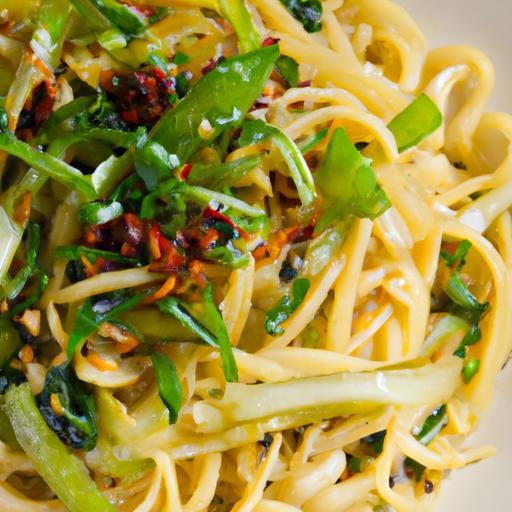
This dish shines as a standalone comfort meal or pairs beautifully with steamed greens like bok choy or sautéed Chinese broccoli. For a heartier option, top with soft boiled eggs, crispy tofu cubes, or a drizzle of chili oil for those who crave heat. Present on a simple white plate to highlight the noodles’ glossy sheen and vibrant green scallions-this contrast is visually inviting and appetizing.

Nutritional Information (per serving)
| Calories | Protein | Carbohydrates | Fat |
|---|---|---|---|
| 320 kcal | 8 g | 55 g | 7 g |
For a deeper dive into Chinese noodle traditions, check out our guide to authentic hand-pulled noodles. To explore the rich culinary history of Shanghai, the Encyclopaedia Britannica’s Shanghai entry offers insightful context.
Q&A
Q&A: Savory Secrets of Shanghai Scallion Noodles Unveiled
Q1: What exactly are Shanghai scallion noodles?
A1: Shanghai scallion noodles, or “Cong You Ban Mian,” are a beloved staple from Shanghai’s bustling streets-simple yet deeply flavorful. Picture al dente wheat noodles tossed in fragrant, sizzling scallion oil, kissed by soy sauce, and finished with a hint of toasted scallions.it’s comfort food elevated by its aromatic, savory punch.
Q2: how did these noodles become such an iconic dish in Shanghai?
A2: The origins trace back to humble kitchens where cooks maximized minimal ingredients. Scallions were abundant and aromatic, soy sauce plentiful, and fresh noodles readily available. This blend of accessibility and bold flavor struck a chord with locals, turning a practical meal into a citywide culinary symbol.
Q3: What’s the secret behind the perfect scallion oil?
A3: Here’s the magic: gently heating oil until shimmering, then infusing it with thickly sliced scallions, slow-frying them until golden and fragrant-but never burnt.This process releases the scallions’ essential oils, creating a rich, nutty syrup that wraps around each strand of noodle.
Q4: Can you describe the flavor profile of shanghai scallion noodles?
A4: Imagine a synergistic dance-savory and slightly sweet soy sauce, the warm, sharp brightness of scallions, and the deep, toasty notes from the oil. The noodles themselves, with their chewy bite, soak up these elements, resulting in a dish that’s comforting, punchy, and utterly addictive.
Q5: Are there variations to this classic recipe?
A5: Absolutely! While the traditional version sticks to scallion oil and soy sauce, some modern takes add garlic, chili flakes, or a splash of vinegar for extra depth. Others fold in crunchy peanuts or steamed vegetables.But at its core, it’s the scallion oil that steals the show every time.
Q6: How can home cooks replicate this dish authentically?
A6: Start with fresh, alkaline noodles if possible-they provide that perfect chew. Use neutral oil like canola or peanut,heated just right for infusing scallions slowly. Don’t rush the scallion oil step! Finish by mixing noodles vigorously with the fragrant oil and a splash of soy sauce. Simple technique, big payoff.
Q7: Why do Shanghai scallion noodles hold such cultural significance?
A7: Beyond taste, they embody resourcefulness and tradition-showcasing how modest ingredients can create culinary poetry. they’re a taste of Shanghai’s history, its street food culture, and its people’s love for bold, honest flavors. Eating a bowl connects you to generations of home cooks and city wanderers alike.
Q8: Where should one go in Shanghai to experience the best scallion noodles?
A8: Venture into small, tucked-away noodle shops in the old city districts or bustling neighborhoods like Jing’an and Huangpu. These family-run stalls have perfected the craft over decades, serving up steaming bowls of scallion noodles that capture the soul of Shanghai’s everyday flavors.
Unlock these savory secrets, and you’ll find that Shanghai scallion noodles are more than just a meal-they’re an edible love letter to the city’s culinary heart.
Wrapping Up
As the aromatic allure of Shanghai scallion noodles lingers on your palate, the layers of history and technique behind this humble dish come into focus. More than just a comforting bowl of noodles, it’s a culinary tapestry woven from fragrant scallions, silky dough, and the bustling streets of Shanghai itself. By unraveling its savory secrets, we not only savor a recipe but also taste a vibrant culture steeped in tradition and innovation. So next time you twirl those glossy strands, remember-you’re indulging in a story that’s as rich and timeless as the scallions that crown it.