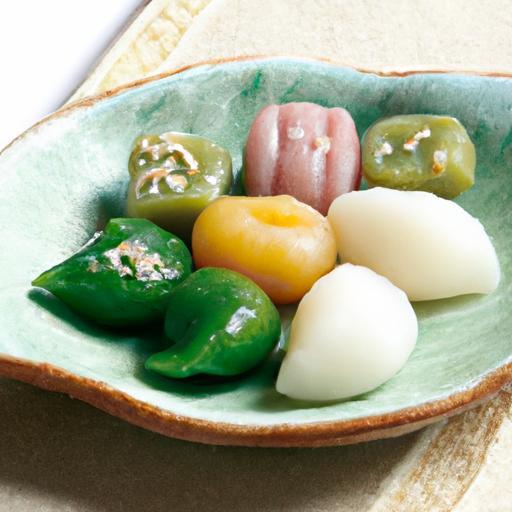
As the crisp autumn breeze whispers through the amber-hued fields of korea, homes come alive with the warm, nostalgic aroma of freshly crafted songpyeon. These delicate half-moon rice cakes, steamed to tender perfection atop fragrant pine needles, are more than just a sweet treat-they are edible threads weaving together generations of tradition, family, and gratitude during Chuseok, the harvest moon festival. Crafting perfect songpyeon is both an art and a heartfelt ritual, where the simple ingredients of rice flour, natural fillings, and a patient hand transform into bite-sized celebrations of Korean heritage. In this article, we’ll guide you through the time-honored steps of making songpyeon, unlocking the secrets to creating these shimmering gems that embody the spirit of Chuseok.
Crafting perfect Songpyeon: Conventional Chuseok Rice Cake Recipe
Crafting perfect songpyeon is an art passed down through generations, embodying the warmth and gratitude of Chuseok, Korea’s cherished harvest festival. This traditional rice cake, with its delicate half-moon shape and subtly sweet fillings, tells a story of family, seasonality, and celebration. Using authentic ingredients and time-honored techniques, you’ll create tender, flavorful songpyeon that invites both nostalgia and delight.
Prep and Cook Time
- Preparation: 40 minutes
- Resting dough: 20 minutes
- Shaping & Filling: 45 minutes
- Steaming: 20 minutes
- Total Time: 2 hours 5 minutes
Yield
Makes approx. 30 songpyeon (serves 6)
Difficulty Level
Medium – Requires precision with dough texture and gentle steaming techniques
Ingredients
- 1 ½ cups short-grain white rice flour, sifted
- ½ cup sweet rice flour (glutinous rice flour), sifted
- ¾ cup boiling water
- 1 tbsp sesame oil (plus extra for brushing)
- For fillings (choose one or mix):
- 1/3 cup toasted sesame seeds, ground finely
- 2 tbsp honey or brown sugar
- ½ cup crushed chestnuts, lightly sweetened
- ¼ cup sweetened red bean paste (anko)
- ¼ cup chopped walnuts mixed with cinnamon and sugar
- Kudzu or pine needles (for steaming, optional for aroma)
- Extra sesame oil for coating post-steaming
Instructions
- Prepare the dough: Gradually pour boiling water into the combined white rice flour and sweet rice flour inside a large bowl, stirring continuously with a wooden spoon until the mixture begins to come together into a rough dough. this step cooks the starch slightly for that supple chew.
- Knead the dough on a clean surface while warm, adding sesame oil and kneading for about 5 minutes until soft and pliable but not sticky. Cover with a damp cloth and let it rest for 20 minutes to hydrate fully.
- Prepare fillings: For the classic sesame seed filling, toast sesame seeds until golden and fragrant, grind them finely, and mix in honey or brown sugar. For nuts or red bean paste, ensure they are sweetened and finely chopped or mashed for smoothness.
- Divide the dough into small, equal-sized balls (about 20-25 grams each) and flatten into thin ovals approximately 3 inches long.
- Fill each oval: Place about 1 teaspoon of your chosen filling at the center,then fold the dough over to create a half-moon shape. Use your fingers to gently pinch and seal the edges tightly,ensuring no filling escapes during steaming.
- Prepare your steamer: Line the steamer basket with pine needles or a clean, damp cheesecloth to prevent sticking and infuse subtle aroma.
- Arrange songpyeon in the steamer without overcrowding, brush the tops lightly with sesame oil to maintain sheen and flavor.
- Steam over boiling water for 15-20 minutes. The rice cakes will turn slightly translucent and firm to the touch but remain tender inside.
- Remove carefully, then promptly brush with more sesame oil to keep the surface glossy and prevent dryness.
Mastering the Art of Dough Preparation for Ideal Texture and Flavor
Achieving the iconic texture of songpyeon-the perfect balance between chewiness and tenderness-starts with the dough. The mix of short-grain and sweet rice flour is essential; the former provides structure while the latter contributes to elasticity. The trick lies in pouring boiling water slowly to ‘cook’ the flour while stirring,then kneading just enough to bring it together without overworking. Always rest the dough to hydrate the starch thoroughly-this step makes a huge difference in the final bite.
filling Inspirations and Techniques to elevate Your Songpyeon
From nutty sesame seeds to sweet red bean paste, fillings add bursts of flavor and tradition. To enhance the nuttiness, toast sesame seeds until golden and fragrant before grinding. Sweeteners like honey or brown sugar enrich the filling naturally without overpowering. For a seasonal twist, roasted chestnuts or walnuts offer comforting warmth.Remember to finely grind or mash fillings for smooth sealing, and don’t overfill to avoid fuss during wrapping.
Steaming Secrets and Presentation Tips for a Perfect Chuseok Delight
steaming is where the magic happens. Using pine needles not only helps prevent sticking but subtly perfumes the rice cakes, elevating the sensory experience. Be mindful not to overcrowd your steamer to allow even heat circulation. Freshly steamed songpyeon have a delicate sheen – brushing with sesame oil post-steaming adds shine and prevents the cakes from drying out. For an inviting presentation, stack your songpyeon gently on a wooden platter or traditional Korean brassware, garnished with a sprig of pine needles or edible chrysanthemum petals for authentic seasonal ambiance.
Chef’s Notes and Tips for Success
- Use freshly roasted sesame seeds for the most aromatic fillings.
- Ensure dough consistency is soft but not sticky-dust with a touch of flour if too wet.
- Warm water slightly (just off boil) to avoid scalding the flour too much if preferred for softer texture.
- Make-ahead tip: Form songpyeon and freeze on baking trays separated by parchment, then steam directly from frozen adding 2-3 minutes to cooking time.
- Practice folding; half-moons can be sealed by pinching or lightly pressing with a patterned mold or songpyeon press.
Serving Suggestions
Serve songpyeon warm or at room temperature with a small drizzle of sesame oil. Accompany with traditional barley tea or sweet rice punch (sikhye) for a truly immersive Chuseok experience. Sprinkle with toasted sesame seeds or finely chopped pine nuts for texture contrast. display on colorful Korean ceramics or wooden trays with seasonal garnishes like persimmon slices or pine needles for festive beauty.

| Nutrient | Per Serving (5 pcs) |
|---|---|
| Calories | 210 kcal |
| Protein | 4 g |
| Carbohydrates | 42 g |
| Fat | 3.5 g |
For a deeper dive into Korean rice cake traditions, check out our Korean Rice Cakes History and Variations. Discover more about rice flour and its traditional uses at the National Korean food Culture Foundation.
Q&A
Q&A: Crafting Perfect songpyeon – Traditional Chuseok Rice Cake Recipe
Q1: What is Songpyeon and why is it meaningful during Chuseok?
A: Songpyeon is a traditional Korean rice cake, beautifully crescent-shaped and often filled with sweet fillings like sesame seeds, red bean paste, or chestnuts. It’s a centerpiece of Chuseok, Korea’s harvest festival, symbolizing gratitude for the year’s bounty and hopes for a prosperous future. making and sharing songpyeon is a cherished ritual that connects families and generations.
Q2: What makes Songpyeon different from other rice cakes?
A: Unlike steamed or pounded rice cakes, songpyeon is carefully shaped by hand and steamed over aromatic pine needles, which impart a subtle, natural fragrance and prevent sticking. Its half-moon shape is said to represent rebirth and prosperity, distinguishing it visually and culturally.
Q3: What are the essential ingredients for perfect Songpyeon?
A: The base is fine rice flour (preferably freshly ground for softness), mixed with warm water until it forms a pliable dough. For fillings, popular choices include sweetened sesame seeds, crushed chestnuts, red bean paste, or honeyed mung beans. Pine needles are key for the steaming process, lending flavor and tradition.
Q4: How do I prepare the dough to ensure it’s soft and pliable?
A: Gradually add warm water to the rice flour, kneading gently until the dough holds together without being sticky. It should be smooth and elastic but firm enough to shape. Avoid overwatering; a slightly dry dough is easier to handle and won’t tear when filled.
Q5: Any tips for shaping Songpyeon into the perfect crescent?
A: Pinch off a small ball, flatten it into a disc, place a small spoonful of filling in the center, fold it over gently, and press the edges together tightly. Then, shape it into a crescent by curving the sealed dough slightly with your fingers. Practice is key-your fingertips will soon recognize the right pressure and shape.
Q6: Why are pine needles used in steaming Songpyeon?
A: Pine needles serve a dual purpose: their natural aroma infuses the rice cakes with a delicate fragrance, and their texture prevents the sticky dough from adhering to the steamer.If pine needles aren’t available, banana leaves or lotus leaves can be a fragrant alternative.
Q7: How long should I steam the Songpyeon?
A: Steam the rice cakes over boiling water for about 20 to 30 minutes. The dough turns slightly translucent when done. Avoid over-steaming, which can make them too soft and lose shape.
Q8: Can Songpyeon be made ahead of time?
A: It’s best enjoyed fresh for maximum softness and fragrance. However, if needed, store them in an airtight container and gently steam again before serving to restore their tender texture.
Q9: Are there modern twists to the traditional Songpyeon recipe?
A: Absolutely! While classic fillings remain beloved, creative variations include chocolate, fruit jams, or even savory options like seasoned vegetables. Coloring the dough with natural ingredients like mugwort, pumpkin, or beetroot adds festive flair without losing tradition.
Q10: What is the cultural meaning behind making Songpyeon with family?
A: Crafting songpyeon together embodies unity, respect, and hope.Each family member contributes their handiwork, symbolizing collective wishes for health and happiness. It’s not just a recipe-it’s a bonding experience,preserving heritage through hands and hearts during the warm embrace of Chuseok.
Ready to roll up your sleeves and join the songpyeon-making tradition? Embrace the tactile joy of rice flour, the sweet surprise of fillings, and the fragrant steam of pine needles-each bite tells a story of gratitude and togetherness. Happy Chuseok!
The Way Forward
As the sweet aroma of steaming rice cakes fills your kitchen and the vibrant hues of pine needles and sesame seeds come together in perfect harmony, you’ll realize that crafting songpyeon is more than just a recipe-it’s a cherished ritual steeped in tradition and love. Each bite carries the essence of Chuseok’s spirit, a celebration of gratitude, family, and the changing seasons. So,whether you’re gathering around the table with loved ones or simply savoring a moment of cultural connection,your homemade songpyeon is a delicious link to Korea’s rich heritage. Embrace the artistry, relish the flavors, and let this timeless treat bring warmth and meaning to your festive celebrations year after year.