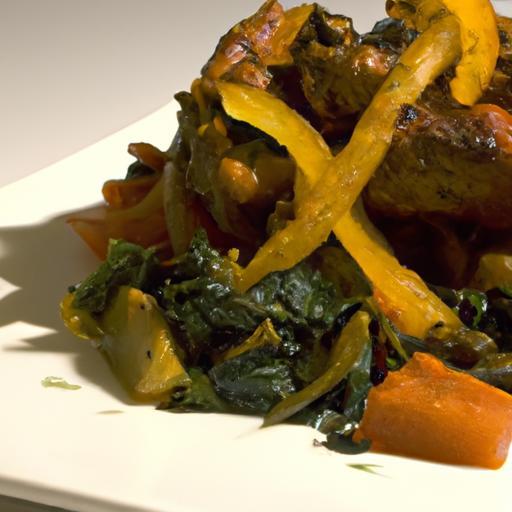
Step into a world where every pinch tells a story, where vibrant aromas dance through bustling markets, and where ancient traditions infuse each dish with soul. North African cuisine is a flavorful tapestry woven from the rich heritage of its spices-fragrant, bold, and bursting with character. In this guide, we’ll unlock the secrets behind the essential spices that define the region’s vibrant culinary landscape, revealing how these golden treasures transform ordinary ingredients into extraordinary experiences. Whether you’re a curious foodie or an adventurous cook, prepare to embark on a sensory journey that will elevate your cooking and deepen your recognition for the magic of North African flavors.
Unlocking flavors starts with understanding the intricate symphony of spices that define North African cuisine.The warmth of cumin, the floral sweetness of coriander, and the fiery hint of harissa come together in masterful blends crafted over centuries. Each spice tells a story – from bustling Moroccan souks to the sun-drenched Algerian coasts - inviting home cooks to infuse their dishes with authentic depth and allure.
Prep and Cook Time
Prep: 15 minutes | Cook: 25 minutes | Total: 40 minutes
Yield
serves 4 people
Difficulty Level
Medium
Ingredients
- 2 teaspoons ground cumin – warm and earthy
- 1 ½ teaspoons ground coriander – citrusy and floral
- 1 teaspoon smoked paprika – adds smoky depth
- ½ teaspoon ground cinnamon – subtle sweetness that rounds flavors
- ½ teaspoon ground ginger – zesty warmth
- ¼ teaspoon cayenne pepper – for gentle heat
- 1 teaspoon turmeric – golden hue and mild bitterness
- 1 tablespoon olive oil – to bind and bloom spices
- 1 small onion, finely chopped – base for sauté
- 3 garlic cloves, minced – aromatic punch
- 400g diced tomatoes (fresh or canned)
- 1 cup vegetable or chicken broth – depth and moisture
- Salt and freshly ground black pepper – to taste
- Fresh cilantro or parsley for garnish
Instructions
- Warm the olive oil in a large skillet over medium heat. Add the finely chopped onion and sauté until translucent and golden, about 5 minutes, stirring frequently to prevent browning.
- Add the minced garlic and cook for an additional 1 minute,until fragrant.
- Tip: To maximize flavor, add all the ground spices now and toast gently with the onion and garlic mixture for 1-2 minutes. This “blooming” technique unlocks their aromatic oils.
- Stir in the diced tomatoes and broth, scraping up any browned bits from the pan’s base to enrich the sauce.
- Season with salt and pepper, then reduce heat to low.Cover and simmer for 15-20 minutes, allowing the flavors to meld and the sauce to thicken slightly.
- Adjust seasoning, adding cayenne for extra heat if desired. Remove from heat and sprinkle fresh cilantro or parsley over the top.
- Serving tip: Spoon generously over couscous, grilled vegetables, or roasted chicken for a vividly spiced main course bursting with North African soul.
Tips for success
- Experiment with pre-made North African spice blends like Ras el Hanout or Baharat to swap or enhance the individual spices.
- Freshly ground spices will elevate the dish far beyond store-bought powders. Invest in a small spice grinder for best results.
- For a smoky twist, incorporate a teaspoon of preserved lemon zest or a pinch of saffron threads soaked briefly in warm water.
- This sauce can be prepared ahead of time and refrigerated for up to 3 days; reheat gently to preserve fragrance.
- If fresh cilantro or parsley is unavailable, a dash of dried herbs can substitute, but add towards the end to retain aroma.
Serving suggestions
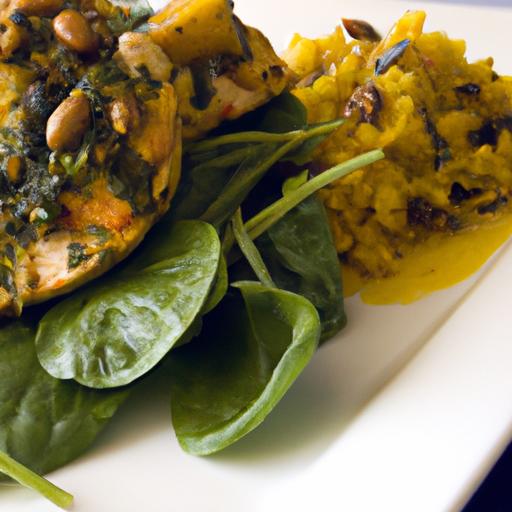
Plate this fragrant sauce atop fluffy couscous or roasted root vegetables, then garnish with toasted slivered almonds and a drizzle of cooling plain yogurt. for a vibrant display, scatter pomegranate arils or chopped olives to contrast the richness. Accompanied by warm flatbread or crusty baguette, this dish embodies the vivacious spirit of North Africa on your dining table.
| Nutrient | Per Serving |
|---|---|
| Calories | 180 kcal |
| Protein | 4 g |
| Carbohydrates | 22 g |
| Fat | 8 g |

Discover more about the depth of Moroccan spice blends to diversify your pantry. For scientific insight into the health benefits of these spices, consult this study at NCBI.
Q&A
Q&A: Unlocking Flavors - A Guide to Essential North african Spices
Q1: What makes North African spices unique compared to other regional spices?
A: North African spices are a vibrant tapestry of history, geography, and culture woven into every pinch. Unlike spices used elsewhere, they blend earthy warmth with floral notes, tangy zest, and fiery heat, creating complex and layered flavor profiles. This fusion reflects the crossroads of the Mediterranean, Sahara, and Arabian influences, resulting in spices that evoke both ancient trade routes and rich culinary traditions.
Q2: Which spices are considered essential in North African cooking?
A: The star players include cumin, coriander, saffron, cinnamon, turmeric, and smoked paprika, but there’s more! Ras el Hanout-a magical, fragrant blend often including cardamom, clove, nutmeg, and dried rosebuds-is a cornerstone. Harissa, a fiery chili paste, taps into the region’s love for heat, while preserved lemons impart tangy brightness that’s uniquely North African.
Q3: how does ras el Hanout elevate a dish?
A: Ras el Hanout, literally meaning “head of the shop,” is a bespoke concoction crafted from the finest spices a vendor can offer. Each version varies, but the complexity remains: warming, sweet, and spicy layers that unlock the depth of stews, couscous, and grilled meats. A sprinkle of Ras el Hanout can transform simple ingredients into sensory journeys, evoking bustling Moroccan souks with every bite.
Q4: Can you recommend a simple way to start using these spices at home?
A: Absolutely! Begin by experimenting with cumin and coriander-they’re versatile and pleasant for newcomers. Toast whole seeds lightly in a dry pan to awaken their oils before grinding or adding directly to dishes. Try a basic tagine-inspired recipe: simmer vegetables and chicken with onions, garlic, cumin, turmeric, and a dash of cinnamon. Finish with a squeeze of preserved lemon juice and fresh herbs for instant authenticity.
Q5: How do preserved lemons influence North African cuisine?
A: Preserved lemons are a revelation-salted and sun-cured, they soften and develop a deep, mellow citrus tang far beyond fresh lemons. They add an umami-rich zing to dishes, balancing rich meats and earthy pulses. their bright complexity cuts through hearty stews, dazzling the palate with bursts of savory brilliance.
Q6: What role does harissa play in North African dishes?
A: Harissa is the fiery heartbeat of North African spice culture-made from roasted red chilies, garlic, and aromatic spices, it’s a versatile condiment and marinade booster.Whether stirred into soups, slathered on grilled fish, or dolloped onto couscous, harissa infuses dishes with smoky heat and lively depth, embodying the region’s passionate culinary spirit.
Q7: Are there any tips for sourcing and storing North African spices?
A: Freshness is key! Purchase whole spices when possible and grind them just before use to preserve their vibrant aromas. Look for reputable spice vendors or specialty stores that source from North Africa for authenticity. Store spices in airtight containers, away from light and heat, to keep their magic alive longer.
Q8: How do these spices contribute to health and wellness?
A: beyond flavor, many North African spices bring potent health benefits. Turmeric boasts anti-inflammatory powers, cinnamon helps regulate blood sugar, and cumin aids digestion. Together, they not onyl tantalize taste buds but also support holistic wellness-a spice cabinet and medicine chest rolled into one.
Q9: Can North African spices be used beyond traditional dishes?
A: Definitely! Their bold and nuanced profiles make them exciting partners in fusion cuisine. Sprinkle Ras el Hanout over roasted vegetables,blend harissa into mayonnaise for a spicy sandwich spread,or add cinnamon and saffron to desserts for exotic flair. The possibilities are as boundless as your culinary imagination.
Q10: What’s the best way to immerse oneself in North African spice culture?
A: Start cooking! Explore recipes from Morocco, Tunisia, and Algeria, attend spice markets if you can, or even create your own spice blends at home. Each step reveals stories and secrets held within the dust of these vibrant powders. Unlocking their flavors unlocks a passage to the soul of north Africa’s culinary heritage.
Future Outlook
As the final grains of these vibrant North African spices settle on your palate, remember that each pinch carries centuries of tradition, stories, and culture. Unlocking these flavors is more than just seasoning a dish-it’s an invitation to explore a world where aroma and taste weave together to create unforgettable culinary experiences. Whether you’re stirring a fragrant tagine or sprinkling a touch of ras el hanout onto roasted vegetables, let these essential spices be your guide on a delicious journey through North Africa’s rich and diverse heritage. embrace the adventure in every sprinkle, and awaken your kitchen to the magic waiting within these timeless flavors.