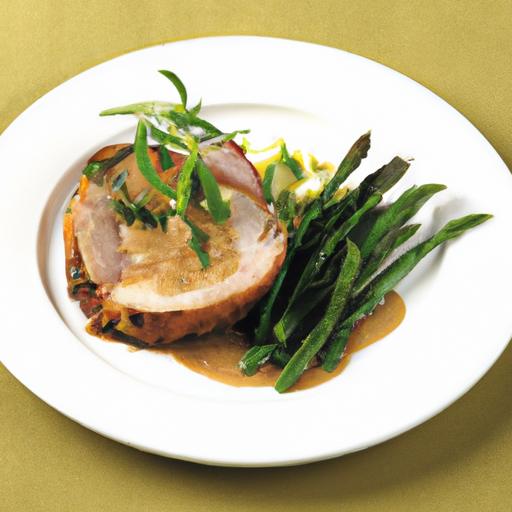

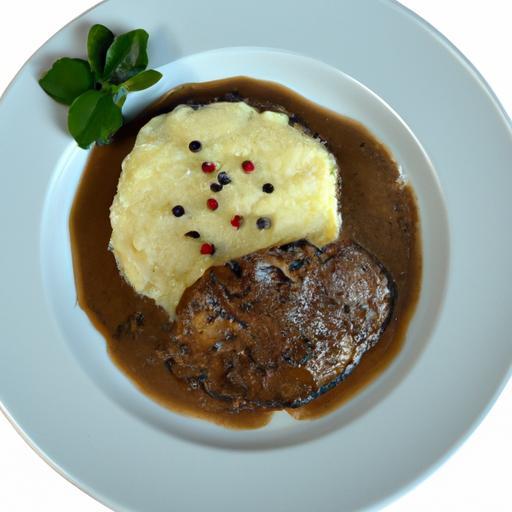
Europe’s culinary landscape is a rich tapestry woven with centuries of tradition, culture, and innovation. At the heart of this gastronomic journey lie it’s classic sauces-each a flavorful story in its own right,crafted meticulously to elevate dishes from simple to sublime. from the delicate hollandaise of France to the robust marinara of Italy, these sauces are more than just accompaniments; thay are the vibrant soul of European cuisine. In this article, we invite you to savor europe through a flavorful journey that explores the origins, ingredients, and timeless appeal of its most beloved sauces-revealing how a simple drizzle can transform a meal and captivate the senses.
Savor Europe: A Flavorful Journey Through Classic Sauces invites you to unlock the secrets of Europe’s most beloved sauces – each a testament to centuries of culinary evolution and regional pride. From the buttery richness of a French Béarnaise to the vibrant punch of an Italian Pesto Genovese, mastering these sauces will transform your dishes into authentic European experiences. In this section, we dive deep into conventional techniques, surprising regional twists, and expert pairing advice to elevate your cooking repertoire.
Prep and Cook Time
- Preparation: 15 minutes
- Cooking: 20-30 minutes (varies by sauce)
- Total Time: 35-45 minutes
Yield
- Makes approximately 1 to 1 ½ cups (serves 4-6)
Difficulty Level
- Medium – requires moderate technique but rewarding results
Classic french Hollandaise Sauce
- 3 large egg yolks
- 1 tablespoon lemon juice, freshly squeezed
- ½ cup unsalted butter (1 stick), melted and hot
- Pinch of cayenne pepper
- Salt to taste
- Whisk the egg yolks and lemon juice vigorously in a stainless steel bowl until the mixture lightens in color and thickens slightly.
- Set the bowl over a pot of gently simmering water (double boiler method). Ensure the bowl does not touch the water to avoid curdling.
- Slowly drizzle in the hot melted butter while continuously whisking to emulsify.
- continue whisking until the sauce is thick and glossy,about 5-7 minutes; remove from heat.
- Season with a pinch of cayenne pepper and salt to taste.
Chef’s Notes
- Tip: Keep constant whisking to prevent the sauce from splitting.
- Variation: Add fresh tarragon and shallots for an authentic Béarnaise variation.
- Make-ahead: Hollandaise is best served fresh, but can be kept warm in a thermos or double boiler for up to 30 minutes.
Serving Suggestions
Drizzle this velvety Hollandaise over steamed asparagus, perfectly poached eggs, or tender slices of grilled salmon. Garnish with a sprig of fresh dill or a light dusting of paprika to enhance vibrancy and depth.
Pesto Genovese: Italy’s Vibrant Green Treasure
- 2 cups fresh basil leaves, packed
- ¼ cup pine nuts, lightly toasted
- 2 cloves garlic, minced
- ½ cup extra virgin olive oil
- ½ cup freshly grated Parmigiano-Reggiano
- Salt and freshly ground black pepper, to taste
- In a food processor, pulse basil, pine nuts, and garlic until finely chopped.
- Slowly pour in olive oil while pulsing to combine into a smooth, vibrant green paste.
- Transfer to a bowl and stir in Parmigiano-reggiano cheese until fully incorporated.
- Season with salt and pepper, adjusting to your taste.
Chef’s Notes
- Use the freshest basil for the brightest flavour and greenest color.
- Substitute walnuts or almonds for pine nuts for economical or unique twists.
- Store leftover pesto in an airtight container with a drizzle of olive oil on top to prevent browning.
Serving Suggestions
Mix this aromatic pesto through al dente pasta, spread over toasted crostini, or dollop atop creamy burrata and heirloom tomatoes for an authentic Italian antipasto.
Mastering Pairings: Enhance Your Authentic Culinary Experience
Understanding the harmony between sauces and dishes is key to an authentic European culinary experience. Light, oil-based sauces like Pesto Genovese pair beautifully with fresh vegetables and seafood, while rich emulsions like Hollandaise complement eggs and delicate proteins. For a daring twist, explore regional variants: try Spain’s smoky Romesco with grilled peppers or Hungary’s luscious Paprika sauce over tender meats – open your kitchen to Europe’s hidden gems to elevate the flavor journey.
| Calories | protein | Carbohydrates | Fat |
|---|---|---|---|
| 260 kcal (per ¼ cup Hollandaise) | 2g | 1g | 28g |
| 190 kcal (per 2 tbsp pesto) | 3g | 2g | 18g |
Bring the flavors and traditions of Europe’s sauces into your home kitchen with confidence and passion. For more inspiring classic European sauces and dishes, explore our detailed guide on Classic French Sauces. For past context and culinary heritage,visit European Cuisine Institute.

Q&A
Q&A: Savor Europe – A Flavorful Journey Through Classic Sauces
Q1: What inspired the concept behind “Savor Europe: A Flavorful Journey Through Classic Sauces”?
A1: The inspiration came from the rich tapestry of European culinary traditions, were sauces aren’t just accompaniments but the heart and soul of many dishes. “Savor Europe” aims to explore these iconic sauces, revealing stories, techniques, and flavors that have been perfected over centuries, inviting readers to taste history in a spoonful.
Q2: Why focus specifically on sauces in European cuisine?
A2: Sauces are the culinary bridges that connect ingredients, cultures, and eras. Europe’s diverse regions each boast unique sauces that define their identity-from the velvety French béchamel to zesty Italian pesto. Highlighting sauces allows us to appreciate the depth and versatility of European cooking in a way that’s both accessible and enchanting.
Q3: Wich European sauces are featured in the article?
A3: The article journeys through a selection of classics including French hollandaise, spanish romesco, Italian marinara, German mustard sauce, and British gravy, among others. Each sauce is paired with its region’s signature dishes and cultural anecdotes to enrich the reader’s experience.Q4: Can beginners try making these sauces at home?
A4: Absolutely! While some sauces might seem daunting, the article breaks down recipes with clear, step-by-step instructions and handy tips.From the simple emulsion of a vinaigrette to the slow-simmered nuances of a ragu, even novice cooks can savor success and bring a taste of Europe to their own kitchens.
Q5: how do classic European sauces enhance the dining experience?
A5: Sauces elevate dishes by adding layers of flavor, moisture, and texture, transforming the ordinary into the remarkable. They tell stories of regional ingredients and culinary ingenuity, allowing diners to connect with Europe’s heritage bite by bite.
Q6: Are there variations of these sauces across different European countries?
A6: Indeed! Many sauces have regional spins-think of the subtle differences between Italian pesto alla Genovese and Sicilian pesto alla Trapanese, or the contrast between French béarnaise and hollandaise. Exploring these variations showcases Europe’s culinary creativity and local pride.
Q7: What is the key takeaway for readers interested in “Savor Europe”?
A7: The key takeaway is that sauces are gateways to understanding Europe’s gastronomic soul.By learning about and preparing classic sauces, readers can deepen their thankfulness for European cuisine’s diversity and tradition, all while enhancing their own cooking repertoire with timeless flavors.
Q8: How can this flavorful journey inspire everyday cooking?
A8: This journey encourages cooks to experiment boldly and thoughtfully-whether it’s drizzling a luscious French sauce over roasted vegetables or blending a vibrant Spanish romesco to brighten grilled fish. It transforms everyday meals into cultural adventures, proving that great flavors frequently enough come from simple sauces crafted with love and history.
To Conclude
As our flavorful journey through Europe’s classic sauces comes to a close, it’s clear that these time-honored recipes are more than just condiments-they are culinary passports, each telling a rich story of culture, history, and tradition. From the silky hollandaise of France to the robust marinara of Italy, these sauces invite us to savor not just food, but heritage itself. so next time you dip, drizzle, or dollop, remember that every bite carries the legacy of generations who perfected these tastes. Embrace the art of sauce-making, and let your palate be the traveler that unlocks Europe’s delicious secrets-one spoonful at a time.