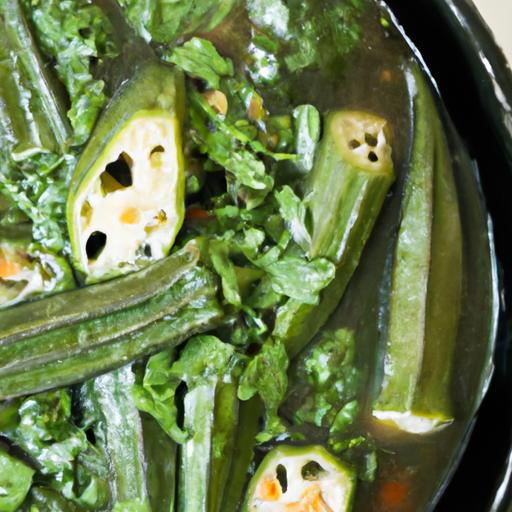
In the heart of West Africa’s culinary tapestry lies a dish that dances with flavor and tradition: Gambian Supakanja. More than just a soup, Supakanja is a vibrant journey into the soulful essence of Gambian culture, where tender okra pods mingle with fragrant spices, tender meats, and leafy greens to create a sensory celebration in every spoonful. this beloved stew, rich with history and bursting with color, offers not only nourishment but also a flavorful passport into the daily lives and communal spirit of the Gambian people. Join us as we explore the origins, ingredients, and cultural importance of Supakanja-a true masterpiece of West African gastronomy.
Gambian Supakanja: A Vibrant Journey into Okra Soup
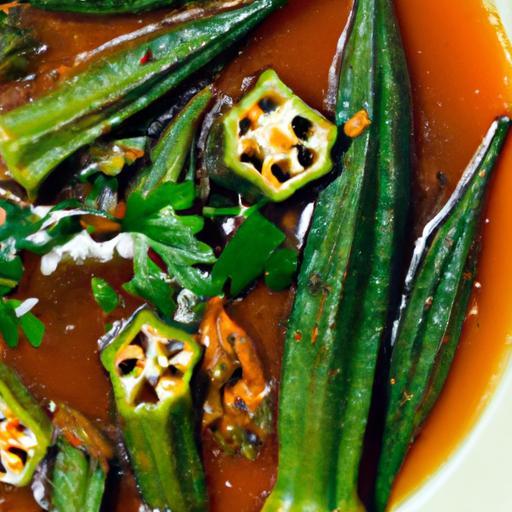
Gambian Supakanja, a cherished culinary treasure, invites you to explore the heart of West African cuisine through its luscious okra soup. This dish embodies centuries of tradition, offering a perfect balance of texture and flavor that reflects the vibrant culture and spirit of The Gambia. From bustling marketplaces to family gatherings, Supakanja is much more than a meal-it’s a fragrant celebration of history, community, and the earth’s bounty.
Prep and Cook Time
- Readiness: 15 minutes
- Cooking: 45 minutes
- Total Time: 1 hour
Yield
Serves 6 generous portions
Difficulty level
Medium – Ideal for home cooks looking to deepen their repertoire with authentic West African flavors.
Essential Ingredients for Authentic Gambian Supakanja
- 500g fresh okra, finely sliced to achieve the perfect mucilaginous texture
- 300g fresh fish (snapper, croaker, or mackerel), cleaned and cut into chunks
- 200g smoked dried fish or stockfish, soaked and deboned
- 1 medium onion, finely chopped
- 3 cloves garlic, crushed
- 2 medium tomatoes, finely diced
- 1 red bell pepper, chopped
- 1 Scotch bonnet pepper, left whole or chopped (adjust to heat preference)
- 1 cup palm oil or substitute with groundnut oil for a milder flavor
- 2 cups water or fish stock
- 1 tablespoon dried ground crayfish (optional but highly recommended)
- Salt and freshly ground black pepper, to taste
- Fresh spinach or cassava leaves, washed and chopped (optional)
Step-by-Step Instructions to Master Gambian Supakanja
- Prepare the Okra: Rinse the fresh okra and cut off the stems. Slice thinly to release the signature soup’s natural thickness. set aside.
- Heat the palm oil in your largest pot over medium heat. Add the chopped onions and sauté until soft and translucent, about 5 minutes.
- Add the garlic, chopped tomatoes, and red bell pepper.Cook until the mixture softens and begins to blend, around 7 minutes, stirring occasionally.
- Introduce the fresh fish and soaked dried fish to the pot, coating them gently in the aromatic base. Pour in 2 cups of water or fish stock.
- Season with salt, pepper, and the dried ground crayfish. Add the whole scotch bonnet pepper; it will infuse heat without overpowering the dish if left whole.
- Bring the soup to a steady simmer. Cover and let cook for 20 minutes,allowing the flavors to meld and the fish to cook through.
- Stir in the sliced okra and optional greens, gently folding them into the soup. Simmer uncovered for an additional 10 minutes.Take care not to over-stir to preserve the ingredients’ integrity.
- Adjust seasoning as needed. Remove the Scotch bonnet before serving unless you prefer an extra kick.
Tips for success: Perfecting Texture & Flavor
- For authentic texture, finely slicing the okra is crucial-too thick cuts will reduce the creamy consistency so prized in Supakanja.
- Use palm oil for that iconic deep amber hue and rich, nutty flavor.Groundnut oil is a good substitute but will lighten the soup’s color and taste.
- Adding dried fish enhances umami depth, but if unavailable, smoked paprika or a dash of liquid smoke can create a smoky backbone.
- To keep fresh fish firm,avoid aggressive stirring after incorporation-gently fold in okra and greens to prevent breakage.
- Make-ahead tip: Supakanja tastes even better the next day as the flavors deepen-store chilled and reheat gently.
How to Serve Gambian Supakanja for an Authentic Experience
This stunning soup pairs beautifully with traditional gambian staples. present it steaming hot alongside rice, fufu, or steamed couscous.
Garnish with fresh herbs like parsley or cilantro for a pop of color and freshness. A squeeze of lime brightens each spoonful.
For beverages, the sweet and tangy flavors of bissap (hibiscus tea) or a refreshing cold palm wine offer the perfect accompaniment, balancing the rich, savory notes of the soup.
| Nutrient | Per Serving |
|---|---|
| Calories | 280 kcal |
| Protein | 28 g |
| Carbohydrates | 10 g |
| Fat | 14 g |
Discover more West African rice recipes to complete your meal.

Q&A
Q&A: Gambian Supakanja – A Vibrant Journey into Okra Soup
Q1: What is Supakanja, and why is it so special in Gambian cuisine?
A: Supakanja is a beloved Gambian okra soup that bursts with vibrant flavors and textures. More than just a dish, it’s a culinary celebration of the country’s rich agricultural heritage, combining tender okra with fresh fish, aromatic spices, and leafy greens.It’s special because it embodies both tradition and community, often prepared for gatherings and cherished as a comfort food.
Q2: Why is okra the star ingredient in Supakanja?
A: Okra,known locally as “kadjenou,” is prized for its unique mucilaginous texture,which thickens the soup naturally,creating a luscious,almost velvety consistency.Beyond texture, okra offers subtle grassy notes and a nutritional boost, packed with vitamins and fiber. It’s a vegetable that tells a story of fertile lands and seasonal rhythms, making each Supakanja soul-satisfyingly fresh.
Q3: How is Supakanja traditionally prepared in The Gambia?
A: Traditionally, Supakanja begins with soaking dried okra or chopping fresh pods, then simmering them with smoked fish or fresh seafood. The magic unfolds as palm oil infuses the dish with its deep, earthy color and richness. Onions, tomatoes, and a pinch of chili bring layers of flavor, while generous handfuls of leafy greens-like sweet potato leaves or cassava leaves-add vibrant green hues and earthiness. The soup is slow-cooked to meld these elements into a harmonious blend.
Q4: What cultural significance does Supakanja hold in Gambian life?
A: Supakanja transcends mere sustenance; it’s a dish of connection.It is indeed frequently enough served during communal meals,festivals,and family gatherings,symbolizing unity and sharing. In Gambian culture, preparing Supakanja is also an act of love, often passed down through generations, with each family adding its unique twist.Sharing a bowl of Supakanja is an invitation into a rich cultural tapestry.
Q5: How can someone outside The Gambia authentically experience Supakanja?
A: To truly experience Supakanja, seek out Gambian markets or specialty African food stores for fresh or dried okra and traditional palm oil. Experiment with authentic ingredients and techniques, but don’t be afraid to adapt with local greens or seafood to suit your palate. Pair the soup with fufu, rice, or traditional millet bread to replicate that authentic Gambian dining experience. most importantly, approach the cooking process as a celebration, embracing the vibrant colors and comforting aromas.
Q6: What makes Supakanja a unique part of West African cuisine?
A: While okra soups are enjoyed across West Africa, Gambian Supakanja stands out for its distinct balance of smoky fish, palm oil richness, and fresh greens.It reflects the country’s coastal bounty and agricultural diversity, creating a dish that is both hearty and refreshing. The interplay of textures-from the slippery okra to the tender fish and chewy greens-makes it a sensory voyage uniquely Gambian.
Q7: Can Supakanja be adapted for modern or international kitchens?
A: Absolutely! Supakanja’s vibrant base can be a playground for creativity.Modern cooks might substitute fresh okra when dried is unavailable or incorporate option proteins like shrimp or chicken. For a vegetarian twist, smoked paprika can mimic the smoky depth of fish. The key is to honor the dish’s heart-its rich,lush texture and the marriage of earthy,fresh,and spicy notes-while adapting to available ingredients and personal tastes.
Embark on your own vibrant journey with Gambian Supakanja, and taste a tradition steeped in flavor, history, and community.
Future Outlook
As we savor the final spoonfuls of gambian Supakanja, it becomes clear that this vibrant okra soup is more than just a dish-it’s a living tapestry of culture, history, and community. With each slimy, flavorful strand, Supakanja invites us to experience the rich agricultural heritage of The Gambia, the soulful warmth of its kitchens, and the joyous gatherings around the family table. Whether you’re a seasoned foodie or a curious traveler, embarking on this flavorful journey into Supakanja opens a window into Gambian life that’s nourishing, comforting, and deeply rooted in tradition. So next time you crave a taste of West Africa, remember that in a humble bowl of okra soup beats the heart of a people whose stories are as vibrant as the dish itself.