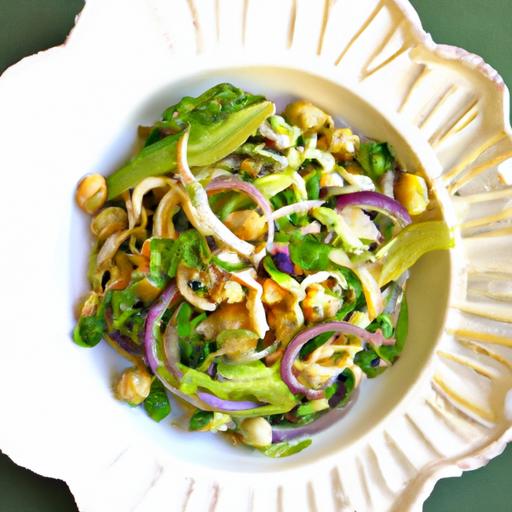

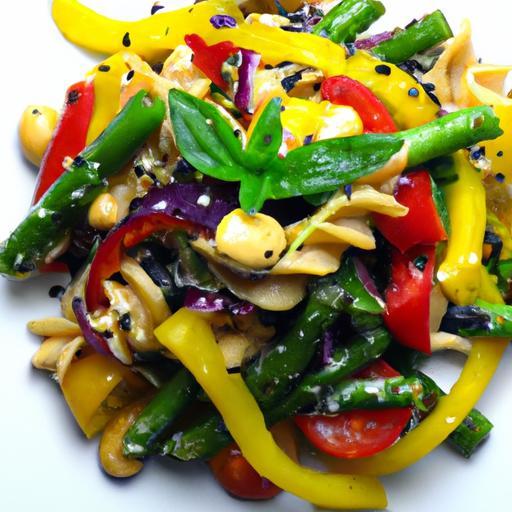
Step into the colorful world of European cuisine, where tradition meets innovation and vibrant flavors burst from every corner of the continent. Beyond the well-trodden paths of classic dishes lies a flourishing vegan movement that’s transforming kitchens from Lisbon’s sun-kissed alleyways to the bustling bistros of Copenhagen. “Discover Vibrant Vegan Flavors from European Kitchens” invites you on a tantalizing journey through diverse cultures and time-honored recipes, reimagined with fresh, plant-based ingredients. Get ready to awaken your palate with creative twists, wholesome textures, and the unmatched spirit of culinary craftsmanship that defines Europe’s vegan renaissance.
Discover vibrant vegan flavors from European kitchens by immersing yourself in a timeless dish that celebrates the humble yet hearty potato, lovingly transformed into a classic Portuguese Batata à Murro-a traditional smashed potato recipe that captures the essence of rustic European cooking with a fully plant-based twist. This dish evokes memories of sun-drenched Algarve terraces and bustling marketplaces, highlighting the magic that seasonal, locally sourced ingredients bring to life in European vegan cuisine.
Prep and Cook Time
Preparation: 10 minutes | Cooking: 45 minutes | Total: 55 minutes
Yield
Serves 4 as a hearty side or light main
Difficulty Level
Easy
Ingredients
- 1.5 lbs baby red potatoes, washed thoroughly
- 3 tbsp extra virgin olive oil, plus extra for drizzling
- 4 garlic cloves, minced finely
- 1 tsp smoked paprika
- Sea salt, to taste
- Fresh rosemary sprigs, 2 for roasting plus extra for garnish
- Freshly ground black pepper, to taste
- Juice of 1 lemon
- 2 tbsp chopped fresh parsley, for garnish
Instructions
- Preheat your oven to 425°F (220°C). This high heat is essential to create the crispy edges that make Batata à Murro irresistible.
- Boil the potatoes in salted water for about 20 minutes or until just tender when pierced with a fork. The potatoes should retain their shape but be cooked through.
- Drain the potatoes well and transfer them to a baking sheet lined with parchment paper. Using the palm of your hand or the bottom of a sturdy glass, gently press each potato until it “smashes” to about half its original thickness. be careful not to break them apart entirely.
- Drizzle the smashed potatoes generously with olive oil, sprinkle the minced garlic, smoked paprika, salt, black pepper, and scatter rosemary sprigs over the top.
- Roast the potatoes in the oven for 25 minutes or until golden and crispy on the edges, turning once halfway to ensure even browning.
- Once roasted, remove from the oven and squeeze fresh lemon juice over the warm potatoes. Garnish with chopped parsley and a few extra sprigs of rosemary for a burst of color and aroma.
- Serve immediately, enjoying the contrast between the crispy exterior and the fluffy, flavorful interior-an authentic European vegan delight.
Tips for Success
- For extra garlicky depth, infuse the olive oil with the minced garlic by warming it gently in a small saucepan before drizzling over the potatoes.
- If you prefer a smokier flavor, add a pinch of smoked sea salt instead of regular salt.
- This dish pairs perfectly with homemade plant-based cheeses like cashew ricotta or herb tofu feta (check out our guide to vegan cheese).
- The smashed potatoes can be pre-boiled and stored in the fridge up to 24 hours ahead. Smash and roast just before serving for maximum crispiness.
- Substitute the red potatoes with Yukon gold or fingerlings depending on what’s fresh and in season in your region.
Serving Suggestions
This dish shines alongside freshly baked crusty European breads, such as a walnut sourdough or an aromatic olive bread, allowing you to soak up the luscious olive oil and herbal juices. pair it with a robust glass of Portuguese red wine or a chilled herbal iced tea for a truly immersive dining experience.
For a complete meal embracing vibrant vegan flavors from European kitchens, add a simple side salad of mixed seasonal greens with a mustard vinaigrette or roasted Mediterranean vegetables drizzled with aged balsamic vinegar.

| Nutritional Data (per serving) | |
|---|---|
| Calories | 210 kcal |
| Protein | 4 g |
| Carbohydrates | 34 g |
| Fat | 7 g |
For further inspiration on seasonal ingredients that bring European vegan recipes to life,visit the European Vegan Cuisine Network, a highly trusted source of traditional plant-based culinary wisdom.
Q&A
Q&A: Discover Vibrant Vegan Flavors from European kitchens
Q1: What makes European vegan cuisine uniquely vibrant?
A1: European vegan cuisine bursts with vibrancy thanks to its rich tapestry of fresh, seasonal produce and time-honored culinary traditions. From the sun-kissed olive groves of the Mediterranean to the hearty root vegetables of Northern Europe, each region brings a distinct palette of flavors, textures, and colors that celebrate the bounty of the land-without a single animal product in sight.
Q2: Which European countries are hotspots for innovative vegan dishes?
A2: While veganism is blossoming across Europe, countries like Italy, Spain, and Greece shine with their plant-based renditions of classic dishes. Meanwhile, Nordic nations such as Sweden and Denmark are pioneering minimalist, foraged-food-inspired vegan recipes, showcasing wild herbs and mushrooms with a modern twist.
Q3: How do traditional European dishes adapt to vegan lifestyles?
A3: Traditional recipes are reinvented through clever substitutions-think creamy cashew-based sauces replacing dairy, or hearty legumes standing in for meat. For example, classic French ratatouille becomes a celebration of fresh vegetables simmered to perfection, while German spaetzle might be made with chickpea flour to keep it vegan-friendly yet comforting.
Q4: What ingredients are essential to European vegan cooking?
A4: Staples include legumes like lentils and chickpeas,an array of grains such as barley and farro,seasonal vegetables (think beets,artichokes,and kale),nuts and seeds for crunch and richness,and fragrant herbs like rosemary,thyme,and dill.Olive oil frequently enough plays a starring role, adding depth and a silky mouthfeel.
Q5: Can exploring European vegan cuisine offer health benefits?
A5: Absolutely! Embracing plant-based meals from European kitchens encourages eating fresh, whole foods rich in fiber, antioxidants, and essential nutrients. The emphasis on seasonal, local ingredients means meals are often nutrient-dense and naturally balanced, supporting overall wellness without sacrificing flavor.
Q6: How can someone new to vegan cooking start exploring European flavors?
A6: Begin with approachable dishes like Spanish gazpacho, Italian bruschetta topped with ripe tomatoes and basil, or a Greek moussaka using lentils rather of meat. Experiment with herbs and spices integral to the region’s identity, and don’t shy away from roasting or slow-simmering vegetables to unlock their full flavorful potential. Cooking European vegan cuisine is as much about storytelling as it is about taste-it invites you into centuries of culture and creativity.
Q7: Where can food lovers find inspiration for vibrant European vegan recipes?
A7: Online platforms, cookbooks by European plant-based chefs, and food blogs dedicated to vegan travel provide abundant inspiration. Also, farmers’ markets and ethnic grocery stores are treasure troves for sourcing authentic ingredients that bring those vibrant European flavors directly to your kitchen.
Embark on this culinary journey and watch how Europe’s vibrant vegan flavors can light up your plate and palate alike!
to sum up
Embarking on a culinary journey through Europe’s vibrant vegan kitchens reveals a tapestry of flavors that are as diverse as the continent itself. From the rich spices of Mediterranean markets to the hearty roots steeped in Central European tradition, these plant-based dishes invite us to experience familiar ingredients in wonderfully unexpected ways. Whether you’re a seasoned vegan or simply curious, embracing Europe’s innovative vegan flavors offers not just nourishment for the body, but a celebration of culture, creativity, and compassion on every plate. So next time hunger calls, let your taste buds wander through Europe’s colorful vegan landscapes-there’s a world of flavor waiting to be discovered.