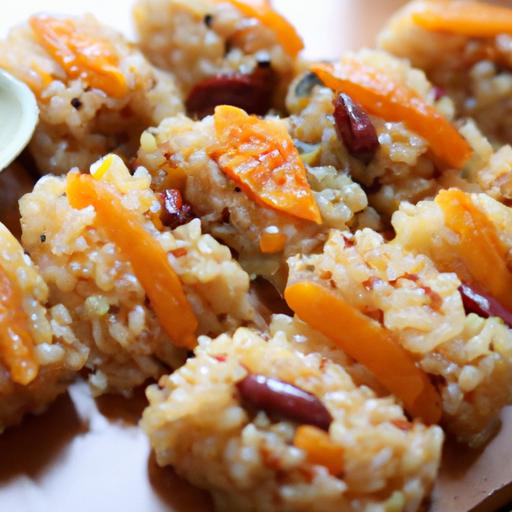
In the heart of Korea’s vibrant culinary tapestry lies a sweet tradition that has been delighting generations-yakbap, a sticky rice treat that’s much more than just a dessert. Often wrapped in fragrant lotus leaves or elegantly plated for festive occasions, yakbap is a harmonious blend of glutinous rice, honeyed chestnuts, jujubes, and pine nuts, each ingredient steeped in cultural symbolism and history. This article peels back the layers of yakbap, exploring its origins, the subtle art of its planning, and the cultural moments that keep this sticky rice delight at the center of celebrations. Join us as we unwrap the story behind yakbap, revealing why this sweet tradition continues to stick in the hearts and palates of many.
Yakbap, a beloved jewel of Korean cuisine, embodies centuries of tradition wrapped in sweet, sticky morsels that comfort the soul. Originating during Korea’s Joseon Dynasty, this delectable rice dessert historically graced royal tables and festive holidays, symbolizing abundance and party. Its enchanting aroma, the rich chew of glutinous rice, and the warm embrace of aromatic chestnuts and jujubes make each bite a journey into Korea’s cultural heart. As a Culinary Content Creator and Food Stylist,I cherish how Yakbap connects generations-its harmonious blend of textures and flavors transforming simple ingredients into timeless delight.
Prep and Cook Time
- Preparation: 45 minutes (includes soaking and chopping)
- Cooking: 30 minutes
- Total Time: 1 hour 15 minutes
Yield
Serves 6 generous portions
Difficulty Level
Medium – requires attention to soaking, layering ingredients, and precise steaming
ingredients
- 2 cups glutinous sticky rice, rinsed and soaked for 2 hours
- 1/2 cup chestnuts, peeled and halved
- 1/2 cup dried jujubes (Korean red dates), pitted and sliced
- 1/2 cup pine nuts
- 5 tbsp dark soy sauce
- 4 tbsp honey (or brown sugar, for a milder sweetness)
- 3 tbsp sesame oil
- 1 tsp cinnamon powder
- 1 tbsp roasted sesame seeds, for garnish
- 1/4 tsp salt
Instructions
- Soak and Prepare Rice: Rinse the glutinous rice under cold water until the water runs clear. Soak for at least 2 hours to achieve that perfect sticky texture. Drain thoroughly before cooking.
- Prepare Nuts and Fruit: Peel and halve chestnuts. Pit and slice dried jujubes into thin strips.Toast pine nuts lightly in a dry skillet over medium heat until fragrant, about 2 minutes.
- Flavor Base: In a mixing bowl, combine dark soy sauce, honey, sesame oil, cinnamon, and salt, creating a fragrant marinade that will infuse every grain.
- Mix Rice and Marinade: Gently fold the drained rice into the marinade, ensuring each grain glistens with flavor but remains loose and airy, avoiding clumping.
- Layering: In a steaming pan or heatproof dish, spread half of the marinated rice evenly. Sprinkle half of the chestnuts, jujubes, and pine nuts on top, then add the remaining rice and repeat the nut and fruit layer for a perfect mosaic.
- Steam to Perfection: Place the dish in a steamer setup, cover tightly to prevent condensation drop, and steam over medium heat for 30 minutes. Resist opening the lid prematurely to maintain consistent steam.
- Final Touches: Remove from steam and let rest for 5 minutes. Garnish generously with roasted sesame seeds for that nutty crunch and visual appeal.
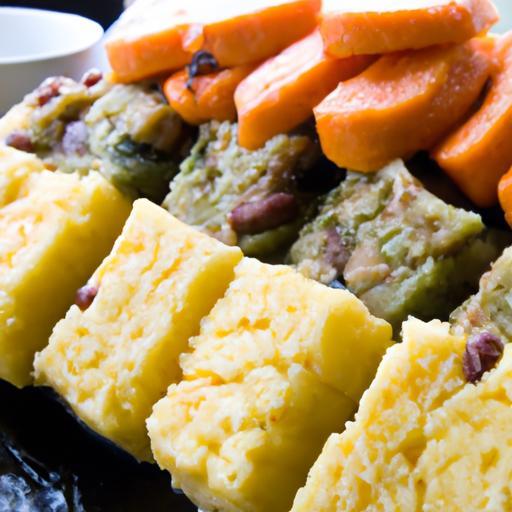
- Slice & Serve: Slice into neat squares or diamonds for an elegant presentation. Serve warm or at room temperature to savor the melding of sweet, savory, and nutty layers.
Tips for Success
- Ensure Proper soaking: The sticky rice needs ample soaking; under-soaked rice results in uneven texture and poor stickiness.
- Use quality Ingredients: Authentic dried jujubes and fresh chestnuts elevate the dish’s flavor. Substitute with dates or dried apricots only if unavailable.
- Steaming Setup: Use a bamboo steamer or a covered deep pan with a rack, ensuring water level doesn’t touch the dish to prevent sogginess.
- Make-Ahead: Yakbap tastes even better the next day as flavors deepen; store covered at room temperature or refrigerate for up to 2 days.
- Modern variations: For a twist, add finely chopped candied ginger or sprinkle with edible gold leaf to impress guests.
Serving Suggestions and Modern Twists to Delight Your Palate
Conventional Yakbap shines when paired with a warm cup of green tea or mild barley tea, whose subtle bitterness balances the sticky rice’s sweetness. Serve garnished with additional pine nuts and a light dusting of cinnamon for visual depth and spice warmth. For a contemporary flair, try layering Yakbap alongside a dollop of whipped cream infused with yuzu zest, or serve chilled topped with a drizzle of black sesame syrup for an Asian fusion dessert that’s both nostalgic and innovative.
| Nutrient | Per serving (1 piece) |
|---|---|
| Calories | 210 kcal |
| Protein | 4g |
| Carbohydrates | 38g |
| Fat | 5g |

Explore more authentic Korean desserts like Hangwa: Traditional Korean Sweets to deepen your culinary journey. For detailed cultural background, visit the Korean Cultural Center.
Q&A
Q&A: Yakbap Unwrapped – The Sweet Tradition of Sticky Rice Delight
Q1: What exactly is Yakbap?
A1: Yakbap, also known as yakbab or yakbap, is a beloved traditional Korean dessert made from glutinous rice, sweetened with honey or brown sugar, and generously mixed with nuts like pine nuts, chestnuts, and sometimes jujubes. its chewy yet tender texture paired with a rich, sweet aroma makes it a timeless treat cherished in Korean culture.
Q2: Why is Yakbap called a “sticky rice delight”?
A2: The name comes from its main ingredient-glutinous rice, often called sticky rice due to its naturally adhesive quality when cooked. This stickiness creates a unique mouthfeel that’s both satisfying and comforting, setting Yakbap apart from other grain-based sweets.
Q3: How did Yakbap become a traditional dish in Korea?
A3: Rooted in Korea’s royal court cuisine, Yakbap was originally crafted to please kings and queens with its luxurious ingredients and harmonious flavors. Over centuries, it trickled down to common households and festivals, becoming a staple sweet during special occasions like Chuseok (harvest festival) and ancestral rites.
Q4: What makes Yakbap special compared to other traditional Korean desserts?
A4: Yakbap’s uniqueness lies in its intricate balance of textures and flavors-the nutty crunchiness offset by the sticky, tender rice soaked in aromatic honey or brown sugar syrup. Unlike more common rice cakes,it’s a celebration of multiple ingredients working in symphony,each bite offering a sweet yet earthy experience.
Q5: How is Yakbap traditionally prepared?
A5: The process starts by soaking glutinous rice to soften it, then steaming it to just the right tenderness. Nuts and dried fruits are roasted or blanched for enhanced flavor and texture.The rice is then mixed with a sweet syrup-typically made from honey or brown sugar and sometimes infused with cinnamon or soy sauce-to imbue depth. the mixture is pressed into a wooden mold, allowing it to cool and firm up into neat, bite-sized pieces.
Q6: Are there any modern twists or variations of Yakbap?
A6: Absolutely! Contemporary chefs experiment by adding ingredients like pumpkin seeds, walnuts, or even chocolate chips to give Yakbap a new flair. Some incorporate matcha powder for a green tea infusion or drizzle it with syrupy sauces. These creative spins respect tradition while inviting new palates to enjoy this sticky rice delight.Q7: When is the best time to enjoy Yakbap?
A7: While it’s traditionally served during festive seasons and ancestral ceremonies, Yakbap makes a splendid treat any time you crave a sweet, wholesome snack. Its natural sweetness and energy-packed ingredients also make it a perfect companion for afternoon tea or as a thoughtful gift steeped in cultural warmth.
Q8: Where can curious food lovers find authentic yakbap?
A8: Authentic Yakbap is best discovered at traditional Korean markets,specialty dessert shops,and during festivals in Korea. However, with the growing global interest in Korean cuisine, some Asian bakeries and online stores abroad also offer freshly made or packaged Yakbap. Making it at home is another rewarding option to truly connect with its heritage and flavors.
Q9: What cultural importance does Yakbap hold in Korean society?
A9: Beyond its role as a delicious delicacy, Yakbap symbolizes hospitality, respect, and connection. Sharing this sweet treat during rituals, family gatherings, and holidays is a way of honoring ancestors and expressing warmth to loved ones. It embodies the Korean beliefs of food as a bridge between the past and present, linking generations through tradition.
By unwrapping Yakbap’s story, we savor more than just sticky rice-we taste centuries of Korean history, community, and love. So next time you try this sweet delight, remember you’re biting into a rich cultural tapestry woven with every sticky, nutty morsel.
Wrapping Up
As the final grains of sticky rice dissolve on the tongue and the lingering sweetness of honeyed chestnuts fades gently away, yakbap reveals itself not just as a dessert but as a flavorful thread woven through Korea’s rich cultural tapestry. This humble sticky rice treat carries stories of celebration, family gatherings, and the timeless joy of sharing.By unwrapping Yakbap, we unwrap more than just a traditional delicacy-we uncover a vibrant tradition that continues to sweeten lives, one bite at a time. Whether savored at a festive table or enjoyed as a comforting snack, Yakbap invites us all to experience the warmth and heritage encapsulated within each sticky, golden morsel.