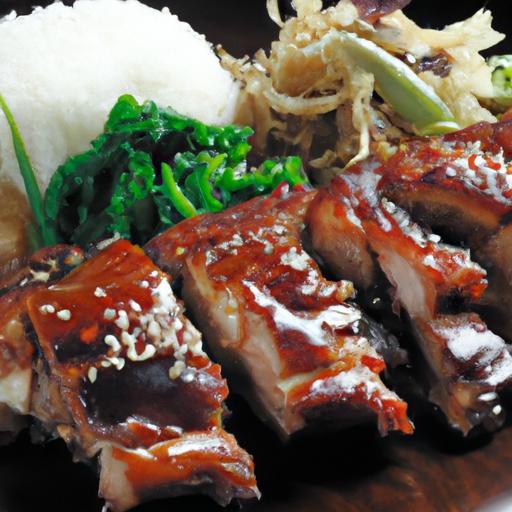
In the vibrant world of Japanese cuisine, few dishes capture the perfect harmony of sweet, savory, and umami quite like teriyaki. This beloved glaze, with its glossy sheen and irresistible flavor, transforms humble ingredients into culinary magic. But mastering authentic teriyaki is more than just following a recipe-it’s about understanding the delicate balance of tradition, technique, and quality ingredients that make each bite a party of Japan’s rich food heritage. In this article, we’ll take you on a flavorful journey through the art of crafting genuine Japanese teriyaki, sharing time-honored recipes and insider tips that promise to elevate your kitchen creations to new heights. Whether you’re a seasoned cook or a curious food lover, get ready to savor every moment of mastering the true taste of teriyaki.
Mastering japanese Teriyaki is not just about recreating a flavorsome glaze; it’s an enchanting journey through japanese culinary tradition. originating from the Edo period, teriyaki is deeply rooted in Japan’s rich food culture where “teri” means glaze or shine, and “yaki” refers to grilling or broiling. This glossy, savory-sweet sauce was once reserved for grilled fish but has since evolved into a beloved method to enhance meats and vegetables across the globe. I vividly remember the first time I made teriyaki at home-the intoxicating aroma of soy, mirin, and ginger filling my kitchen was unforgettable, instantly transporting me to Japan’s bustling izakayas. Today, we will explore authentic ingredients, precise techniques, and exciting variations that will elevate you to true mastery of this iconic dish.
Prep and Cook Time
- Prep Time: 15 minutes
- Cook Time: 20 minutes
- Total Time: 35 minutes
Yield
Serves 4 generously, perfect for pairing with steamed rice or lightly sautéed greens.
Difficulty Level
Easy to Medium – ideal for both kitchen novices and seasoned chefs wanting to refine their technique.
Choosing the Perfect Ingredients for an Authentic Teriyaki Experience
authentic teriyaki begins with quality ingredients that marry umami and subtle sweetness perfectly. The essential components include shoyu (Japanese soy sauce), mirin (sweet rice wine), and fresh ginger. Unlike heavier Western sauces, authentic teriyaki glaze is light yet deeply flavorful, emphasizing harmony rather than overpowering spices. When selecting your soy sauce, opt for a naturally brewed Japanese type-they offer depth and a smoother finish. Mirin adds mild sweetness and a delicate acidity that balances the savory soy, while freshly grated ginger introduces a gentle warmth essential for that authentic zing. For the protein, customary options like chicken thighs, salmon, or firm tofu soak up the sauce beautifully. A touch of sake brightens the flavor, though you can omit if preferred. Lastly, some cooks add a small amount of sugar or honey to achieve the signature glossy caramelization-choose a natural sweetener to maintain balance.
Ingredients
- 1/2 cup Japanese soy sauce (shoyu)
- 1/4 cup mirin (sweet rice wine)
- 2 tablespoons sake (optional)
- 2 tablespoons granulated sugar or honey
- 1 tablespoon freshly grated ginger
- 2 cloves garlic, minced (optional for subtle depth)
- 1 lb boneless, skin-on chicken thighs (or salmon fillets, tofu slabs)
- 2 teaspoons vegetable oil for sautéing
- Sesame seeds and sliced scallions for garnish
Step by Step Techniques to Achieve the Ideal Teriyaki Glaze
- Prepare the Glaze: In a small saucepan, combine soy sauce, mirin, sake (if using), sugar, grated ginger, and garlic. Stir gently to dissolve the sugar before heating.
- Simmer and Reduce: Bring the mixture to a gentle boil, then lower heat to a simmer. Allow it to reduce by approximately one-third, stirring occasionally until it thickens into a syrupy glaze-about 10 minutes. Be careful not to over-reduce, or the glaze will become too sticky.
- Marinate the Protein: Place chicken thighs in a shallow dish and pour half of the cooled glaze over them.Let marinate at room temperature for 15 minutes or in the fridge up to 2 hours for enhanced flavor absorption.
- Sear and Caramelize: Heat oil in a heavy skillet over medium-high heat. Remove excess marinade from chicken and sear thighs skin-side down until golden brown and crispy, about 5 minutes. flip and cook another 3-4 minutes. This step builds texture and flavor.
- Glaze and Finish: Lower heat to medium, brush the chicken generously with remaining glaze and cook for 2 minutes more, turning once to coat all sides. The glaze will form a shiny, slightly sticky coating-this is the hallmark of perfect teriyaki.
- Rest and Serve: Transfer to a plate and allow the meat to rest for 5 minutes, locking in the juices and letting the glaze set beautifully.
Chef’s Notes and Tips for success
- Protein Variations: Swap chicken thighs with salmon for a richer, oily texture, or tofu for a vegetarian delight-just adjust cooking times accordingly.
- Glaze Consistency: If glaze thickens too much,whisk in a teaspoon of water to loosen before glazing.
- Make-Ahead: The glaze can be prepared in advance and refrigerated for up to a week-just reheat gently before use.
- Balancing Sweetness: Adjust sugar or honey quantities based on your preferred sweetness level, keeping in mind mirin also imparts sweetness.
- Enhancing Aroma: Toasted sesame seeds add a lovely nutty finish; for a bolder kick, add a pinch of freshly cracked black pepper or chili flakes.
Creative Variations and Serving Suggestions to Elevate Your Dish
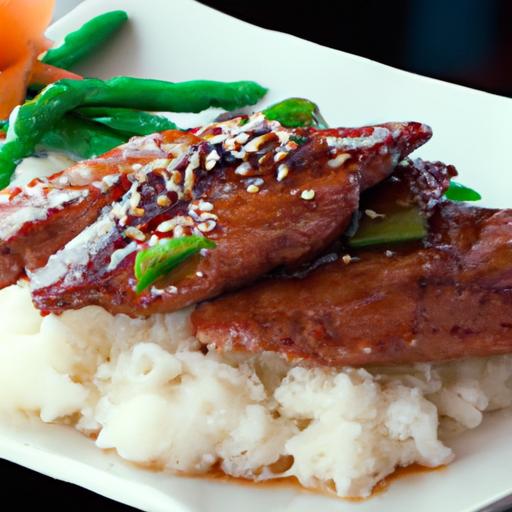
elevate your teriyaki experience with thoughtful accompaniments and twists. Serve atop a bed of fluffy steamed jasmine or Japanese short-grain rice to absorb every luscious drop of glaze.For freshness and texture contrast, add steamed broccoli or sautéed snap peas tossed lightly in sesame oil. Garnish with vibrant green scallions and a sprinkle of toasted sesame seeds to add visual pop and a nutty crunch. For an adventurous palate, try drizzling with a hint of wasabi mayo or a touch of yuzu kosho for citrusy heat. Incorporating pickled ginger on the side offers palate-cleansing zest.Looking to present teriyaki as a centerpiece? Slice the protein thinly and arrange it artistically on a platter with colorful vegetable tempura and a dipping bowl of extra glaze.
| Nutrition per Serving | Amount |
|---|---|
| Calories | 320 kcal |
| Protein | 28 g |
| Carbohydrates | 12 g |
| Fat | 15 g |
For expanding your Japanese cooking repertoire, explore our Authentic Japanese Ramen Recipes to complement your teriyaki creations. additionally,deepen your understanding of traditional Japanese brewing methods through this informative Japan Times article on fermentation in Japanese cuisine.

Q&A
Q&A: Mastering japanese Teriyaki – Authentic Recipes to Savor
Q1: What exactly is teriyaki, and where does it come from?
A: Teriyaki is a beloved Japanese cooking technique and sauce that involves glazing grilled or pan-fried foods with a glossy mixture of soy sauce, mirin, sake, and sugar or honey.The name “teriyaki” derives from “teri,” meaning shine or glaze, and “yaki,” meaning to grill or broil. Originating centuries ago in Japan, teriyaki has since charmed taste buds worldwide with its perfect balance of sweet and savory flavors.
Q2: What makes authentic Japanese teriyaki different from Western versions?
A: Authentic Japanese teriyaki emphasizes simplicity and balance.The core ingredients-soy sauce, mirin, sake, and sugar-are carefully combined to create a delicate glaze that enhances rather than overwhelms the natural flavors of the protein. Western adaptations frequently enough add ketchup, garlic, or ginger, or use thicker sauces and marinades, which can stray from the clean, subtle essence of true teriyaki.
Q3: Which proteins are best for making traditional teriyaki dishes?
A: While teriyaki pairs famously with chicken thighs or breast, it’s equally delicious with beef, salmon, mackerel, or even tofu. The key is using cuts with enough fat or firmness to soak up the sauce and develop a caramelized exterior when cooked.For an authentic experience, consider grilling or pan-searing your protein just until it’s beautifully charred and coated with that iconic sheen.
Q4: Can you share a basic recipe for authentic Japanese teriyaki sauce?
A: Absolutely! Here’s a classic teriyaki sauce recipe:
- ¼ cup soy sauce
- ¼ cup mirin (sweet rice wine)
- 2 tablespoons sake
- 1-2 tablespoons sugar or honey
Combine all ingredients in a small saucepan. Gently simmer over low heat until the sugar dissolves and the sauce thickens slightly, usually about 5-7 minutes. Cool before glazing your protein.
Q5: How do you achieve the perfect glossy finish on teriyaki dishes?
A: The secret lies in the simmering and basting process. Once your sauce has thickened, cook your protein over medium-high heat, brushing the teriyaki glaze repeatedly as it cooks. The sugars caramelize and form that irresistible shiny coat. Avoid overcooking-just enough to get a beautiful glaze and tender interior.
Q6: Are ther any cultural tips or etiquette when serving teriyaki in Japan?
A: Teriyaki dishes are typically served with steamed rice and simple sides like pickled vegetables or miso soup to balance the richness of the glaze.In Japan, the visual appeal is crucial, so presenting your teriyaki with a neat drizzle and a sprinkle of sesame seeds or sliced scallions elevates the dish. Eating with chopsticks is standard, and savoring each bite thoughtfully honors the culinary tradition.
Q7: Can teriyaki be adapted for vegetarian or vegan diets?
A: Definitely! Tofu or eggplant make excellent vessels for teriyaki sauce, soaking up the glaze beautifully. Use a plant-based soy sauce and ensure the mirin and sake are vegan-pleasant. this way, you can enjoy all the luscious flavor and glossy charm of teriyaki without meat.
Q8: What are some creative twists to try once you’ve mastered the classic teriyaki?
A: Once you have the basics down,experiment by adding grated ginger or garlic for a subtle zing,or a dash of yuzu juice for a citrusy brightness. Try teriyaki-glazed vegetables or even teriyaki-inspired sushi rolls. The versatility of teriyaki invites playful creativity while honoring its roots.
Q9: how should leftover teriyaki sauce be stored?
A: Store leftover sauce in an airtight container in the refrigerator for up to one week. Reheat gently before using, and avoid boiling repeatedly to preserve the delicate flavors and prevent excessive thickening or burning.
Mastering Japanese teriyaki is a delicious journey into the art of balance and simplicity. With authentic techniques and a bit of practise, you’ll be savoring that perfect glossy glaze in no time!
To Wrap It Up
As you’ve journeyed through the rich flavors and time-honored techniques of Japanese teriyaki, you’ve unlocked more than just a recipe-you’ve discovered a culinary tradition steeped in balance, simplicity, and harmony.Whether you’re glazing tender chicken,caramelizing succulent salmon,or experimenting with plant-based delights,mastering teriyaki opens a gateway to authentic tastes that resonate beyond the plate. So, sharpen your knives, ready your soy sauce, and let each sizzling moment bring you closer to savoring the true essence of Japan’s beloved cuisine. Your teriyaki adventure has only just begun-arigatō and happy cooking!