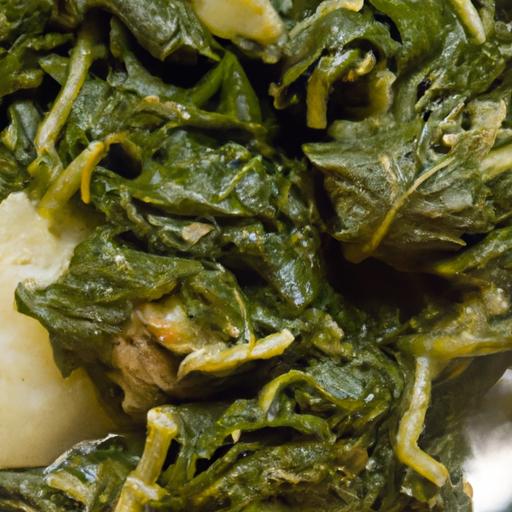
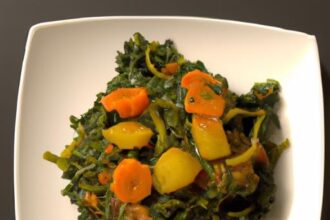
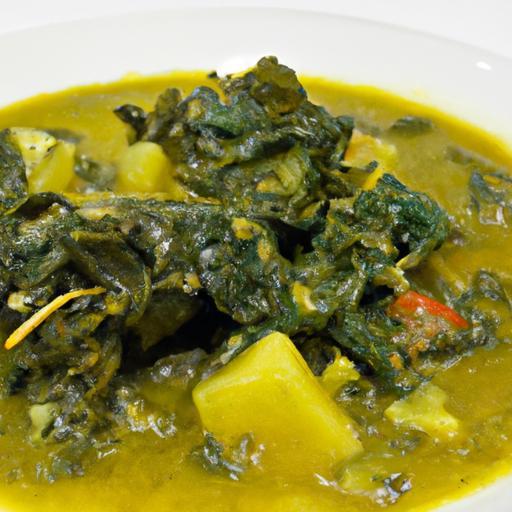
Hidden within the vibrant culinary tapestry of West Africa lies a dish that boasts both tradition and bold flavors: Cassava Leaf Stew. Hailing from Sierra Leone, this hearty and aromatic stew is more than just a meal-it’s a testament to the country’s rich agricultural heritage and communal spirit. Made from tender cassava leaves simmered to perfection with a symphony of spices, meats, and palm oil, this flavorful gem offers a window into the soul of Sierra Leonean cuisine. Join us as we explore the origins, ingredients, and cultural meaning of Cassava Leaf Stew, uncovering why it holds a cherished place on dinner tables across the region and beyond.
Cassava Leaf Stew is a cherished culinary treasure rooted deeply in Sierra Leone’s vibrant food culture. This hearty and aromatic stew,known locally as “Sakaba” or “Cassava Leaf Sauce,” blends fresh cassava leaves with rich,savory ingredients to create a dish that is both comforting and celebratory. My first encounter with cassava leaf stew was at a bustling local market in Freetown, where the wafting fragrance of simmering spices and greens instantly captured my heart. Its complex flavors and cultural significance make it more than just a meal-it’s an edible story passed down through generations.
prep and Cook Time
- Preparation Time: 20 minutes (including washing and pounding cassava leaves)
- Cooking Time: 1 hour 15 minutes
Yield
Serves 6 generous portions
Difficulty Level
Medium – requires some preparation with fresh ingredients but approachable with step-by-step guidance
Key Ingredients That Bring Cassava Leaf Stew to Life
- Fresh cassava leaves (or frozen if fresh unavailable) – 3 cups, finely pounded or chopped
- Palm oil - ⅔ cup, for that authentic golden hue and robust flavor
- Ground crayfish or dried shrimp – 2 tablespoons, enhances umami depth
- Scotch bonnet peppers – 1 or 2, finely chopped for heat (adjust to taste)
- Onions – 1 large, finely diced
- Fresh garlic – 3 cloves, minced
- Tomatoes – 2 medium, pureed or finely chopped
- Salted dried fish or smoked mackerel - 100g, thoroughly deboned and chopped
- seasoning cubes – 1 or 2 (optional), for enhanced savory notes
- Salt and freshly ground black pepper – to taste
- Water or broth – 2 to 3 cups, for simmering
- Optional: Cooked ground peanuts – ½ cup, for creaminess and texture
Step-by-Step Guide to preparing Traditional Cassava Leaf Stew
- Prepare the cassava leaves: If using fresh, wash cassava leaves thoroughly, then pound them finely using a mortar and pestle or pulse in a food processor until they resemble a smooth green paste. frozen leaves can be thawed and chopped finely.
- Heat palm oil: In a large heavy-bottomed pot, warm the palm oil over medium heat until it glistens with a slight aroma-about 3 minutes.
- Sauté aromatics: Add onions, garlic, and scotch bonnet peppers. Cook gently, stirring frequently, until the onions become translucent and soft, approximately 5 minutes.
- Add the pureed tomatoes: Stir into the aromatics and simmer for 7-10 minutes to reduce water content and concentrate the flavors.
- Incorporate ground crayfish and smoked fish: Mix these in carefully, letting their smoky and umami flavors infuse the base. Stir often to prevent sticking.
- Add the finely pounded cassava leaves: Fold them into the stew and combine well with the other ingredients.
- pour in water or broth: Add 2 cups initially, then add more if needed to achieve your preferred stew consistency. Bring to a gentle boil, then reduce to low.
- Simmer: Cover and let the stew simmer gently for 45-60 minutes, stirring occasionally to avoid burning or sticking. The cassava leaves should become tender and the flavors meld beautifully.
- Season: Add salt, freshly ground pepper, and optional seasoning cubes to taste. If using ground peanuts, stir them in during the last 10 minutes for richness and body.
- Final check: Taste and adjust seasoning. The stew should be thickened, glossy, and generously flavored.
Expert Tips for Elevating Flavor and Presentation in Your Cassava Leaf Stew
- use fresh palm oil: It lends an unmistakable color and earthiness. If unavailable,substitute with a high-quality red palm oil to maintain authenticity.
- Balance heat and aroma: Scotch bonnet peppers pack heat, but you can tame their intensity by deseeding or reducing quantity without sacrificing flavor.
- Pounding vs. processing: Traditionally pounding cassava leaves releases their oils and bitterness uniquely; a food processor is convenient but handle gently to avoid a mushy texture.
- Smoked fish: Bringing bold depth; replace with smoked tuna or skip for vegetarian adaptation.
- garnishes: Freshly chopped red onions or a drizzle of extra palm oil offer a vibrant finishing touch.
- Serving tip: Present alongside steamed rice, fufu, or banku to soak up the luscious sauce-use brightly colored bowls to contrast the rich green stew and warm orange hues of palm oil.
- Make-ahead: The stew’s flavor develops beautifully if allowed to rest for several hours or overnight in the refrigerator. Reheat gently before serving.
Serving Suggestions
Serve your cassava leaf stew with classic Sierra Leonean staples like fluffy white rice or fermented cassava dough (fufu).to brighten the plate, add a small bowl of sliced fresh tomatoes or crunchy kachumbari salad on the side. Garnish with a swirl of palm oil atop the stew and sprinkle with toasted peanuts for texture contrast. A chilled glass of traditional ginger beer or hibiscus tea creates a refreshing pairing.
| Nutrient | Per Serving |
|---|---|
| Calories | 320 kcal |
| Protein | 15 g |
| Carbohydrates | 20 g |
| Fat | 18 g |
Discover more authentic Sierra Leonean classics to further immerse yourself in the rich tapestry of this vibrant cuisine.
For a deeper understanding of cassava leaf’s nutritional profile and its role in West African diets, visit this complete study.

Q&A
Q&A: Cassava Leaf Stew – A Flavorful Gem from Sierra Leone Cuisine
Q1: What is cassava leaf stew, and why is it so special in Sierra Leone?
A1: Cassava leaf stew is a hearty, green leafy dish made from the tender leaves of the cassava plant, simmered slowly with spices, palm oil, and often enriched with meat or fish. In Sierra leone,it’s more than just food-it’s a cultural treasure that brings families together,showcasing the heart and soul of West African cooking through its rich flavors and vibrant colors.Q2: How is cassava leaf prepared for the stew?
A2: Fresh cassava leaves are first carefully washed, stripped from their stems, and then pounded or finely chopped to release their unique flavor and tenderize their texture.This labor-intensive step is a traditional method that enhances the stew’s depth,although pre-packaged cassava leaf paste is now sometimes used for convenience.
Q3: What are the key ingredients that make cassava leaf stew so flavorful?
A3: The magic lies in a blend of smoky palm oil, spicy Scotch bonnet peppers, aromatic onions, garlic, and flavorful stock. Meats like beef, chicken, or smoked fish are frequently enough added, along with groundnuts (peanuts) for a subtly nutty richness. These layers of ingredients meld beautifully to create a stew that’s both earthy and vibrant.
Q4: Is cassava leaf stew healthy?
A4: Absolutely! Cassava leaves are packed with vitamins A,C,and iron,making them a nutritious choice. Combined with protein from meat or fish and healthy fats from palm oil, the stew offers a balanced and wholesome meal that nourishes both body and soul.
Q5: How is cassava leaf stew traditionally served in Sierra Leone?
A5: Traditionally, the stew is served hot alongside a starchy side like rice, fufu (a pounded dough made from cassava, yam, or plantain), or gari (fermented cassava granules). This combination creates a comforting and filling dish, perfect for sharing during family meals or festive gatherings.
Q6: Can cassava leaf stew be adapted for different tastes or dietary preferences?
A6: Certainly! While the classic version includes meat and palm oil, vegetarians might swap in mushrooms or extra nuts and use vegetable broth. Spiciness can be adjusted by varying the amount of Scotch bonnet peppers, and for a lighter twist, some cooks use less oil or substitute with healthier vegetable oils-though purists will argue nothing beats traditional palm oil’s distinct flavor.
Q7: What makes cassava leaf stew a cultural symbol beyond its taste?
A7: Beyond its delicious flavor, cassava leaf stew embodies community and heritage. the process of preparing and sharing the meal is woven into Sierra Leonean social fabric, symbolizing hospitality, resilience, and connection to the land. It’s a dish that tells a story of tradition passed down through generations, carrying with it the warmth of home and history.
Q8: Where can one experience authentic cassava leaf stew outside Sierra Leone?
A8: Authentic cassava leaf stew can be found in West African restaurants around the world, especially in cities with vibrant Sierra Leonean or broader African communities. Seeking out these eateries or attending cultural festivals can be an exciting way to savor this flavorful gem and immerse yourself in Sierra Leonean cuisine firsthand.
Whether you’re a curious foodie or a culinary adventurer,exploring cassava leaf stew offers a delicious journey into Sierra Leone’s rich culinary heritage-a true feast for the senses and the soul.
Key Takeaways
In the vibrant tapestry of Sierra Leonean cuisine, cassava leaf stew stands out as much more than just a dish-it’s a celebration of tradition, resilience, and communal spirit.With its rich, earthy flavors and nourishing ingredients, this stew invites both the curious and the seasoned palate to dive into a culinary experience steeped in history and culture. Whether enjoyed at a bustling family gathering or savored in quiet reflection, cassava leaf stew remains a flavorful gem that continues to connect generations and inspire a deeper appreciation for Sierra Leone’s diverse and delicious heritage. So, the next time you seek a meal that tells a story as rich as its taste, let cassava leaf stew be your flavorful guide to the heart of West Africa.