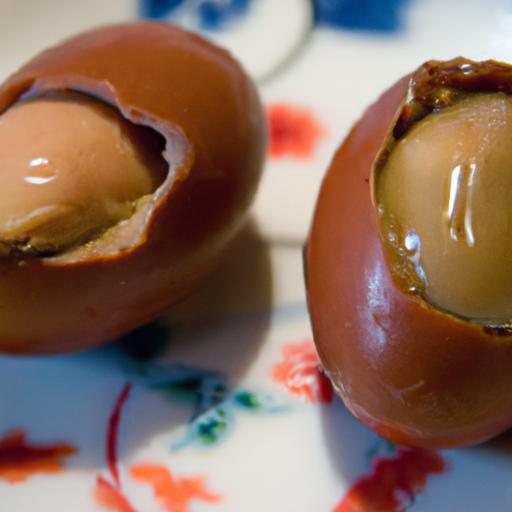
Nestled within the bustling streets and quiet kitchens of China lies a humble yet enchanting culinary treasure: the traditional Chinese tea egg. More than just a savory snack, tea eggs are a symphony of art and flavor, where the delicate marbling of cracked shells meets the deep, aromatic infusion of tea and spices. This timeless treat is a window into centuries-old customs, blending history, culture, and gastronomy in each beautifully stained egg.Join us as we unveil the secrets behind the artful preparation and rich taste of traditional Chinese tea eggs, exploring how this simple delicacy continues to captivate palates and hearts alike.
Discovering the Cultural Heritage Behind Traditional Chinese Tea Eggs
Traditional Chinese tea eggs are more than just a savory snack; they embody centuries of cultural heritage,bringing together the artistry of tea,spices,and slow cooking. Originating from street vendors and bustling markets in China,tea eggs have long been cherished for their marbled appearance and warming flavors. This humble yet iconic delicacy symbolizes comfort and nostalgia, frequently enough tied to stories of family gatherings and the simplicity of home cooking.
My first encounter with tea eggs was during a lively trip to Taiwan’s night markets, where the fragrance of spices mingled with roasted teas drew me in.that experience sparked a deep appreciation for the delicate balance between the marinade and the infusion process, inspiring this recipe designed to master the perfect tea egg at home.
Prep and Cook Time
- Preparation: 15 minutes
- Marinating: 12 hours (overnight recommended)
- Cooking: 1 hour 30 minutes
- Total Time: Approximately 14 hours 45 minutes
Yield
8 flavorful traditional Chinese tea eggs
Difficulty Level
Medium - requires patience for marinating but simple steps.
Mastering the Perfect Marinade Blend for Rich Flavors
The secret to an unforgettable tea egg lies in the marinade. A carefully curated melange of black tea leaves, soy sauce, and aromatic spices infuses the eggs, delivering depth and complexity. This balance creates the signature rich, savory taste and the beautifully patterned surface.
- Black tea leaves: Provide a gentle smokiness and help deepen the egg’s color.
- Soy sauce: Adds umami and saltiness, essential for that authentic flavor.
- Chinese five-spice powder: Offers star anise, cinnamon, cloves, fennel, and sichuan peppercorn notes that awaken the palate.
- Cinnamon stick and star anise pod: Impart warmth and a slight sweetness.
- Orange peel: Brightens the marinade with subtle citrus aroma.
- Rock sugar: Softens the edges of salty and spicy tones with gentle sweetness.
Using these ingredients in harmony is the essence of mastering tea egg flavor complexity.
Ingredients
- 8 large eggs
- 4 cups water
- 3 tablespoons black tea leaves (preferably Pu-erh or Lapsang Souchong)
- 1/2 cup soy sauce (light or dark according to preference)
- 1 cinnamon stick
- 3 whole star anise pods
- 1 tablespoon Chinese five-spice powder
- 1 teaspoon Sichuan peppercorns
- 1 strip dried orange peel (about 2 inches)
- 1 tablespoon rock sugar
- fresh water to top up if needed
Step by Step Guide to Achieving the Ideal tea Egg Texture
- Boil the eggs: Place eggs in a saucepan, add cold water to cover by 2 inches.bring to a rolling boil over medium-high heat. Boil for 7 minutes for firm but tender yolks.
- Cool and crack shells: transfer eggs to cold water to stop cooking. Once cool, gently crack the shells all over using the back of a spoon, creating a spiderweb pattern but keeping shells intact to absorb flavors.
- Prepare the marinade: In a clean pot, combine water, tea leaves, soy sauce, cinnamon, star anise, five-spice powder, Sichuan peppercorns, orange peel, and rock sugar. Bring to a boil then reduce to low simmer for 10 minutes to extract infused flavors.
- Simmer eggs in marinade: Add cracked eggs to the spiced tea broth. Maintain a gentle simmer for 1 hour, occasionally turning eggs to ensure even coloring and flavor absorption.
- Marinate overnight: Remove pot from heat, let eggs soak in the marinade for at least 12 hours or overnight in the refrigerator. The prolonged soak ensures deep marbling and rich taste.
- Serve and enjoy: Peel eggs just before serving to showcase the delicate, marbled patterns and savor the tender, perfectly-flavored yolks.
Tips for Success: Chef’s Notes
- Marinating time: The longer the eggs soak, the more intense the flavor and marbling. Ideally, 12-24 hours.
- Tea selection: Opt for tea with smokey or bold profiles like Lapsang Souchong for a dramatic aroma and appearance.
- Cracking shells: Be gentle to create fine cracks without peeling off shell fragments. This ensures a beautiful marbled effect.
- Rock sugar option: Substitute with brown sugar or honey for subtle sweetness.
- Make-ahead: Tea eggs keep well in their marinade in the fridge for up to 3 days, flavors deepen over time.
- Texture preference: Adjust boiling time by a minute or two to reach the desired yolk consistency.
Pairing Suggestions to Elevate Your Tea Egg Experience
Tea eggs make a versatile accompaniment to many meals or a comforting snack on their own. Their savory depth pairs beautifully with:
- Congee or rice porridge: The mellow eggs add umami richness to a delicate bowl of congee.
- street food-style buns or bao: Complement the spices with fluffy steamed buns for a perfect balance.
- Pickled vegetables: The acidity and crunch heighten the earthy, spiced flavors of the tea egg.
- Green or oolong tea: A hot cup accentuates the tea infusion within the egg, creating a layered tasting experience.
- Soy sauce braised noodles: Add sliced tea eggs on top for extra protein and flavor complexity.
For a visually stunning presentation, serve peeled tea eggs sliced in halves, garnished with finely chopped scallions and a sprinkle of toasted sesame seeds. Create a rustic spread that invites conversation and appreciation of tradition.
| Nutrient | Per 1 Tea Egg |
|---|---|
| Calories | 90 kcal |
| Protein | 7.5 g |
| Carbohydrates | 1.2 g |
| Fat | 6 g |
Explore more traditional Chinese recipes and deepen your culinary journey. For more detailed data on tea varieties used in cooking, visit the World Tea Association.

Q&A
Q&A: The Art and Flavor of Traditional Chinese Tea Eggs Unveiled
Q1: What exactly are Chinese tea eggs?
A: Chinese tea eggs are hard-boiled eggs gently cracked and simmered in a fragrant, spiced tea broth. This method infuses the eggs with a marbled appearance and a unique, savory aroma that transforms simple eggs into an edible work of art.
Q2: How did tea eggs become a staple in Chinese culture?
A: The origins of tea eggs trace back centuries to street vendors and home cooks seeking a flavorful, portable snack. Over time, tea eggs evolved into a beloved symbol of comfort and tradition, often enjoyed during festivals and family gatherings, embodying warmth and shared heritage.
Q3: What’s the secret behind the marbled pattern on tea eggs?
A: The cracked shell technique is more than just decorative; it’s the canvas for the tea’s magic. By gently cracking the eggshell after boiling but before simmering, the spiced tea seeps through the fissures, creating a delicate web of dark veins that mimic marble – a visual signature of this culinary craft.
Q4: Which spices and teas lend their flavor to traditional tea eggs?
A: Star anise, cinnamon, cloves, and sometimes orange peel join forces with black tea leaves to create a complex bouquet of sweet, woody, and slightly bitter notes. This blend not only flavors the egg but also enhances its aroma, offering a sensory journey with each bite.
Q5: Are tea eggs eaten hot or cold?
A: Both! Tea eggs are traditionally enjoyed warm straight from the pot, allowing the spices to envelop your palate. Though,they are equally delightful chilled,making them a convenient snack for markets,picnics,or a flavorful addition to lunch boxes.
Q6: Can tea eggs be customized?
A: Absolutely. While the classic recipe remains cherished, modern twists experiment with different teas – like green or oolong – or incorporate alternative spices and soy sauce to tweak sweetness or saltiness. These variations keep the tradition alive while inviting creative expression.
Q7: Why do tea eggs hold more than just culinary value?
A: beyond their taste, tea eggs represent a bridge across generations, a ritual that anchors family ties and cultural identity. Their preparation and enjoyment echo stories, heritage, and the simple joy found in sharing humble yet flavorful food.
Q8: how can someone make authentic Chinese tea eggs at home?
A: Start by boiling eggs until hard, then gently crack their shells without removing them.Simmer the eggs in a pot filled with strong brewed black tea, soy sauce, star anise, cinnamon sticks, and optional spices for several hours or overnight. The longer they soak, the deeper the flavor and marbling develop. Patience reveals the full art and flavor of this traditional delight.
Q9: Where can I find tea eggs outside of China?
A: Tea eggs have journeyed worldwide and can often be found in Chinese bakeries, Asian grocery stores, and street food markets globally.Thanks to their portability and rich flavor,they’ve become a cherished snack for adventurous food lovers everywhere.
Q10: What makes tea eggs a timeless culinary masterpiece?
A: it’s the harmonious blend of simplicity and complexity – everyday eggs transformed through patience, spices, and cultural storytelling into a snack that’s rich in flavor, history, and visual poetry. Tea eggs remind us that artful food can transform the ordinary into the extraordinary.
Final Thoughts
As the steam rises from a perfectly brewed cup,the humble tea egg reveals itself as more than just a snack-it is a living narrative of centuries-old traditions,intricate flavors,and cultural artistry. Each crack in its marbled shell tells a story of patience and precision, a fusion of tea, spices, and heritage that awakens the senses and connects us to the heart of Chinese culinary history. Whether savored on bustling street corners or in quiet moments at home, the traditional Chinese tea egg remains a flavorful testament to the enduring beauty of simple ingredients transformed by time and care. so next time you unwrap this savory treasure, remember: you’re tasting a piece of art that continues to flavor and inspire across generations.