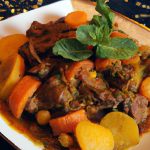


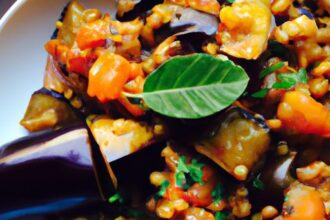

In the heart of Uganda’s vibrant culinary tapestry lies a dish that is as much a celebration of culture as it is of flavor: Luwombo. This time-honored tradition, where tender meats and fragrant rice are gently steamed to perfection, invites food lovers on a sensory journey through the country’s rich heritage. More than just a meal, Luwombo is a communal experience-an aromatic dance of spices and ingredients wrapped in banana leaves, weaving stories of family, festivity, and timeless customs. join us as we unveil the secrets behind Ugandan Luwombo, exploring how this humble yet exquisite steamed delight continues to warm hearts and tables alike.
Ugandan luwombo is not just a dish; it’s a steaming vessel brimming with history, culture, and mouthwatering aromas that evoke the heart of Uganda’s culinary tradition. Originating from the Baganda people, this savory meat and rice creation is lovingly wrapped in banana leaves and steamed slowly to perfection, infusing every bite with a delicate earthiness and layers of flavor that celebrate communal feasting and festivity. Whether you’re exploring African gastronomy for the first time or seeking a soulful cooking adventure, mastering Ugandan Luwombo invites you to connect deeply with a rich heritage through food.
Prep and Cook Time
- Readiness Time: 30 minutes
- Cooking Time: 2 hours
- Total Time: 2 hours 30 minutes
Yield
Serves 6 generous portions
Difficulty Level
Medium – requires attention to layering and wrapping techniques, but rewarding for intermediate home cooks
Ingredients
- 2 lbs beef stew meat, cut into 2-inch chunks (you can also use chicken or goat)
- 1 cup long-grain rice, rinsed
- 2 large onions, thinly sliced
- 3 garlic cloves, minced
- 2 medium tomatoes, chopped
- 1 cup peanut butter (natural, unsweetened)
- 1-2 fresh chili peppers, finely chopped (optional)
- 1 bunch fresh spinach, roughly chopped
- 4-5 banana leaves, cleaned and softened over flame or hot water
- 1/2 cup palm oil (or substitute with vegetable oil)
- 2 cups beef broth
- Salt and freshly ground black pepper to taste
- 1 tablespoon grated fresh ginger
- 1 teaspoon smoked paprika
Step by Step Guide to Mastering the Perfect Ugandan Luwombo at Home
- Prepare the banana leaves: Wipe each leaf with a damp cloth to remove debris. Soften them by briefly passing over an open flame or dipping in hot water until pliable. This prevents tearing during wrapping.
- Marinate the meat: In a large bowl, combine beef chunks with garlic, ginger, smoked paprika, salt, pepper, and palm oil. Allow to marinate for at least 30 minutes,absorbing the fragrant spices.
- Sauté the aromatics: Heat a skillet over medium heat. Add sliced onions and chopped tomatoes, cooking until softened and releasing juices, about 7 minutes. Stir intermittently to avoid burning.
- Blend the peanut sauce: Combine peanut butter and beef broth in a bowl. Pour this into the skillet with onions and tomatoes. Stir gently, letting the sauce thicken for 5 minutes.
- Layer the ingredients: On one large banana leaf, layer half the sautéed onion-tomato mixture. add the marinated beef chunks on top, pour the peanut sauce evenly over, then sprinkle the rinsed rice around the meat, followed by the chopped spinach and chili peppers if using.
- Wrap securely: Fold the banana leaf over the filling tightly, creating a parcel to lock in moisture and flavor. Seal with kitchen twine or strips of banana leaf to prevent leakage.
- Steam the Luwombo: Arrange the parcels in a large steamer pot or a deep saucepan with a steaming rack.Cover and steam over low to medium heat for about 2 hours, adding water as needed to maintain steam but avoid direct contact with parcels.
- Check for doneness: Carefully unwrap one parcel to check if the meat is tender and rice fully cooked. The aroma should be intoxicating,and the peanut sauce thick and creamy.
- Serve hot: Place on a warm platter and garnish with fresh herbs like coriander or parsley if desired.
Tips for Success
- Banana Leaf Substitutes: If fresh banana leaves are unavailable, large collard greens or corn husks can offer a similar steaming effect.
- Meat Variations: Experiment with chicken thighs or goat meat for different textures and flavors. Adjust cooking time slightly if using smaller cuts.
- Make Ahead: The dish can be assembled a day ahead, refrigerated, then steamed fresh the next day for deeper flavor fusion.
- Preventing Tears: Ensure banana leaves are well softened before wrapping; double-layer leaves if needed for sturdiness.
- Spice Level: Adjust chili quantity based on your spice preference or omit for milder palates.
Pairing Ugandan Luwombo with Local Flavors for an Authentic Experience
To truly immerse in Ugandan culinary traditions, serve your Luwombo alongside matoke (steamed green bananas) or a fresh millet porridge. A side of classic peanut sauce amplifies the rich nuttiness of the dish, while traditional Ugandan chai or a refreshing hibiscus iced tea balances the meal’s earthy depth. Garnish with chopped fresh herbs, like amaranth greens, for a vibrant color contrast and subtle bitterness that enhances every bite.
| Nutrient | Per Serving |
|---|---|
| Calories | 480 kcal |
| Protein | 32 g |
| Carbohydrates | 38 g |
| fat | 22 g |

Q&A
Q&A: Ugandan Luwombo – Steamed Meat and rice Tradition Unveiled
Q1: What exactly is Ugandan Luwombo?
A1: Luwombo is a beloved traditional Ugandan dish where marinated meat, vegetables, and sometimes groundnuts or mushrooms are wrapped carefully in banana leaves and steamed to perfection. this cooking method infuses the ingredients with a unique aromatic flavor, creating a rich, tender, and deeply satisfying meal that’s as much about heritage as it is about taste.
Q2: Why is Luwombo considered special in Ugandan culture?
A2: Beyond its deliciousness, Luwombo holds cultural importance as a communal dish often prepared for celebrations, ceremonies, and guests.The act of wrapping and steaming the food in banana leaves is a nod to ancestral cooking practices that connect modern Ugandans with their roots. It symbolizes hospitality, patience, and the blending of nature’s gifts with human creativity.
Q3: What types of meat and accompaniments are commonly used in Luwombo?
A3: Luwombo showcases versatility: chicken, beef, pork, and goat are popular meats for the dish, each marinated in a flavorful mix of onions, tomatoes, spices, and sometimes ground peanuts. Rice or steamed greens often accompany the meal, balancing the richness of the meat with comforting, simple staples. Some variations also include mushrooms for an earthy twist.
Q4: How does the steaming process affect the flavors of Luwombo?
A4: Steaming inside banana leaves gently cooks the ingredients, trapping moisture and aromas, which effectively “braises” the meat and vegetables in their own juices. This slow, gentle steaming melds spices and natural flavors, resulting in tender meat and a fragrant, almost smoky essence from the banana leaves-a taste that’s impossible to replicate with conventional cooking.
Q5: Can Luwombo be made with modern kitchen tools?
A5: Absolutely! While traditionally cooked over an open fire or charcoal stove, contemporary chefs adapt Luwombo by using steamers, ovens, or even slow cookers wrapped in banana leaves or foil when banana leaves aren’t accessible. The key is maintaining the gentle steam that infuses flavors and retains moisture. However, the traditional method remains cherished for authenticity.
Q6: Is Luwombo only a savory meat dish, or are there vegetarian versions?
A6: while meat Luwombo is most common, vegetarian versions exist that highlight local vegetables, mushrooms, and groundnuts, all wrapped and steamed similarly.These plant-based variations honor the technique and spirit of Luwombo while offering delicious options for different dietary preferences.
Q7: Where can travelers experience authentic Ugandan Luwombo?
A7: Visitors to Uganda can enjoy Luwombo at traditional restaurants, cultural centers, and during local festivals. Many home cooks also prepare it for guests, making it a warm and immersive culinary experience. Sampling Luwombo offers a delicious gateway into Ugandan hospitality and culture.Q8: what makes Luwombo a dish worth trying?
A8: Luwombo is more than just food-it’s a sensory journey that connects you to uganda’s land, people, and history.Its unique preparation method,rich flavors,and cultural significance make it a memorable taste adventure,perfect for anyone eager to explore authentic African cuisine beyond the plate.
Insights and Conclusions
As the fragrant steam rises from the banana leaves, carrying with it the rich aromas of tender meat and savory rice, Ugandan Luwombo invites us into a time-honored culinary ritual that is much more than just a meal. It is a celebration of heritage, community, and the art of slow cooking that transforms simple ingredients into a feast for the senses. By unveiling the layers of this beloved tradition, we gain not only a deeper thankfulness for Uganda’s diverse gastronomy but also a glimpse into the cultural heartbeat that continues to nurture connections across generations. So next time you savor the subtle yet complex flavors of Luwombo, remember-you’re tasting a story steeped in history, love, and the enduring spirit of Uganda itself.