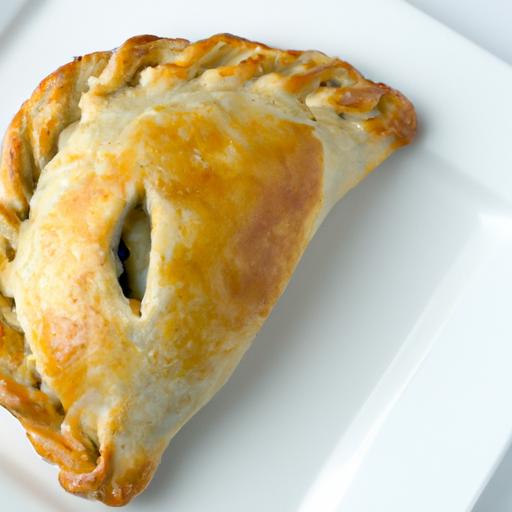
There’s something undeniably magical about the humble Cornish pasty – a warm, golden parcel of flaky pastry that has journeyed through centuries to become an iconic symbol of Cornwall’s culinary heritage. More than just a hearty meal, this savory delight tells a story of hardworking miners, coastal flavors, adn time-honored traditions wrapped neatly inside its crimped edges. In this article, we embark on a flavorful adventure to discover the best Cornish pasty, unraveling the secrets behind its perfect balance of filling, pastry, and authenticity. Whether you’re a seasoned pasty lover or a curious newcomer, prepare to taste your way through history and savor the very essence of this beloved British classic.
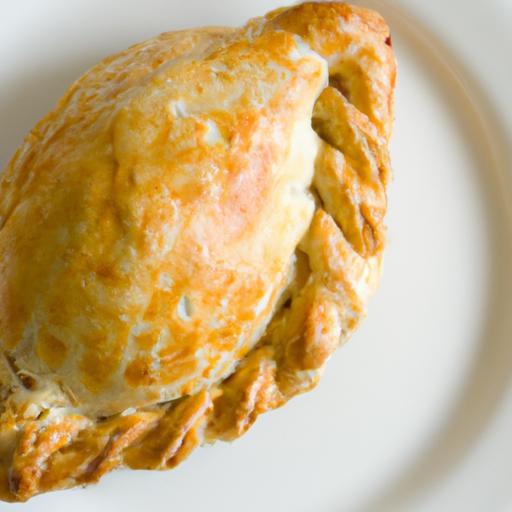
Discovering the best Cornish Pasty offers a delicious portal into one of England’s most treasured culinary gems. This hearty handheld pie, originating from Cornwall’s mining heritage, encapsulates simple, rustic flavors wrapped in a golden, flaky crust. I vividly recall biting into my first authentic pasty at a quaint bakery along Cornwall’s rugged coastline-its warm,comforting blend of tender meat,root vegetables,and buttery pastry instantly connected me with centuries of tradition. Beyond its folklore, the Cornish pasty boasts a proud story and diverse regional adaptations that continue to inspire bakers everywhere.
Prep and Cook Time
Planning: 30 minutes | Cooking: 50 minutes | Total Time: 1 hour 20 minutes
Yield
Makes 4 sizable pasties (perfect for a hearty meal or sharing)
Difficulty Level
medium – the art of shaping the pasty takes practice, but the rewarding flavor is worth the effort.
Essential Ingredients for an Authentic Cornish Pasty
- 2 cups all-purpose flour, sifted
- 8 tbsp cold unsalted butter, cubed (plus extra for brushing)
- 1/4 tsp salt
- 6-8 tbsp cold water
- 1 large potato, peeled and diced (preferably floury, like Maris Piper)
- 1 small swede (rutabaga), peeled and diced
- 1 small onion, finely chopped
- 200g (7 oz) beef skirt or chuck steak, finely diced
- Salt and freshly ground black pepper, to taste
- 1 egg yolk, beaten (for glazing)
Step-by-Step Instructions
- make the pastry: In a large bowl, rub the cold butter into the sifted flour and salt until the mixture resembles coarse breadcrumbs. slowly add cold water,a tablespoon at a time,mixing gently until a soft dough forms. Shape into a ball, wrap in cling film, and chill for at least 30 minutes.
- Prepare the filling: Combine the diced potato,swede,onion,and beef in a large bowl. Season generously with salt and black pepper, stirring gently to mix evenly.
- Roll out the dough: On a lightly floured surface, divide the dough into four equal pieces. Roll each piece into a circle roughly 8 inches in diameter,about 1/4 inch thick.
- Assemble the pasties: Place a generous mound of filling on one half of each pastry circle, leaving a 1-inch border. Brush the edge with cold water to seal and fold over the dough, creating a half-moon shape.
- Crimp the edges: Using your fingers, crimp the edges firmly to secure the filling. Conventional Cornish pasties often feature a distinctive crimp along one side-practice this technique for an authentic finish.
- Glaze and bake: Transfer pasties to a baking tray lined with parchment paper. Brush each pasty with the beaten egg yolk to ensure a lustrous, golden crust. Bake in a preheated oven at 200°C (400°F) for 45-50 minutes until the crust is crisp and deeply golden.
- Rest and serve: Allow the pasties to rest for 5 minutes before serving. This brief pause lets the juices settle and prevents burning on the first bite.
Tips for Success
- Flaky pastry magic: Keep your butter cold and handle the dough as little as possible to maintain a tender, flaky texture.
- Filling finesse: Dicing ingredients evenly helps ensure even cooking. For extra flavor, add a pinch of fresh thyme or parsley to the filling.
- Water edge seal: Wetting the edge before folding is key to preventing the pasty from leaking during baking.
- Make-ahead convenience: Assemble pasties up to the glazing step, then freeze on a tray before transferring to a zip-lock bag. Bake straight from frozen, adding 10 extra minutes to baking time.
- Regional variations: Explore substitutions such as lamb with mint for a twist from Devon,or add cheese for a cornish cream tea twist.
Serving Suggestions
Serve your Cornish pasty warm, nestled on a rustic wooden board alongside a dollop of tangy English mustard or a side of homemade chutney.A crisp green salad with a light vinaigrette balances the rich, flaky pastry, while a pint of traditional ale or sparkling cider complements the savory filling beautifully.Garnish with freshly chopped parsley for a burst of colour and freshness.

Nutritional Information (Per Pasty)
| calories | Protein | Carbohydrates | Fat |
|---|---|---|---|
| 450 kcal | 25 g | 40 g | 18 g |
Discovering the Best Cornish Pasty is more than just cooking; it’s an invitation to savor a centuries-old tradition that melds simple ingredients with soul-satisfying flavor. For a deeper dive into Cornwall’s culinary heritage and other classic British recipes, be sure to check out our Traditional British Bakes collection. For the rich cultural background, visit the Historic England website to understand more about Cornwall’s history linked to mining and pasty origins.
Q&A
Q&A: Discovering the Best Cornish Pasty – A Savory Tradition Unwrapped
Q1: What exactly is a Cornish pasty?
A1: Think of the Cornish pasty as a delicious, golden pocket of heritage. Originating from Cornwall, England, it’s a baked pastry traditionally filled with a hearty mix of beef, potatoes, swede (rutabaga), and onions.Folded into a distinctive “D” shape with a crimped edge, it was originally designed as a convenient, hand-held meal for miners – robust, filling, and perfect for dipping into the working day.
Q2: Why is the Cornish pasty considered so special?
A2: Beyond its comforting flavors, the Cornish pasty holds a Protected Geographical Indication (PGI) status, meaning only pasties made in Cornwall following certain traditional recipes can bear the name. This recognition preserves not only a recipe but a rich cultural tradition, celebrating Cornish identity and craftsmanship baked into every bite.
Q3: What makes the best Cornish pasty stand out from the rest?
A3: the best pasties strike a perfect harmony between flaky, buttery pastry and a savory, well-seasoned filling. The ingredients should be fresh and balanced – tender chunks of meat mingling with just the right amount of earthy swede and creamy potato, lifted by sweet onions. Simplicity is key; no overpowering spices, just honest flavors that tell a Cornish story.
Q4: Are there variations to the classic Cornish pasty?
A4: Absolutely! While the classic beef pasty reigns supreme, modern interpretations abound. From vegetarian varieties brimming with rich mushrooms and hearty vegetables, to inventive twists featuring cheeses or even seafood, the pasty evolves while respecting its roots. However, these innovations are typically labeled differently to honor the PGI guidelines.
Q5: How should one enjoy a Cornish pasty for the ultimate experience?
A5: Fresh from the oven, ideally warm enough to melt the filling but cool enough to handle, the pasty invites slow, appreciative bites. Pairing it with a simple salad or a cup of strong tea offers a perfect balance.and of course, taking a moment to savor not just the taste, but the history baked within, enriches every mouthful.
Q6: Where can someone find the best Cornish pasties today?
A6: Authentic pasties shine brightest when sourced from Cornwall itself – artisanal bakeries and family-run pasty shops hold the magic. That said, many bakeries across the UK and beyond honor the craft, often importing Cornish ingredients or following traditional recipes to bring a slice of Cornwall to your doorstep. Look for the PGI mark as your true guide.
Q7: Can making a Cornish pasty at home capture its authentic spirit?
A7: Homemade pasties can be a delightful project,offering a hands-on connection to this savory tradition. While perfecting the delicate pastry and balancing the filling takes practice, the charm lies in the process-folding the dough into that iconic crimp and infusing kitchen aromas with centuries of Cornish legacy.With patience and passion, you’ll unwrap a piece of history from your own oven.
unwrapping the best cornish pasty isn’t just about flavor – it’s a journey through Cornish culture, a pause to appreciate humble ingredients elevated by tradition. Whether devouring one in a seaside town or baking your own,each pasty is a warm,savory embrace of England’s historic southwest.
in summary
As the flaky layers of the Cornish pasty reveal their savory treasures, it becomes clear that this humble pastry is much more than a meal-it’s a delicious slice of heritage, wrapped in history and bursting with regional pride.Whether you favor the classic beef and potato or seek adventurous fillings inspired by modern twists, the best Cornish pasty invites you to savor a tradition that has been lovingly unwrapped for centuries. So next time you bite into this iconic delicacy, remember: you’re tasting not just a pastry, but a story shaped by community, craftsmanship, and the enduring spirit of Cornwall.